
Celery
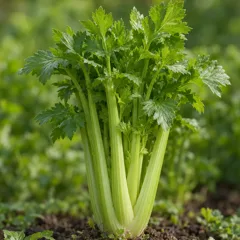
Celery is a slow, thirsty crop, but home-grown stalks have far more flavor than store-bought. It wants rich soil, cool weather, and water it never runs out of.
If your stalks come out stringy or hollow, the fix is almost always more water and more compost.
Recent community discussions
No one has talked about Celery yet. Be the first.
At a glance
| Plant type | Cool-season vegetable |
| Botanical name | Apium graveolens var. dulce |
| Annual or perennial | Biennial, grown as an annual |
| Sun | Full sun to part shade |
| Water | 1 to 2 inches per week, constantly moist |
| Spacing | 8 to 12 inches |
| Planting depth | Surface sow, barely covered |
| Days to germinate | 7 to 21 |
| Days to maturity | About 80 to 120 from transplant (130 to 140 from seed) |
| Best USDA zones | 2 to 10 as a seasonal crop |
| Soil pH | 6.0 to 7.0 |
From planting to harvest
Is it celery weather where you are? See everything to plant this month or read your zone notes.

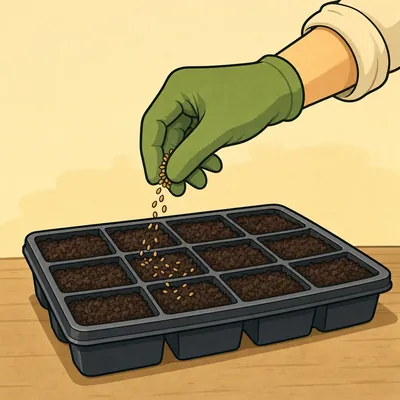
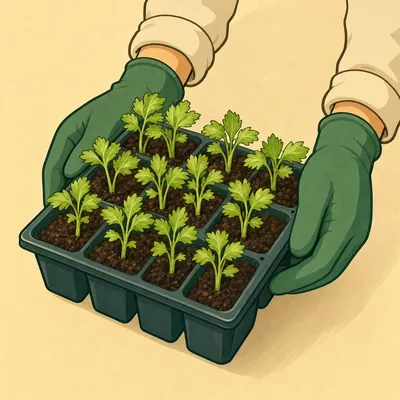
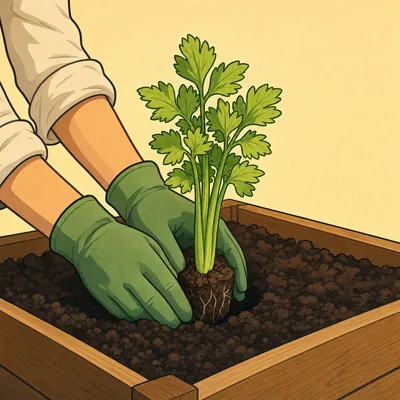
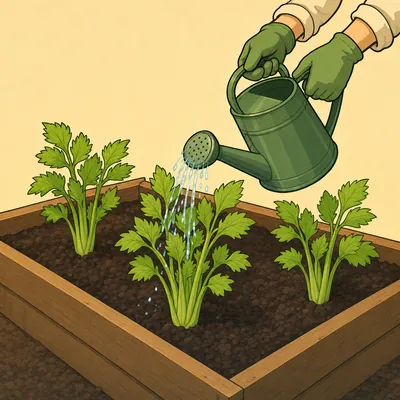
Start indoors 10–12 weeks before last frost. Transplant outdoors after danger of frost, when seedlings are 4–6 inches tall. In mild zones, fall sowing possible.

100–130 days.

Zones 5–9, late summer?early fall when stalks are full and crisp.

Rich, peaty or silty loam, pH 6.0–7.0. Demands high organic matter and constant water.
Pests to watch for









A little history
Wild celery grew in marshy ground around the Mediterranean and was used by the ancient Egyptians, Greeks, and Romans as a medicine and flavoring. In the 1600s, growers in Italy and France began turning it into the mild, thick-stalked vegetable we eat today.
When to sow in your zone
Spring (zones 2 to 10): Start indoors 10 to 12 weeks before your last frost. Your zone page on /zones/ has the frost dates, and counting back from last frost shows how to work out the sowing day. Transplant 1 to 2 weeks after the last frost, once nights stay above 50°F. A cold spell of a week or more can make young plants bolt later in the season. There's more on getting the seed going in Start Celery and Parsley Early.
Fall (zones 8 to 10): Start in late summer and grow through fall and winter, picking from late fall onward.
Growing it, step by step
From seed
Soak seed overnight, then sow on the surface and cover with a dusting of soil, as it needs light to sprout. Keep warm (70 to 75°F) and moist. Germination is slow, often two to three weeks.
Moving it outside
Harden off carefully and plant 8 to 12 inches apart in rich, moist soil.
Water
Never let celery dry out. Drip irrigation or soaker hoses work well.
Mulch
Mulch heavily to hold moisture and keep roots cool.
Feeding
Plant into soil rich in compost and feed every 2 to 3 weeks with a balanced fertilizer.
Keeping it happy
To blanch stalks for a milder taste, wrap them with cardboard or mound soil around them for the last 2 to 3 weeks. Self-blanching varieties skip this step. Keep weeds down, as celery hates competition.
Trouble in the bed
- Aphids: Spray off with water or use insecticidal soap.
- Slugs and snails: Hand-pick or use iron phosphate bait.
- Celery leaf miner: Remove affected leaves and use row cover.
- Black heart: Calcium problem from uneven watering. Water evenly.
- Late blight (Septoria leaf spot): Small yellow spots that turn brown on leaves and stalks. The fungus can travel on seed, so start with fresh seed from a good source, water at the base, and rotate crops. It isn't the same disease as tomato and potato late blight.
- Fusarium yellows: A soil fungus that yellows and stunts plants, worst in warm summer soil. Pull affected plants, keep them out of the compost, and grow celery somewhere else for a few years.
Good neighbors

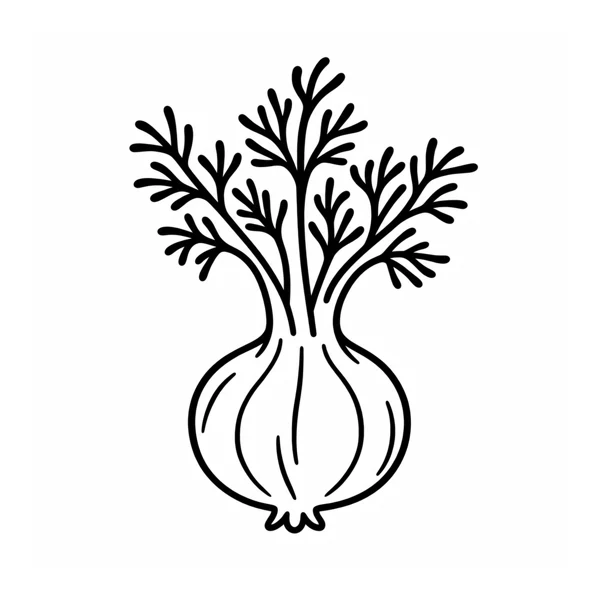




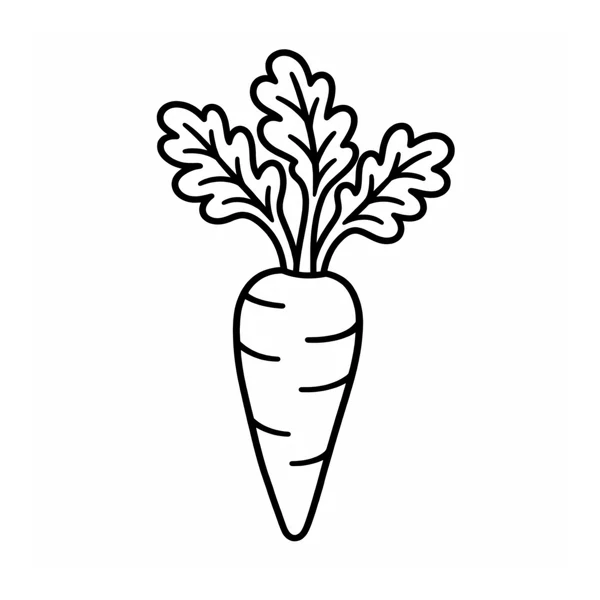
Good: Leeks, onions, tomatoes, cabbage family, and beans.
Avoid: Carrots, parsnips, and their close cousins dill, fennel, and parsley. They're all in the same family and share its pests, such as carrot rust fly and leaf miners.
Seeds that grow well in your area in November
Affiliate links — shopping through these helps keep Evening Vines free. Common Milkweed
 PansySeeds
 PhloxSeeds
 Royal Mix
Varieties worth growing
- Tango: Tender, low-string, and bolt resistant.
- Utah Tall: Classic thick green stalks.
- Conquistador: A quicker Utah type that copes with heat and is slow to bolt.
- Giant Pascal: Old-time tall green celery, good for blanching.
- Golden Self-Blanching: Pale, mild, no wrapping needed.
- Redventure: Red-tinged stalks with a stronger flavor than store celery, lovely in soups and stews.
- Cutting celery (Par-Cel): Leafy and easy, grown for flavoring.
Celery seeds to buy
Affiliate links — shopping through these helps keep Evening Vines free.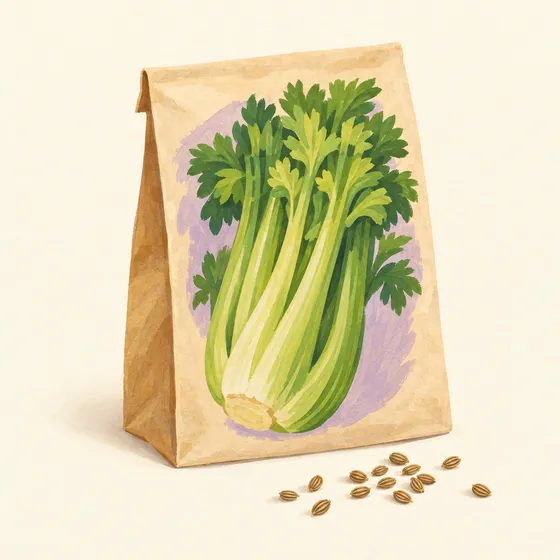 Tall Utah
Picking notes
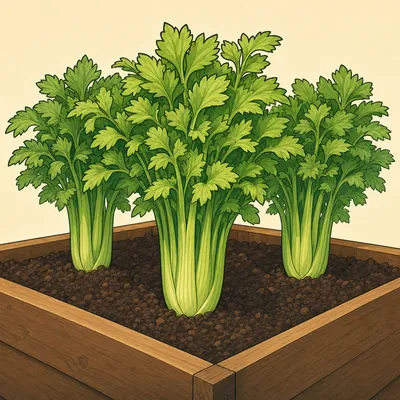
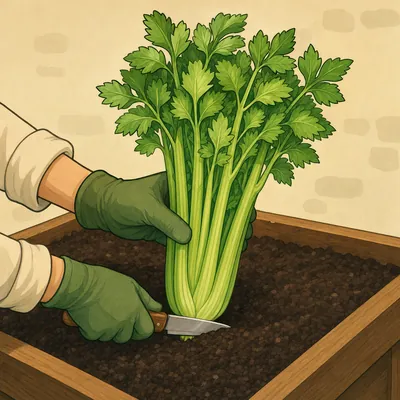
Pick outer stalks as needed once they are 8 inches tall, or cut the whole plant at the base when it is full size. Celery tolerates a light frost.
Saving seed for next year
Celery flowers in its second year. Overwinter plants in mild zones and collect the seed heads once they turn brown.
From garden to table
Celery is about 95 percent water and gives you vitamin K, potassium, and a little fiber. Use it raw, in soups and stocks, or juiced. The leaves are a great herb.
Questions from the potting bench
Why are my stalks hollow? The plant ran short of water, sat through a hot spell, or was left in the ground too long. Water deeply and evenly, keep the mulch thick, and pick stalks while they're still crisp.
Why are the hearts turning black? That's black heart. The young center leaves can't get enough calcium when watering swings between dry and soaked. Steady watering usually stops it.
Why did my celery bolt? Young plants spent a week or more below about 50 to 55°F, often right after planting out. Wait for settled weather, or cover them on cold nights.
Can I regrow celery from the base? Yes, a base in water will regrow leaves, but it won't make a full new plant of thick stalks.
Grower reports
How did Celery do in your garden? Members rate it and say which zone and month they planted, so everyone can see what works near them.
Recent community discussions
No one has talked about Celery yet. Be the first.
Seeds to try
Affiliate links — shopping through these helps keep Evening Vines free.Essentials for Growing Celery
 Grow Bags
Breathable fabric pots: grow almost anything on a patio, balcony or driveway, and roots never circle.
See it →
 Frost Cloth
Throw it over young plants on cold spring and fall nights.
See it →
 Seed Starting Tray
Reusable tray with a clear dome to give seeds a warm, humid start indoors.
See it →
 Watering Can
Long-spout can for gentle watering of seedlings and pots.
See it →
 Plant Labels
Waterproof markers so you know what's coming up where.
See it →
 Organic Fertilizer
Slow-release organic plant food for vegetable beds and containers.
See it →
