
Ginger
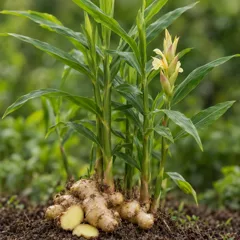
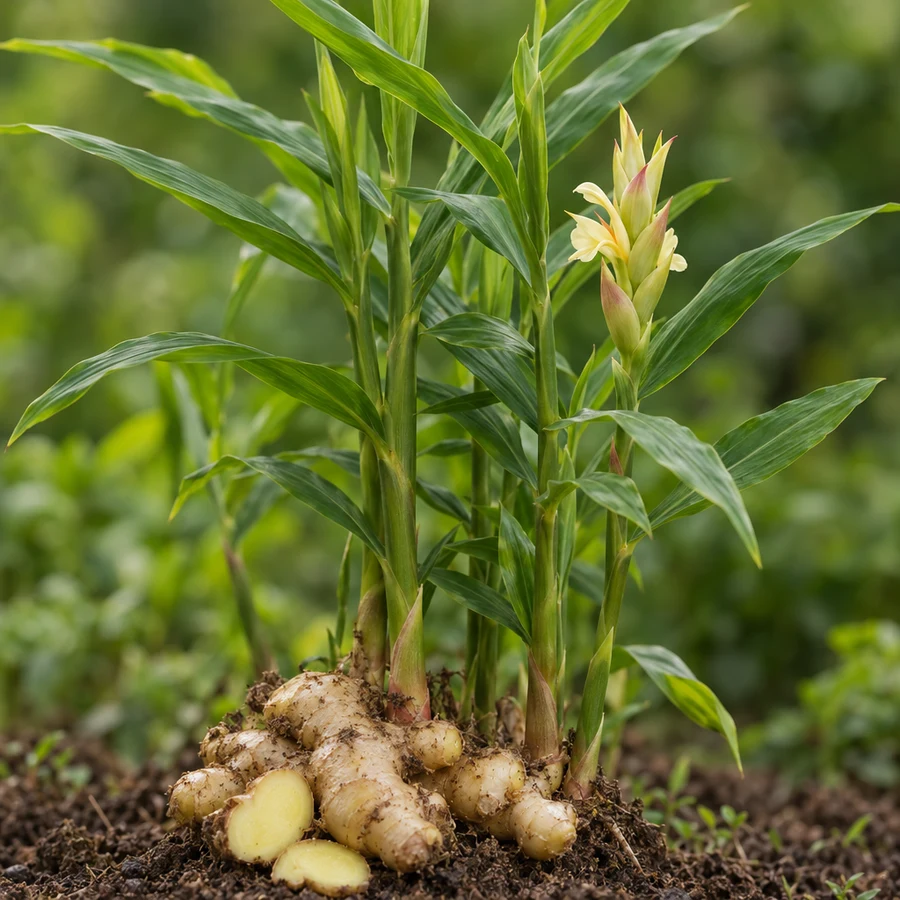
Ginger is a leafy tropical plant that grows 2 to 4 feet tall from a fat underground stem called a rhizome. The rhizome is the part we eat. It's spicy, warm, and aromatic, and it grows well in pots, which makes it a fun project for gardeners in cooler zones.
Home-grown ginger is fresher and juicier than store ginger. You can pick tender "baby" ginger after a few months, or wait for full-size roots. A single piece from the grocery store can turn into a whole clump if you give it warmth and patience.
Recent community discussions
No one has talked about Ginger yet. Be the first.
At a glance
| Plant type | Tropical rhizome (spice and medicinal herb) |
| Botanical name | Zingiber officinale |
| Annual or perennial | Perennial in warm climates; grown as an annual or in containers elsewhere |
| Sun | Part shade in hot climates; more sun is fine where summers are mild |
| Water | Regular; keep moist but never soggy |
| Spacing | 8 to 12 inches |
| Planting depth | 1 to 2 inches |
| Days to sprout | 2 to 8 weeks |
| Days to maturity | 4 to 6 months for baby ginger; 8 to 10 months for mature ginger |
| Best USDA zones | 9 to 11 outdoors; containers or a greenhouse elsewhere |
| Soil pH | Slightly acid to neutral, about 5.5 to 7 (6 to 6.5 is ideal) |
Is it ginger weather where you are? See everything to plant this month or read your zone notes.

Plant rhizomes in spring after soil warms to 70°F (21°C). In cooler zones, start indoors in pots 6–8 weeks before transplanting outside.

8–10 months; harvest when leaves yellow.

Zones 8–11, fall?early winter once leaves yellow and dry; 8–10 months after planting; container grown indoors in cooler zones.

Rich, moist silty loam, pH 5.5–6.5. Prefers high organic matter and consistent watering.
Pests to watch for


Diseases

A little history
Ginger comes from tropical Southeast Asia and has been grown in India and China for thousands of years. Traders carried it along the spice routes to the Mediterranean, where it became one of the most valued spices. Today it's grown in tropical regions around the world.
When to sow in your zone
Spring: In zones 9 to 11, plant rhizomes outdoors once nights stay above 55°F and the soil is warm. In cooler zones, start pieces in pots indoors 8 to 10 weeks before your last frost, then move them outside once frost danger has passed and the nights have warmed up. Ginger can take a long while to show its first shoot, so that early start matters.
Fall: Fall is harvest time for most gardeners. In frost-free parts of zones 10 and 11 you can plant in early fall, but growth slows as it cools. In cooler zones, dig your crop or bring pots indoors before the first frost.
Growing it, step by step
Waking the rhizomes
Choose plump, firm rhizomes with small bumps (eye buds) at the tips. Organic ginger works best, since some store ginger is treated to stop sprouting. Soak the piece overnight, cut it into 1 to 2 inch sections with at least one or two eyes each, and let the cut ends dry for a day. Plant them 1 to 2 inches deep, buds up, in loose, rich soil kept at 70 to 85°F.
Moving them up
Be patient here. Ginger grows roots before it sends up a shoot, so the first green tip can take anywhere from 2 to 8 weeks. Once shoots are 4 to 6 inches tall, move them to a larger pot or into the garden. Use a wide, shallow container at least 12 inches across, since the rhizomes spread sideways.
Damp, never drowned
Keep the soil evenly moist, like a wrung-out sponge. Water more in warm weather, but make sure pots drain freely. Soggy soil leads to rot, so ease up when growth slows in cool weather. Pots dry out fast in summer heat; our notes on watering containers in summer apply to ginger too.
A blanket of mulch
Spread 2 to 3 inches of leaf mold, straw, or shredded bark. It keeps the soil moist and warm and shades the shallow rhizomes.
Feeding a hungry plant
Ginger is a heavy feeder. Mix compost into the soil at planting, then feed every 4 to 6 weeks with a balanced fertilizer. Stop feeding when the leaves start to yellow late in the season.
Keeping it happy
In hot climates, give ginger afternoon shade; where summers are cool and short, it can take more sun. Shelter it from strong wind and keep the air reasonably humid. Pull weeds by hand, because tools can damage the shallow rhizomes, and hill a little compost over any rhizomes that push above the soil. In cooler zones, a pot is the easy way to go: it lets you start early indoors and carry the plant back in before temperatures drop below 50°F. Leaves die back as the plant rests, which is normal.
Trouble in the bed
- Rhizome rot: Caused by cold, soggy soil. Use well-drained mix, never overwater, and throw out any soft, smelly pieces. More on our root rot page.
- Bacterial wilt: Leaves yellow and wilt suddenly. Remove infected plants, don't replant ginger in that spot, and start with clean, healthy rhizomes. See bacterial wilt.
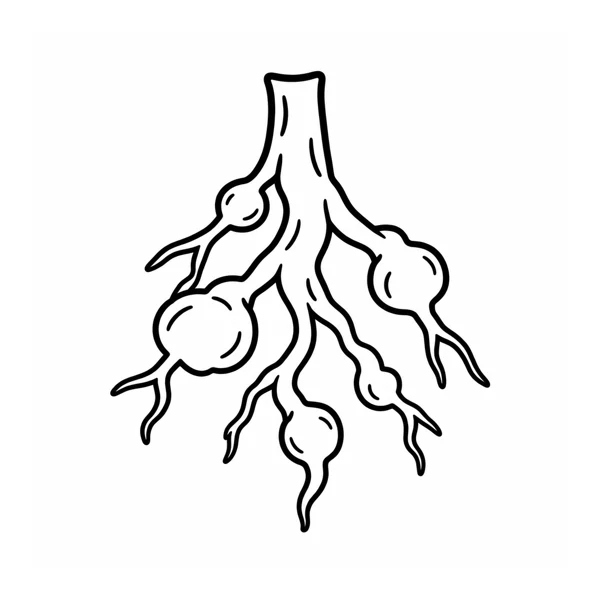
- Root-knot nematodes: These tiny worms cause knotted roots. Rotate crops and use fresh potting mix in containers.
- Spider mites: Common indoors in dry air. Rinse the leaves and raise humidity.
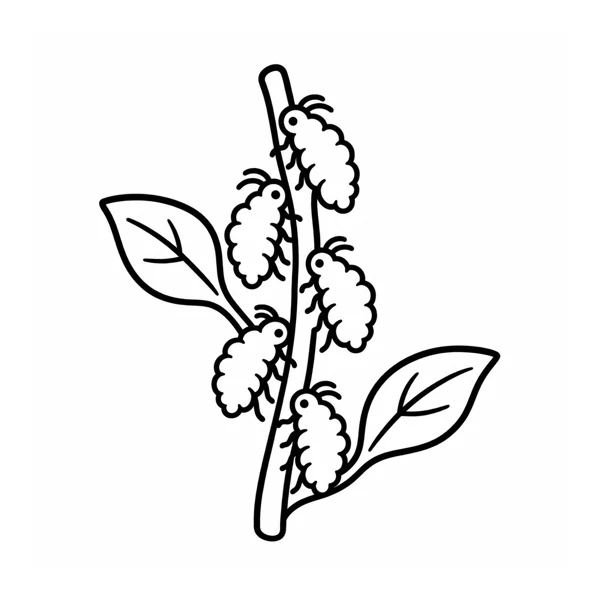
- Aphids, scale, and mealybugs: Small sap-suckers that now and then turn up on ginger, most often on potted plants that spend the winter indoors. Check under the leaves and around the stem bases, wipe or rinse them off, and use insecticidal soap if they keep coming back.
Good neighbors



Ginger is happiest next to plants that like the same warm, damp, half-shaded spot. Its cousin turmeric is the natural partner, in the same bed or a pot alongside. In warm zones, the dappled shade under taller plants such as bananas suits it well. Keep it away from hot, all-day sun and heavy clay that stays wet, which rots the rhizomes.
Seeds that grow well in your area in November
Affiliate links — shopping through these helps keep Evening Vines free. Purple Coneflower
 Stinging Nettle
 Smooth Blue Aster
 Polka Dot Mix
Varieties worth growing
Ginger is mostly sold as plain "ginger root" rather than under named cultivars, and the names growers use aren't consistent, so go by the seller's description. Every type here is planted from a rhizome ("seed pieces"), not from a seed packet.
- Yellow ginger: The familiar kitchen ginger, with pale yellow, spicy flesh. Often sold as Hawaiian yellow.
- Chinese ginger: A name used for plump, mild, pale-fleshed kitchen ginger. The label means different things to different sellers.
- Hawaiian blue ring ginger: A culinary type whose flesh shows a faint blue ring when you cut it. The color is natural and harmless.
- Myoga (Zingiber mioga): A hardier relative grown for its edible flower buds, for zones 7 to 9 with winter mulch.
- Turmeric (Curcuma longa): A relative in the same family, grown the same way.
Two things you'll see that aren't varieties: "baby ginger" is simply ginger dug young, and the showy red ginger, shell ginger, and white butterfly ginger sold for gardens are ornamental relatives, not the kitchen spice.
Picking notes
For baby ginger, dig after 4 to 6 months. The skin is thin and pink-tipped and needs no peeling. For mature ginger, wait until the stems yellow and fall over, around 8 to 10 months. Dig gently with a fork and set aside a few good pieces for replanting.
Saving seed for next year
Ginger rarely flowers or sets seed in gardens, so "saving seed" here means keeping some of the harvest to plant again. Choose firm, plump pieces with several healthy eyes, let them dry off for a day or two, and store them somewhere cool and dry (not the fridge) until spring. Each piece you plant needs at least one good eye.
From garden to table
Ginger is used fresh, dried, pickled, and candied, and in teas, stir-fries, baking, and drinks. It has a long tradition for settling the stomach. In normal food amounts it's safe for most people. If you take blood thinners or have gallstones, ask a health professional before using large amounts.
Questions from the potting bench
That knobbly piece in my fruit bowl has started to sprout. Is it worth planting? Yes. Plump pieces with eye buds grow well, and organic ones are the safest bet. Soak it overnight and plant it in warm, moist soil.
Why won't my ginger sprout? It may be too cold or too wet, or it may just need more time: shoots can take up to 8 weeks. Keep it at 70 to 85°F and avoid soggy soil.
How do I store it? Mature ginger keeps well in a cool, dry place. Baby ginger has thin skin, so use it or refrigerate it soon after digging.
Grower reports
How did Ginger do in your garden? Members rate it and say which zone and month they planted, so everyone can see what works near them.
Recent community discussions
No one has talked about Ginger yet. Be the first.
Essentials for Growing Ginger
 Grow Bags
Breathable fabric pots: grow almost anything on a patio, balcony or driveway, and roots never circle.
See it →
 Organic Fertilizer
Slow-release organic plant food for vegetable beds and containers.
See it →
 Pruning Shears
Sharp bypass pruners for harvesting, deadheading and tidying.
See it →
 Insect Netting
Fine mesh that keeps cabbage worms, flea beetles and birds off your crops, no sprays needed.
See it →
 Soaker Hose
Waters the roots slowly, not the leaves: less disease, less water, less work.
See it →
 Garden Hand Tools
Trowel, transplanter and cultivator: the three tools you reach for most.
See it →
