
Lemon Balm
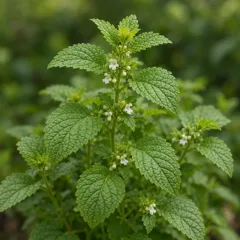
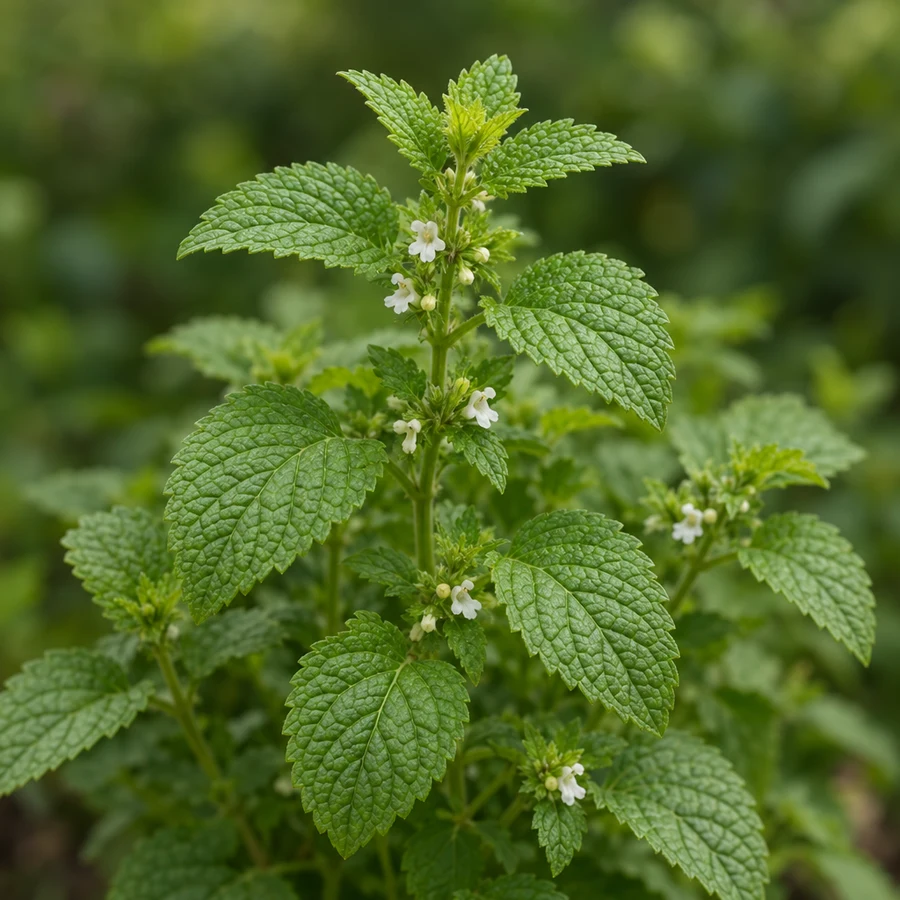
Lemon balm is an easy mint-family herb with a bright lemon scent. It's lovely for tea and bees, but it reseeds freely, so cut it back before it sets seed.
Lemon balm makes an herbal tea; true tea comes from the tea plant, Camellia sinensis.
Recent community discussions
No one has talked about Lemon Balm yet. Be the first.
At a glance
| Plant type | Herb |
| Botanical name | Melissa officinalis |
| Annual or perennial | Perennial |
| Sun | Full sun to part shade (afternoon shade in hot areas) |
| Water | Moderate |
| Spacing | 18 to 24 inches |
| Planting depth | Surface (seed needs light) |
| Days to germinate | 7 to 14 |
| Days to maturity | 70 to 90 |
| Best USDA zones | 4 to 9 |
| Soil pH | 6.0 to 7.5 |
Is it lemon balm weather where you are? See everything to plant this month or read your zone notes.

Direct sow outdoors after last frost, or start indoors 6–8 weeks before last frost. Self-seeds readily once established.

Germinates in 7–14 days; 70–90 days; perennial.

Zones 4–9, May?September; in mild zones September?November; indoors year-round.

Fertile, moisture-retentive loam, pH 6.0–7.5. Thrives in compost-enriched soils.
Pests to watch for






A little history
Lemon balm is native to southern Europe, the Middle East, and Central Asia. Its genus name, Melissa, comes from the Greek word for honeybee, and Roman writers described rubbing the leaves on new hives to welcome a swarm. By the Middle Ages it was a familiar herb in European gardens, monastery gardens among them.
When to sow in your zone
Spring: Start indoors 6 to 8 weeks before the last frost, or sow outdoors once frost has passed.
Fall: In zones 7 to 9, plant starts or divisions in early fall.
When to plant lemon balm in your zone
Lemon balm is happiest in zones 4 to 9. In the colder end (zone 4, zone 5, zone 6), start seed indoors in late winter and set plants out once your last frost has passed. In zone 7, zone 8 and zone 9, you get a second chance in early fall, while the soil is still warm. Not sure of your zone or frost date? Look it up on the zones page, then count back from your last frost to find your sowing day.
Growing it, step by step
From a pinch of seed
Press seed onto the surface and keep moist at 65 to 70°F.
Setting plants out
Plant out after the last frost, 18 to 24 inches apart.
Water while it's young
Keep moist while young; established plants tolerate some dryness.
A cool root run
Mulch to keep roots cool in summer.
Go easy on the feed
A little compost in spring is plenty. Rich feeding tends to give soft, leafy growth with less scent.
Keeping it happy
Cut back by half before flowering, and again midsummer, for fresh, flavorful leaves and to stop reseeding. Unlike mint it doesn't run, but its seedlings pop up everywhere. Divide crowded clumps every few years, in spring or fall.
Trouble in the bed
- Powdery mildew: Thin plants and water at the base.
- Gray mold: Shows up in damp, crowded clumps. Give plants air and snip off moldy stems.
- Aphids and whiteflies: Rinse off or use insecticidal soap.
- Spider mites: Keep plants watered in heat.
- Root rot: Avoid soggy soil.
Good neighbors





Good: Alyssum, lettuce, spinach, kale, broccoli, cabbage, and nasturtiums. Its small white flowers bring bees and other helpful insects into the bed.
Avoid: Small, delicate herbs it can shade out.
Seeds that grow well in your area in November
Affiliate links — shopping through these helps keep Evening Vines free. Black-Eyed SusanSeeds
 ColumbineSeeds
 Moonbeam
 Foxglove Mix
Varieties worth growing
- Common lemon balm: The standard green type.
- Aurea: Gold-splashed leaves.
- All Gold: Bright yellow leaves; give it some shade.
- Mandarina: Leaves with a tangerine twist to the lemon scent.
- Citronella: A seed strain sold for an extra-strong lemon scent.
- Quedlinburger Niederliegende: A low, spreading German strain bred for high oil content.
Lemon Balm seeds to buy
Affiliate links — shopping through these helps keep Evening Vines free.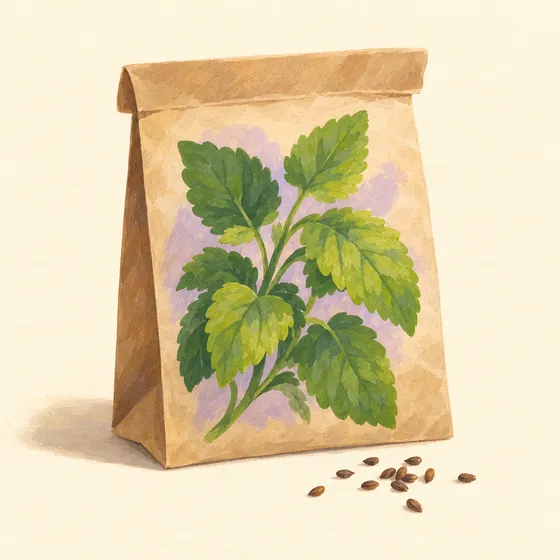 Lemon BalmSeeds
Picking notes
Snip stems any time once plants are 6 to 8 inches tall. In most zones you can pick from late spring to early fall; where winters are mild, picking carries on into late fall. Flavor is best just before flowering. The leaves are at their best fresh, because dried leaves lose much of their scent. If you do dry some, dry them quickly in shade so they don't blacken.
Saving seed for next year
Let a few flower stems dry, then shake out the seed. Store cool and dry.
From garden to table
Use it in teas, iced drinks, fruit salads, pesto, and fish dishes. It has long been used as a calming tea. Check with a health professional before using it medicinally, especially if you take thyroid medication.
Questions from the potting bench
Will lemon balm spread like mint? Not by runners, but it self-sows heavily. Cut it before seed sets.
Why did my plant lose its scent? It's probably flowering, or it may have had too rich a feed. Cut it back and go easy on fertilizer.
Can it grow in pots? Yes, and that keeps it tidy.
Grower reports
How did Lemon Balm do in your garden? Members rate it and say which zone and month they planted, so everyone can see what works near them.
Recent community discussions
No one has talked about Lemon Balm yet. Be the first.
Seeds to try
Affiliate links — shopping through these helps keep Evening Vines free.Essentials for Growing Lemon Balm
 Grow Bags
Breathable fabric pots: grow almost anything on a patio, balcony or driveway, and roots never circle.
See it →
 Seed Starting Tray
Reusable tray with a clear dome to give seeds a warm, humid start indoors.
See it →
 LED Grow Light
Full-spectrum light for sturdy seedlings through short winter days.
See it →
 Pruning Shears
Sharp bypass pruners for harvesting, deadheading and tidying.
See it →
 Watering Can
Long-spout can for gentle watering of seedlings and pots.
See it →
 Organic Fertilizer
Slow-release organic plant food for vegetable beds and containers.
See it →
