
Mustard
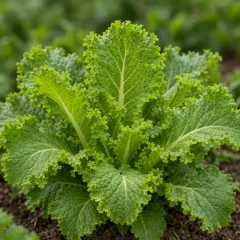
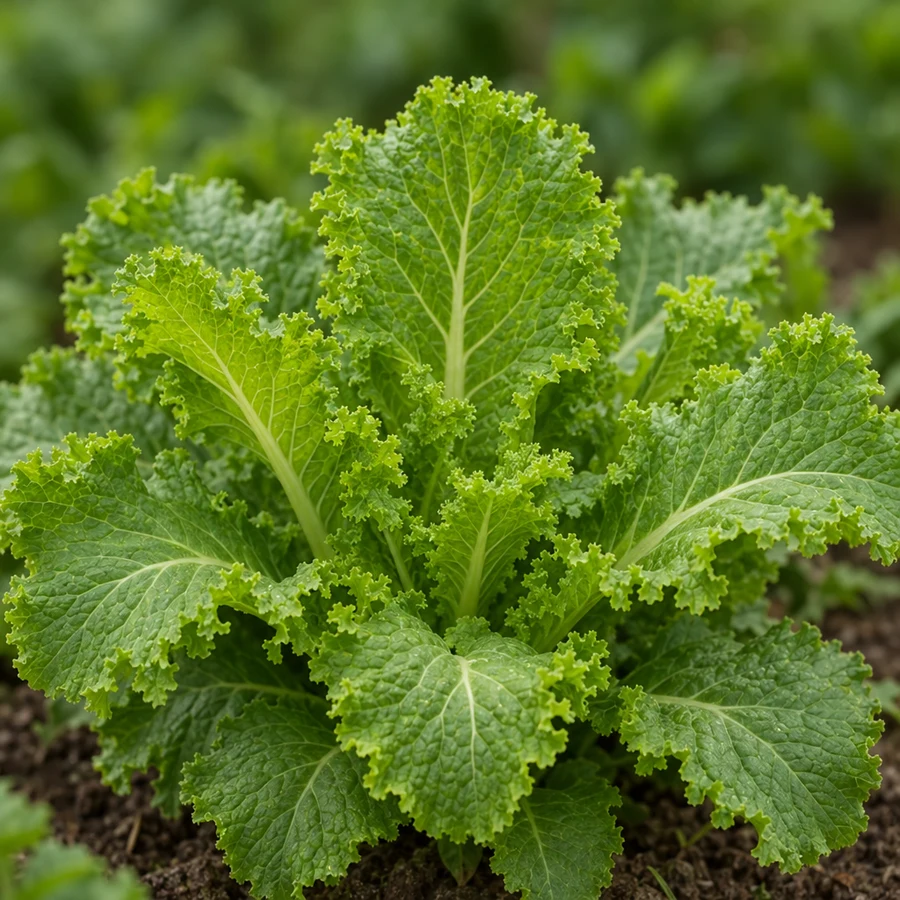
Mustard greens are fast, peppery leaves for salads and cooked dishes. They like cool weather and bolt quickly in heat.
Recent community discussions
No one has talked about Mustard yet. Be the first.
At a glance
| Plant type | Leafy vegetable |
| Botanical name | Brassica juncea |
| Annual or perennial | Annual (cool season) |
| Sun | Full sun to part shade |
| Water | Regular, even moisture |
| Spacing | 4 to 6 inches |
| Planting depth | 1/4 to 1/2 inch |
| Days to germinate | 3 to 7 |
| Days to maturity | 21 to 45 |
| Best USDA zones | 2 to 11 (cool-season crop) |
| Soil pH | 6.0 to 7.5 |
Is it mustard weather where you are? See everything to plant this month or read your zone notes.

Direct sow 4–6 weeks before last frost for spring crop. Sow again in late summer for fall harvest. In warm Zones (8–10), can be grown through winter.

Greens 30–40 days; seeds 90–100 days.

Zones 4–10, greens in early spring or fall; seeds mid?late summer.

Adaptable but best in moist silty loam or sandy loam, pH 5.5–7.5.
Pests to watch for






A little history
Mustard greens were domesticated in Asia and have been grown for thousands of years. They're a staple green in Asian, African, and Southern US cooking.
When to sow in your zone
Spring: Sow 4 weeks before the last frost, and again every 2 weeks until the weather warms.
Fall: Sow 6 to 8 weeks before the first frost. In zones 8 to 11, fall and winter are the main season.
Growing it, step by step
From seed
Sow 1/4 to 1/2 inch deep, then thin seedlings to 4 to 6 inches apart.
Moving it outside
Direct sowing works best. If you transplant, move seedlings while small.
Water
Keep the soil evenly moist for tender, milder leaves.
Mulch
Use a thin layer of straw to keep roots cool.
Feeding
Mix compost in before sowing. Add a nitrogen fertilizer after 3 weeks if growth slows.
Keeping it happy
Use shade cloth in warm spells and row cover against pests. Rotate crops, and don't follow other cabbage-family crops in the same bed.
Trouble in the bed
- Flea beetles: Cover with floating row cover.
- Cabbage worms: Hand-pick them.
- Aphids: Spray off with water or use insecticidal soap.
Good neighbors




Good: Onions, beets, lettuce, and celery.
Avoid: Other cabbage-family crops in the same bed, since they share pests.
Seeds that grow well in your area in November
Affiliate links — shopping through these helps keep Evening Vines free. Smooth Blue Aster
 Polka Dot Mix
 Black-Eyed SusanSeeds
 ColumbineSeeds
Varieties worth growing
- Southern Giant Curled: Frilly leaves, a Southern classic.
- Red Giant: Purple-red leaves with strong spice.
- Florida Broadleaf: Wide leaves, good in warm areas. Seeds
- Green Wave: Frilly, bright green leaves, slow to bolt.
Mustard seeds to buy
Affiliate links — shopping through these helps keep Evening Vines free.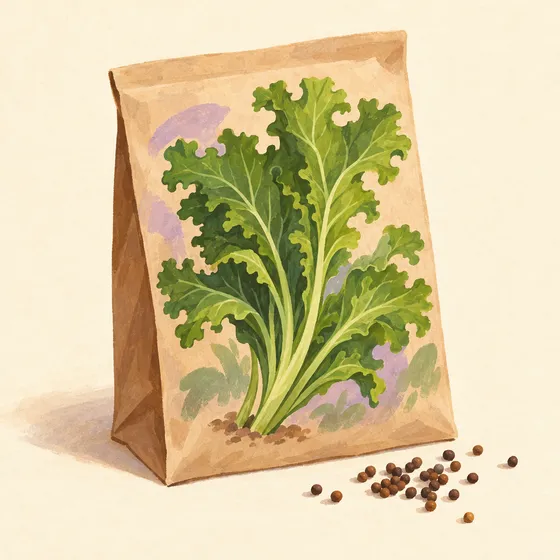 Mustard GreensSeeds
Picking notes
Pick baby leaves at 3 to 4 weeks. On larger plants, cut the outer leaves and let the center keep growing. Pick before flower stalks appear.
Saving seed for next year
Let a few plants bolt and set pods. Harvest when the pods are brown and dry, then thresh and store cool and dry. Varieties of Brassica juncea cross with each other, so grow only one for seed.
From garden to table
Mustard greens are high in vitamins A, C, and K. Eat young leaves raw, or sauté, braise, or pickle mature ones.
Questions from the potting bench
Why are the leaves so hot? Heat and age. Harvest them young.
Can I grow them in pots? Yes.
Why did it bolt? Warm weather or long days.
Grower reports
How did Mustard do in your garden? Members rate it and say which zone and month they planted, so everyone can see what works near them.
Recent community discussions
No one has talked about Mustard yet. Be the first.
Seeds to try
Affiliate links — shopping through these helps keep Evening Vines free.Essentials for Growing Mustard
 Grow Bags
Breathable fabric pots: grow almost anything on a patio, balcony or driveway, and roots never circle.
See it →
 Seed Starting Tray
Reusable tray with a clear dome to give seeds a warm, humid start indoors.
See it →
 Garden Hand Tools
Trowel, transplanter and cultivator: the three tools you reach for most.
See it →
 Organic Fertilizer
Slow-release organic plant food for vegetable beds and containers.
See it →
 Watering Can
Long-spout can for gentle watering of seedlings and pots.
See it →
 Pruning Shears
Sharp bypass pruners for harvesting, deadheading and tidying.
See it →
