
Roots
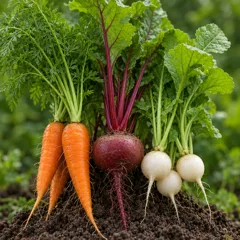
This page is our root crop hub: one place to see how the underground crops in the garden journal compare, and where to go for each one.
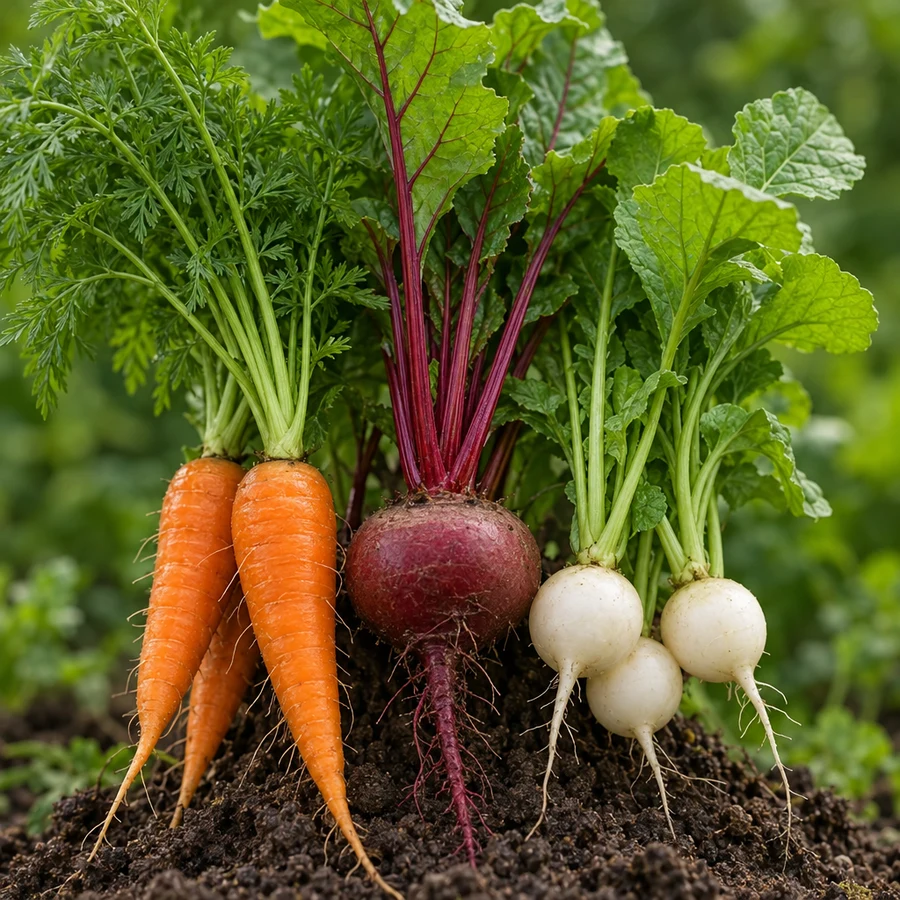
What counts? A true root crop is one where the part you eat is the plant's swollen root. Carrots, beets, turnips, radishes, parsnips and rutabagas grow one thick taproot each. Sweet potatoes are different again: they make tuberous roots, several swollen roots hanging off one plant.
Two crops people often lump in here aren't roots at all. A potato is a tuber, which is a swollen underground stem (that's why it has "eyes", which are buds). Onions and garlic are bulbs, a short stem wrapped in fleshy leaf bases. They have their own pages: Potatoes, Onions and Garlic.
Each root crop has its own full page with its varieties, so start there when you're choosing seed:
To see when carrots, beets, turnips and radishes go in where you live, open your zone on the zones page (for example zone 5 or zone 7). Each zone hub lists the month-by-month timing for your frost dates.
Recent community discussions
No one has talked about Roots yet. Be the first.
At a glance
| Category | Vegetables |
| Covers | Carrots, beets, turnips, radishes, parsnips, sweet potatoes |
| Sun | At least 6 hours a day |
| Soil | Loose, deep, well drained, pH 6.0 to 7.0 |
| How to start | Sow seed straight in the bed (sweet potatoes from slips) |
| Harvest Month | Late spring to early winter, depending on the crop (see Harvesting) |
| Crop | Years |
| Parsnips | 1 (buy or save fresh every year) |
| Carrots | 3 |
| Beets | 4 |
| Turnip | 4 |
| Radishes | 4 to 5 |
Is it roots weather where you are? See everything to plant this month or read your zone notes.

Sow in early spring as soon as soil can be worked; repeat in late summer for fall harvest. In warm zones, sow year-round.

Carrots 70–80 days; Beets 50–70; Turnips 30–60; Radishes 3–6 weeks; Sweet Potatoes 90–150.

Zones 3–9, harvest time varies by type: Carrots (late spring?early summer), Beets (late summer?fall), Turnips (early?late fall), Radishes (spring/early fall), Sweet Potatoes (late summer?fall).

Require deep, friable sandy loam or silty soils, pH 6.0–7.0. Avoid compacted or rocky soils.
Pests to watch for

Diseases
Mateo is researching the diseases that affect this plant.
When to sow in your zone
Root crops hate being moved, so nearly all of them are sown right where they'll grow. Timing is counted from your average last spring frost (the count back from last frost post shows how).
| Crop | Spring sowing | Coolest soil for sprouting | Second sowing | |---|---|---|---| | Radishes | Up to 6 weeks before last frost, then every 2 weeks | Cool soil is fine | Late summer for fall; winter radishes in midsummer | | Turnip | About 6 weeks before last frost | Sprouts at 40°F | Late summer for a fall crop | | Carrots | 2 to 3 weeks before last frost | 45°F, faster above 50°F | Midsummer for a fall crop | | Beets | 2 to 3 weeks before last frost | Cool soil, faster once it warms | Midsummer for a fall crop | | Parsnips | 2 to 3 weeks before last frost, with fresh seed | Slow in cold soil; can take 3 weeks or more | None; one long season | | Sweet Potatoes | Slips go out after last frost, once the soil is warm | Needs warm soil | None |
For a fall sowing, count backward from your first fall frost: the days to maturity on the packet, plus about two extra weeks, because growth slows as days shorten and cool down. The start your fall garden in July post walks through it.
Step-by-step sowing notes for single crops: sow carrots in early spring, sow beets in spring, sow radishes in spring and plant sweet potato slips.
Growing it, step by step
Dig deep and loose. A carrot or parsnip pushes a long taproot straight down. Stones, clods and hard clay make roots fork, split or stay stubby. Loosen the bed a spade's depth or more, pick out stones, and work in compost rather than fresh manure. If your ground is heavy, a raised bed full of loose soil makes life much easier (build a raised bed in spring). Check the soil isn't sticky-wet before you sow with the squeeze test.
Go easy on nitrogen. Lots of nitrogen gives you a jungle of leaves and small roots. A modest helping of compost at sowing is usually plenty.
Sow thin, then thin again. Small seeds like carrots and parsnips are easy to sow too thickly. Once seedlings are up, thin them to the spacing on the packet, because crowded roots stay small and twisted. Beet "seeds" are really clusters, so several seedlings come up from each one and need thinning too. See thinning seedlings.
Keep the top of the soil damp until they're up. Carrot and parsnip seed is sown shallow and dries out fast. A light daily sprinkle, or a board or old sack laid over the row until the first green shows, keeps them going.
Sun. At least 6 hours a day. Radishes and beets will put up with a little afternoon shade.
Temperature. These are cool-weather crops. Hot soil gives paler, tougher, stronger-tasting roots, which is why most of them go in early in spring or late in summer. Sweet potatoes are the exception: they want heat and a long, warm summer.
Keeping it happy
Water evenly. Steady moisture gives smooth, sweet roots. Long dry spells followed by a soaking can make carrots, radishes and beets split. Water deeply at the base of the plants once or twice a week rather than a little every day (watering deeply).
Weed early and gently. Carrot and parsnip seedlings are tiny and slow, and weeds swamp them quickly. Pull weeds by hand near the rows while they're small, and keep the hoe shallow so you don't nick the young crop.
Mulch once they're growing. A thin layer of straw or shredded leaves between rows keeps the soil cool and damp and smothers weeds.
Cover the shoulders. If carrot tops push up into the light they turn green and bitter. Pull a little soil or mulch over any that show.
Notes from the bed:
- Sow a short row every couple of weeks in spring instead of one long row, and you won't drown in radishes all at once.
- Write the sowing date on the row label. Parsnips can take weeks to show and it's easy to give up on them too soon.
- Fall-sown carrots and parsnips often taste sweeter after a few frosts. See leave root crops in the ground.
Trouble in the bed
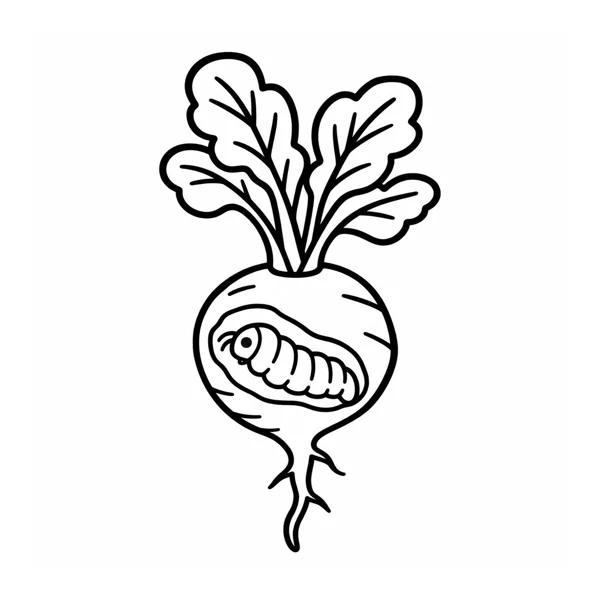
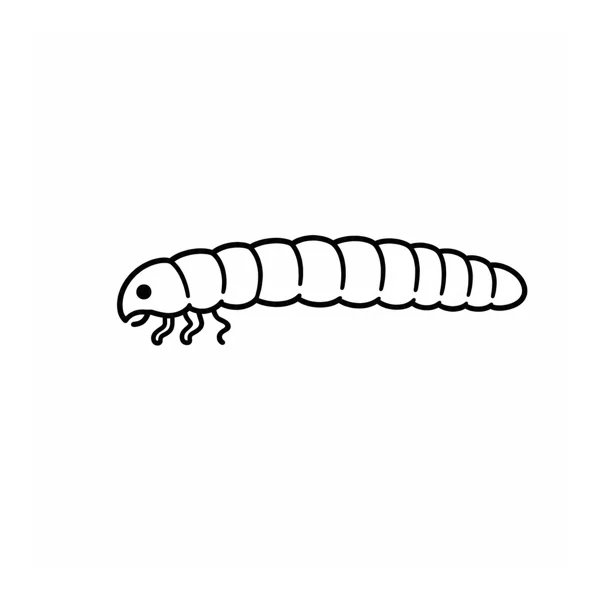
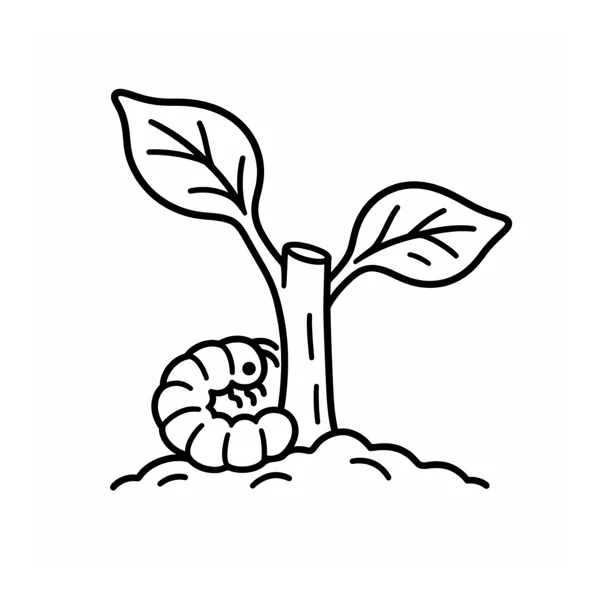
Pests are the bigger trouble with root crops, and most of it lives in the soil.
- Carrot rust fly: its maggots tunnel into carrots and parsnips. A row cover laid on at sowing and left on keeps the flies off.
- Root maggots: the same story for turnips, radishes and rutabagas. Row cover again.
- Flea beetles: they pepper turnip and radish leaves with tiny holes, worst in spring. Row cover, and sow a little later if they're bad.
- Wireworms: worst in beds that were lawn last year. Expect a few holes the first season.
Diseases differ from crop to crop, so each plant page has its own list. The main ones to know: common scab on beets, leaf spots on carrots and beets, clubroot on turnips, radishes and rutabagas (all cabbage family), and black rot and scurf on sweet potatoes. Moving crops to a new bed each year is the best defense against the soil-borne ones (crop rotation plan), and clearing away old leaves in fall helps with the rest (clean up diseased plants in fall).
Good neighbors

We think of companions for root crops as good bed-sharers rather than pest cures.
- Radishes with carrots: sprinkle a few radish seeds in the carrot row. They come up in days, show you where the row is, and are pulled long before the carrots need the room.
- Lettuce and spinach: quick, shallow-rooted leaves that fill the gaps between rows of slower roots in spring and fall.
- Onions and chives: they share the same cool season and loose soil, and fit neatly alongside carrots and beets.
- Peas: sown at the same time early in spring, on a fence at the north side of the bed so they don't shade the roots.
One to avoid: don't follow cabbage-family crops (cabbage, broccoli, kale) with turnips, radishes or rutabagas in the same spot, because they share clubroot and root maggots.
Seeds that grow well in your area in November
Affiliate links — shopping through these helps keep Evening Vines free. Smooth Blue Aster
 Polka Dot Mix
 Black-Eyed SusanSeeds
 ColumbineSeeds
Picking notes
| Crop | Days from sowing | When you're harvesting | |---|---|---| | Radishes | Spring radishes 25 to 35 days; winter radishes 45 to 70 | Spring, and again in fall | | Turnip | About 30 to 60 days | Late spring from early sowings; fall from late-summer sowings | | Beets | 50 to 70 days | Early summer from spring sowings; fall from midsummer sowings | | Carrots | 55 to 80 days | Early to midsummer from spring sowings; fall into early winter from midsummer sowings | | Parsnips | A long season, around four months | Late fall into winter, after a few frosts | | Sweet Potatoes | 90 to 120 days from slips (up to 140 for some varieties) | Early fall, before the first frost |
You can pull most roots as soon as they're big enough to be worth eating. Radishes go pithy and hot if left too long, so pick them young. Carrots, beets and parsnips are happy to wait in cool soil. Loosen the soil beside the row with a fork before you pull, so the roots come up whole.
Sweet potatoes need curing before storing (dig and cure sweet potatoes). For keeping roots through winter, see check stored harvests in winter.
Saving seed for next year
Root crops don't all flower on the same clock.
- Spring radishes usually flower and make seed in the same season they're sown. The seed forms in plump pods that dry on the plant.
- Carrots, beets and parsnips are biennials. They spend the first year making the root and only flower in year two, after a winter. In mild zones you can leave a few of the best roots in the ground; in cold zones dig them, store them cool and replant them in spring. Turnips and rutabagas also need a winter before they flower.
- What the seed looks like: carrots and parsnips make flat flower heads (umbels) that dry into heads of small seeds. Beets make knobbly seed clusters, each holding several seeds. Only radishes and their cabbage-family cousins make pods.
- Watch for crossing: carrots cross with wild Queen Anne's lace, and beets cross with Swiss chard, so only one of each should flower nearby if you want seed true to type.
More on drying and cleaning seed: saving seeds from your garden.
How long the seed keeps, stored cool and dry:
| Crop | Years | |---|---| | Parsnips | 1 (buy or save fresh every year) | | Carrots | 3 | | Beets | 4 | | Turnip | 4 | | Radishes | 4 to 5 |
Not sure about an old packet? Try the paper towel test, and see store leftover seeds.
Questions from the potting bench
Are potatoes a root crop? Not botanically. A potato is a tuber, a swollen stem. It grows in the ground like a root crop, but it's planted and cared for differently. See Potatoes.
Why are my carrots forked or twisted? Usually stones, hard clods, heavy clay or crowding. Fresh manure can do it too. Loosen the bed deeply and thin the seedlings in good time.
Why did my radishes or turnips grow all leaves and no root? Too much nitrogen, too much shade, or seedlings left too close together. Hot weather also makes spring radishes run to flower instead of swelling.
Why did my carrots flower in their first year? Carrots are triggered to flower by a long cold spell while they're young, followed by longer days. Very early sowings that sit through a cold snap are the usual culprits. Choosing a bolt-resistant variety helps for the earliest sowings.
Can I leave root crops in the ground over winter? Carrots, parsnips and many beets can stay put under a thick mulch in all but the coldest zones, and taste sweeter for it. See leave root crops in the ground.
Grower reports
How did Roots do in your garden? Members rate it and say which zone and month they planted, so everyone can see what works near them.
Recent community discussions
No one has talked about Roots yet. Be the first.
Essentials for Growing Roots
 Grow Bags
Breathable fabric pots: grow almost anything on a patio, balcony or driveway, and roots never circle.
See it →
 Garden Hand Tools
Trowel, transplanter and cultivator: the three tools you reach for most.
See it →
 Plant Labels
Waterproof markers so you know what's coming up where.
See it →
 Soaker Hose
Waters the roots slowly, not the leaves: less disease, less water, less work.
See it →
 Organic Fertilizer
Slow-release organic plant food for vegetable beds and containers.
See it →
 Watering Can
Long-spout can for gentle watering of seedlings and pots.
See it →
