
Tarragon
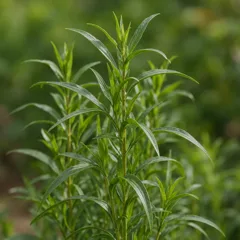
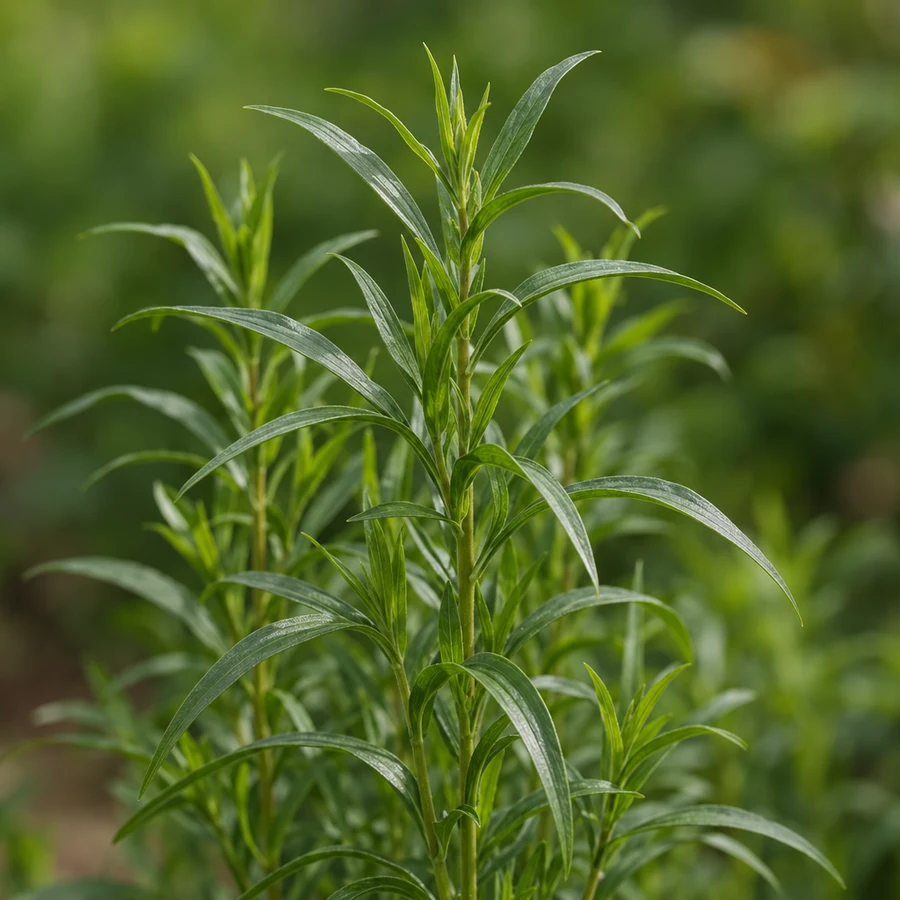
Tarragon is a hardy perennial herb with slim, glossy, deep green leaves and a sweet, anise-like flavor. It grows 2 to 3 feet tall and comes back each spring. It's a classic in French cooking, in béarnaise, chicken dishes, and herb vinegars.
Buy the right kind. French tarragon has the true, refined flavor, but it almost never sets viable seed. Russian tarragon grows easily from seed but is weak and a bit bitter, so it's a poor stand-in in the kitchen. If you see a packet of "tarragon seed," it's almost certainly Russian.
Recent community discussions
No one has talked about Tarragon yet. Be the first.
At a glance
| Plant type | Herb |
| Botanical name | Artemisia dracunculus 'Sativa' (French tarragon) |
| Annual or perennial | Perennial |
| Sun | 6 to 8 hours of full sun |
| Water | Low to moderate; about 1 inch per week, letting the soil dry between waterings |
| Spacing | 18 to 24 inches |
| Planting depth | Same depth as the nursery pot; set cuttings 2 to 3 inches deep |
| Days to germinate | Not grown from seed (French tarragon rarely sets viable seed); cuttings root in 2 to 4 weeks |
| Days to maturity | 60 to 90 from transplant |
| Best USDA zones | 4 to 8 |
| Soil pH | 6.5 to 7.5 |
Is it tarragon weather where you are? See everything to plant this month or read your zone notes.

Best started indoors in spring, 6–8 weeks before last frost. In Zones 8–10, sow in fall for early spring growth.

Germinates in 10–14 days; 60–90 days; perennial.

Zones 4–9, May?Oct; in warm zones Sept?Dec; indoors year-round.

Light gravelly loam or chalky soils, pH 6.5–7.5. Avoids waterlogged clay.
Pests to watch for




Diseases


A little history
Tarragon grows wild across parts of Europe and Asia and has been cultivated for centuries. The species name dracunculus means "little dragon," possibly for its coiling roots. It became a cornerstone of French cuisine and is one of the herbs in the classic fines herbes blend.
When to Plant
Spring: Plant nursery transplants or rooted cuttings after the last frost, once the soil is warming. Divide established clumps in early spring as new growth starts.
Fall: In mild zones, plant nursery plants or divisions in early fall so roots settle before winter. In cold zones, wait for spring.
Growing it, step by step
Starting from Cuttings
French tarragon doesn't come true from seed, so start with cuttings or divisions. Take 4 to 6 inch cuttings from non-flowering shoots in late spring, strip the lower leaves, and root them in moist, gritty mix.
Moving it outside
Set plants at the same depth they grew in the pot, 18 to 24 inches apart, in a sunny spot with sharp drainage. Raised beds and gravelly soil suit it well.
Water
Water young plants regularly until established. After that, give about 1 inch per week and let the top inch of soil dry between waterings. Soggy soil rots the roots fast.
Mulch
Use a thin layer of gravel or light straw, kept away from the crown. In cold zones, add a loose winter mulch after the ground freezes.
Feeding
Go light. Work a little compost into the soil at planting. Heavy feeding makes the leaves lush but dulls the flavor.
Keeping it happy
Pinch tips often to keep plants bushy. Cut stems back to a few inches in late fall. Every 3 to 4 years, dig up and divide the clump, because older plants lose vigor and flavor.
Trouble in the bed
- Root rot: Caused by wet, heavy soil. Plant in well-drained ground and don't overwater.
- Powdery mildew: A white coating in humid weather. Give plants space and airflow.
- Rust: Orange pustules on the leaves. Remove affected leaves and avoid overhead watering.
- Aphids: Small sap-suckers on new growth. Rinse off with water or use insecticidal soap.
Good neighbors







Good: Eggplant, peppers, tomatoes, and most vegetables.
Avoid: Plants that need rich, moist soil, which clash with tarragon's dry preference.
Varieties worth growing
- French tarragon: The best flavor. Grow from cuttings or division.
- Russian tarragon: Hardy and seed-grown, but milder and less flavorful.
- Mexican tarragon (Tagetes lucida): A different plant with a similar anise flavor that thrives in hot, humid climates.
Seeds that grow well in your area in November
Affiliate links — shopping through these helps keep Evening Vines free. Purple Coneflower
 Stinging Nettle
 Smooth Blue Aster
 Polka Dot Mix
Picking notes
Start picking once plants are 6 to 8 inches tall, taking no more than a third at a time. The flavor is best before flowering. Use it fresh, freeze it, or steep it in vinegar, since drying loses much of the flavor.
Propagation
Divide clumps in spring, replanting pieces with healthy roots, or root stem cuttings in late spring. Both give plants identical to the parent, with true French flavor.
From garden to table
Tarragon adds small amounts of vitamins A and C, manganese, and iron. Use it in sauces, with chicken, fish, and eggs, and in herb butters and vinegars. Add it near the end of cooking to keep its flavor.
Questions from the potting bench
Why won't my French tarragon set seed? It's nearly sterile, which is normal. Grow new plants from cuttings or division.
Can I grow tarragon from seed? Only Russian tarragon, and its flavor is weak. For French flavor, start with a plant or cutting.
Why is my tarragon dying over winter? Usually wet, cold soil. Improve drainage and add a light mulch after the ground freezes.
Saving seed for next year
Seed Saving Allow flowers to fully mature and dry on the plant (only for Russian Tarragon). Collect tiny brown seeds from dried flower heads. Store in an airtight container for up to 2 years.
Grower reports
How did Tarragon do in your garden? Members rate it and say which zone and month they planted, so everyone can see what works near them.
Recent community discussions
No one has talked about Tarragon yet. Be the first.
Essentials for Growing Tarragon
 Grow Bags
Breathable fabric pots: grow almost anything on a patio, balcony or driveway, and roots never circle.
See it →
 Seed Starting Tray
Reusable tray with a clear dome to give seeds a warm, humid start indoors.
See it →
 LED Grow Light
Full-spectrum light for sturdy seedlings through short winter days.
See it →
 Pruning Shears
Sharp bypass pruners for harvesting, deadheading and tidying.
See it →
 Watering Can
Long-spout can for gentle watering of seedlings and pots.
See it →
 Organic Fertilizer
Slow-release organic plant food for vegetable beds and containers.
See it →
