
Viola
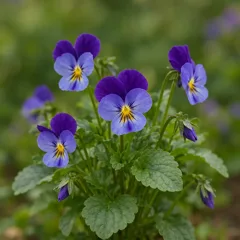
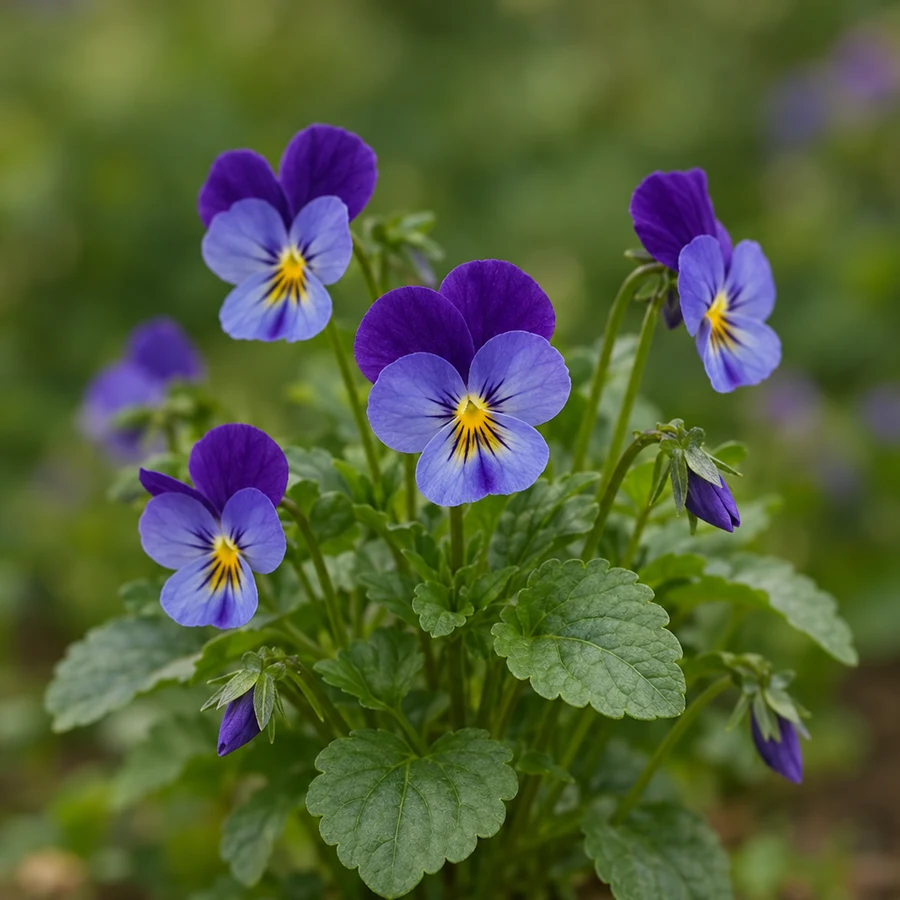
Violas are cheerful, cool-season flowers with small faces in purple, yellow, white, blue, and apricot. Horned violets (Viola cornuta) form neat mounds about 6 to 8 inches tall, while Johnny jump-ups (Viola tricolor) are petite, self-seeding plants with tricolor blooms. Both bloom hardest in cool weather, which makes them one of the best flowers for fall planting.
Yes, violas are edible. The flowers have a mild, sweet, slightly minty flavor and make a pretty garnish. Only eat flowers from plants grown without pesticides.
Recent community discussions
No one has talked about Viola yet. Be the first.
At a glance
| Plant type | Flower (edible) |
| Botanical name | Viola cornuta (horned violet) and Viola tricolor (Johnny jump-up) |
| Annual or perennial | V. cornuta is a short-lived perennial; V. tricolor is an annual, biennial or short-lived perennial that self-seeds |
| Sun | Full sun to part shade; afternoon shade in hot climates |
| Water | About 1 inch per week, kept evenly moist |
| Soil | Moist, humus-rich, well-drained soil |
| Spacing | 6 to 9 inches |
| Planting depth | 1/8 inch (seed likes darkness) |
| Days to germinate | 10 to 20 |
| Days to maturity | About 10 to 14 weeks from seed to first flowers |
| Best USDA zones | V. cornuta: perennial in zones 6 to 9 (NC State lists it to 11). Johnny jump-ups and the hardiest hybrids: zones 4 to 8. Grown as a cool-season annual almost anywhere |
| Soil pH | 5.5 to 6.5 (slightly acid) |
Is it viola weather where you are? See everything to plant this month or read your zone notes.

Start indoors 10–12 weeks before last frost or direct sow outdoors in early spring. In mild Zones (7+), sow again in fall for blooms.

Germinates in 10–21 days; blooms in 60–80 days.

Zones 3–9, Mar?July for spring planting; Oct?Apr in warmer zones; tolerates frost.

Moist, fertile silty loam or clay loam, pH 5.5–7.5. Benefits from compost.
Pests to watch for





A little history
Wild violas have long been grown in European gardens. Johnny jump-ups were a cottage-garden favorite, and Victorians used them in "language of flowers" bouquets. Breeders later produced many hybrids from V. cornuta and V. tricolor.
When to sow in your zone
Spring: Start seed indoors 8 to 10 weeks before your last frost, then set plants out 4 to 6 weeks before it, once they've been hardened off. Not sure of your date? Count back from your last frost. Nursery plants can go in as soon as the soil can be worked.
When to plant violas in fall: Aim for early to mid fall, once the worst heat has passed and the soil has cooled.
- Zones 7 to 9: Plant in fall for flowers through mild spells in winter and a big flush in early spring.
- Zones 4 to 6: Plant in early fall, about 6 weeks before the ground freezes, so roots can settle in. Mulch after the first hard freeze. Many plants rest over winter and bloom again in spring.
- Zones 10 and 11: Fall and winter are the main viola season; summer is too hot.
Viola dates swing a lot from zone to zone. Find viola dates for your zone.
Growing it, step by step
From seed
Sow seed 1/8 inch deep and cover it, since viola seed germinates best in darkness. Keep it at 65 to 70°F and evenly moist, then give seedlings bright light once they sprout.
Moving it outside
Harden off seedlings for a week, then plant 6 to 9 inches apart in moist, humus-rich, well-drained soil. Violas do well in beds, borders, containers, and window boxes. Avoid soggy spots: wet roots invite root rot.
Water
Keep the soil evenly moist and water at the base, not over the leaves. Water more often in hot weather, but don't let the bed stay waterlogged.
Mulch
A thin layer of shredded leaves or compost keeps roots cool and moist. In cold zones, add a little more after the ground freezes to protect fall plantings, and keep frost cover handy for sudden cold snaps. See protect plants from frost.
Feeding
Work compost into the soil at planting. During bloom, feed lightly every 3 to 4 weeks with a balanced fertilizer.
Keeping it happy
Deadhead spent flowers to keep plants blooming. In hot summers, plants may get leggy; cut them back by about half and they often rebound in fall. Horned violets are short-lived, so replace or divide them every 2 to 3 years.
Trouble in the bed
Pests
- Aphids: Cluster on tender growth. Rinse off or use insecticidal soap.
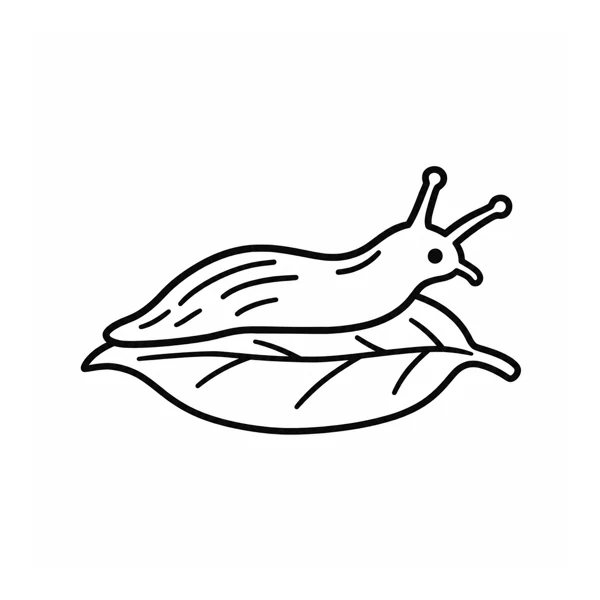
- Slugs and snails: Chew holes in leaves and flowers. Trap or hand-pick in the evening.
- Spider mites: Show up in hot, dry weather. Spray the plants with water.
Diseases
- Gray mold (botrytis): Brown, papery flowers and leaves with fuzzy gray mold in damp weather. Old, fading blooms catch it first, so deadhead often and give plants room.
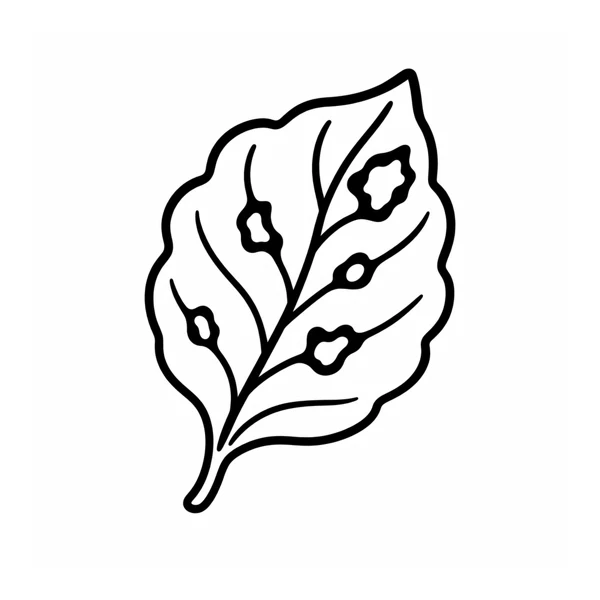
- Anthracnose: Tan to gray leaf spots with dark edges, sometimes in rings, plus sunken spots on stems and petals. Pick off spotted leaves as soon as you see them.
- Black root rot: A soil fungus that turns roots black from the tips up; plants stall and fade. It thrives in wet, poorly drained soil. Pull sick plants, improve drainage, and don't overwater.
- Leaf spot: Small spots on the leaves that spread in wet weather. Water at the base and keep the foliage dry.
Good neighbors

Good: Pansies, spring bulbs, lettuce, strawberries, and roses. All like the same cool, evenly moist soil.
Avoid: Aggressive plants that crowd small violas, and dry-loving Mediterranean herbs such as rosemary and lavender, which want much drier soil than violas do.
Seeds that grow well in your area in November
Affiliate links — shopping through these helps keep Evening Vines free. PhloxSeeds
 Royal Mix
 Organic Cat Grass
 Arugula Microgreens
Varieties worth growing
- Sorbet XP: Compact, free-blooming V. cornuta hybrids in many single colors and mixes, including 'Sorbet XP Deep Orange'.
- Penny: Hardy, heat-tolerant hybrid series.
- Johnny Jump Up: The classic V. tricolor, self-seeding with edible blooms. Seeds
- Columbine: Creamy white flowers splashed and streaked with violet, with a small yellow eye.
- Etain: Pale yellow flowers edged with violet.
- Alba: A white V. cornuta.
Viola seeds to buy
Affiliate links — shopping through these helps keep Evening Vines free.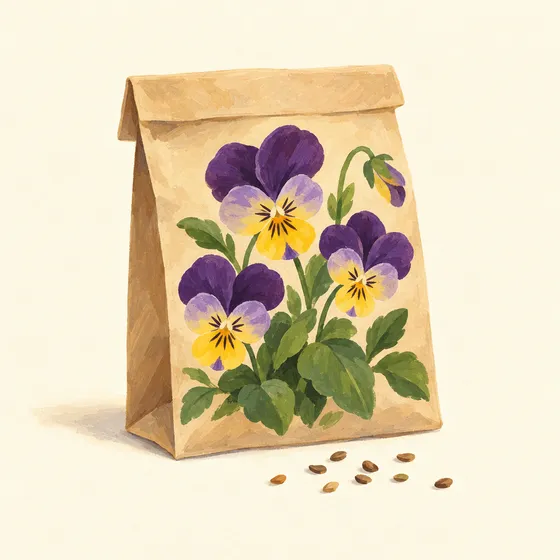 Johnny Jump Up
Picking notes
Pick flowers in the morning when freshly open. Rinse gently and use right away, or keep them in the fridge for a day or two. Picking encourages more blooms.
Saving seed for next year
Let a few flowers go to seed. The capsules turn upright, then split in three and fling the seed, so collect them just before they open or bag the heads. Store the seed cool and dry. Hybrids may not come true, but Johnny jump-ups self-seed happily. More tips in saving seeds from your garden.
From garden to table
Violas are grown for looks and flavor rather than nutrition: a handful of flowers is a garnish, not a vegetable. Scatter them over salads, desserts, cakes, and drinks, freeze them in ice cubes, or candy them for cake decorations. Eat only flowers grown without chemicals. African violets are unrelated and aren't edible.
Questions from the potting bench
Are violas edible? Yes. The flowers of V. tricolor and V. cornuta are edible if the plants were grown without pesticides. Don't eat flowers from florists or garden centers unless they're sold as edible.
When should I plant violas in fall? Early to mid fall, once the heat breaks. In cold zones, get them in about 6 weeks before the ground freezes; in mild zones, fall is the start of their best season. Check your zone.
Why did my violas stop blooming? Summer heat. Cut them back, keep them moist, and they often rebloom in fall.
Will they come back each year? Horned violets are short-lived perennials, and Johnny jump-ups usually self-seed.
Grower reports
How did Viola do in your garden? Members rate it and say which zone and month they planted, so everyone can see what works near them.
Recent community discussions
No one has talked about Viola yet. Be the first.
Seeds to try
Affiliate links — shopping through these helps keep Evening Vines free.Essentials for Growing Viola
 Grow Bags
Breathable fabric pots: grow almost anything on a patio, balcony or driveway, and roots never circle.
See it →
 Pruning Shears
Sharp bypass pruners for harvesting, deadheading and tidying.
See it →
 Seed Starting Tray
Reusable tray with a clear dome to give seeds a warm, humid start indoors.
See it →
 Garden Kneeler
A kneeling pad that flips into a seat: easier on knees and back.
See it →
 Plant Labels
Waterproof markers so you know what's coming up where.
See it →
 Organic Fertilizer
Slow-release organic plant food for vegetable beds and containers.
See it →
