
Pansy
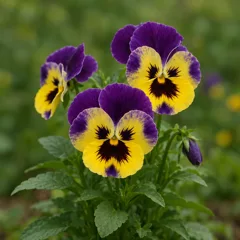
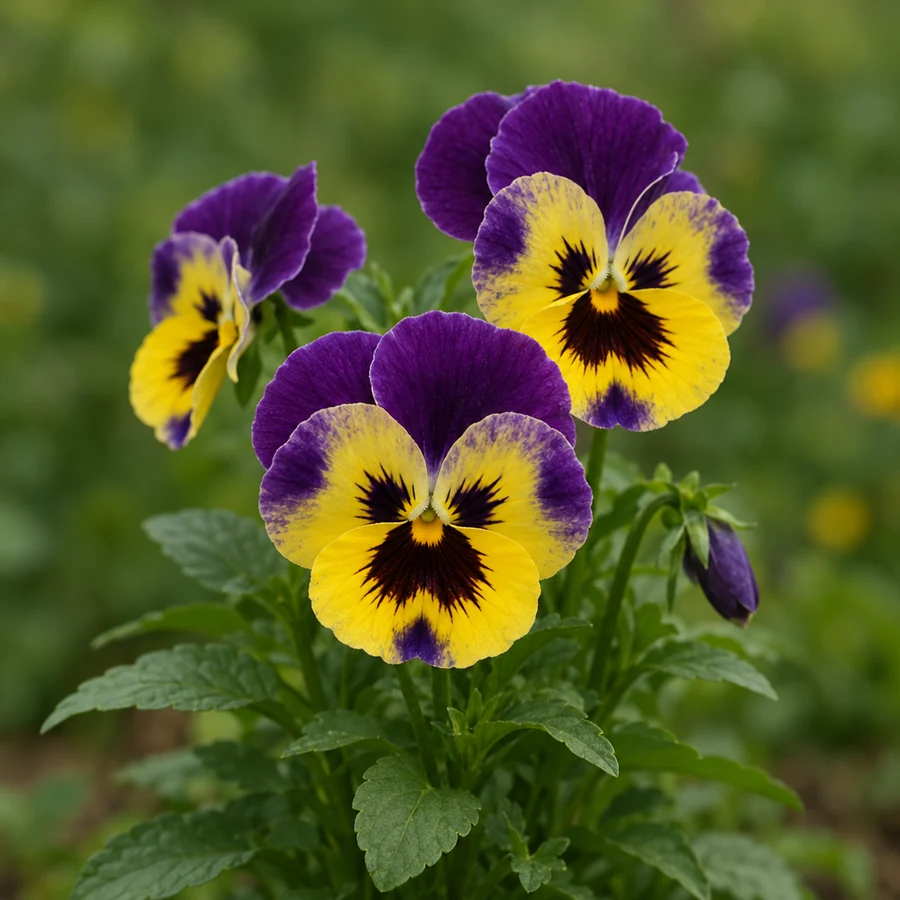
Pansies are the low, leafy little plants that keep a bed in color when almost everything else has gone quiet. The round, flat blooms come in nearly every shade, many with a dark blotch at the center. Where winters are mild they flower from fall right through to spring, and everywhere they fade once summer heat settles in.
Recent community discussions
No one has talked about Pansy yet. Be the first.
At a glance
| Plant type | Flower |
| Botanical name | Viola × wittrockiana |
| Annual or perennial | Short-lived perennial, grown as a cool-season annual |
| Sun | Full sun to part shade |
| Water | Regular, even moisture |
| Spacing | 6 to 8 inches (10 to 12 inches for large-flowered types) |
| Planting depth | 1/8 inch |
| Days to germinate | 10 to 21 days |
| Days to maturity | About 90 days from seed to first flowers |
| Zones | Grown in every zone: a spring and fall annual in zones 3 to 6, a fall-planted winter annual in zones 7 to 11 |
| Bloom time | Zones 3 to 5: May to early July, plus fall plantings; zones 6 to 7: March to June, plus fall; zones 8 to 11: October to April |
| Soil pH | 5.4 to 5.8 |
Is it pansy weather where you are? See everything to plant this month or read your zone notes.

Sow indoors 10–12 weeks before last frost for spring blooms. In mild climates, sow outdoors in fall for winter/early spring flowers.

Germinates in 10–21 days; blooms in 70–90 days.

Zones 3–9, March?June; in warm zones September?May; tolerant of light frosts.

Fertile, moist silty loam, pH 5.5–6.5. Best in cool, humus-rich conditions.
Pests to watch for








A little history
Garden pansies were bred in England in the early 1800s from wild violas, chiefly heartsease (Viola tricolor). Breeders have been making the flowers bigger, bolder and more weather-proof ever since. For their smaller-flowered cousins, see Viola.
When to sow in your zone
Spring: Pansies need about 90 days from seed to flower, so start seeds indoors 10 to 12 weeks before your last frost (counting back from last frost helps). Plant them out about a month before the last frost, once the hard freezes are over. They shrug off light frost.
Fall: In zones 7 to 11, set out plants in fall for color through winter and into spring. In colder zones, plant 4 to 6 weeks before your first fall frost so the roots can settle in before the cold.
Look up your own frost dates and planting months on the zone pages.
Growing it, step by step
In the seed tray
Sow seeds 1/8 inch deep in a fine seed-starting mix and cover them lightly: darkness helps pansy seed sprout, so keep the tray covered until the first shoots show. Hold it at about 62 to 68°F, then move the seedlings into bright light and keep them cool so they stay stocky.
Into the bed
Harden off seedlings for a week, then set them at the same depth they grew in the pot. A spot with morning sun and some afternoon shade keeps them flowering longer as the days warm.
A drink when the top inch dries
Water when the top inch of soil is dry. Pansies like steady moisture but sit badly in soggy soil, which invites root rot.
A blanket of mulch
Spread about 2 inches of light mulch around the plants. It keeps the soil evenly moist and helps stop roots heaving in freeze and thaw spells through winter.
Feeding, lightly
Mix compost in at planting. Feed with a low-nitrogen fertilizer such as 5-10-10 or 5-10-5, once at planting and again when growth picks up in late winter or spring. Too much nitrogen makes soft growth and lowers the plants' cold hardiness.
Keeping it happy
Pinch off faded flowers often to keep new buds coming (more on that in deadheading flowers for more blooms). Cut leggy plants back by half and they will often flower again. When summer heat sets in and the plants go stringy, pull them and replant in fall.
Trouble in the bed
Pests
- Slugs and snails: The biggest nuisance in cool, damp weather. Hand-pick at dusk or set traps.
- Aphids: Rinse off with a strong spray of water or use insecticidal soap.
- Spider mites and thrips: Worse in warm, dry spells. Rinse leaves and remove badly hit plants.
Diseases
- Black root rot: Stunted, yellowing plants with blackened roots. It is worse in soil above pH 6, so keep the pH near 5.4 to 5.8 and start with fresh mix or clean beds.
- Crown rot and root rot: Plants wilt and collapse at soil level. Plant in well-drained soil, set plants no deeper than they grew in the pot, and don't overwater.
- Botrytis (gray mold), powdery mildew and anthracnose: Give plants room for air to move, water at the base, and clear away spent flowers and spotted leaves.
Good neighbors









Good: Spring bulbs such as tulips and daffodils (plant them together in fall, see planting spring bulbs in fall), plus snapdragons and primroses, all of which enjoy the same cool weather.
Avoid: Hot, dry spots, and warm-season plants that need full summer heat.
Seeds that grow well in your area in November
Affiliate links — shopping through these helps keep Evening Vines free. Smooth Blue Aster
 Polka Dot Mix
 Black-Eyed SusanSeeds
 ColumbineSeeds
Varieties worth growing
- Majestic Giants: Large blooms with bold blotches. Give them the wider spacing.
- Matrix: Mounded plants that hold up well through winter.
- Delta: A strong series with many colors and good cold tolerance.
- Cool Wave: A trailing pansy for baskets and wall pots.
Pansy seeds to buy
Affiliate links — shopping through these helps keep Evening Vines free.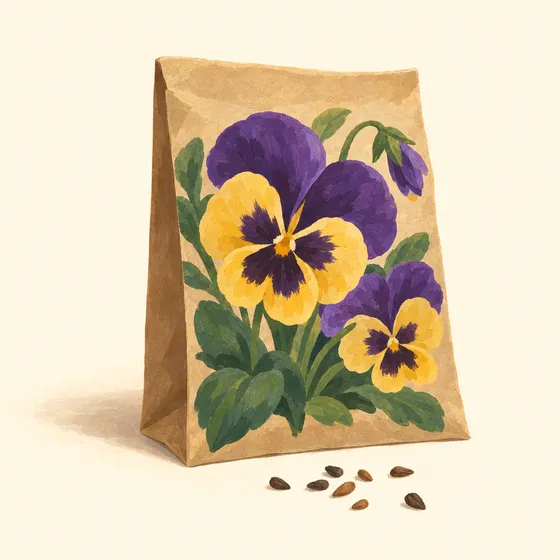 PansySeeds
Picking notes
Pick flowers for tiny bouquets or as edible garnishes. Cut stems just above a leaf and the plant will send up more buds.
Saving seed for next year
Leave a few flowers to fade and form pods. Pansy pods split open and fling their seed, so collect them when they turn tan and point upward, before they burst. Let them finish drying in a paper bag, then store the seed cool and dry. Seed from hybrid varieties may not come true to the parent. More tips in saving seeds from your garden.
From garden to table
Pansy flowers are edible, with a mild, faintly green taste. Scatter them on salads, cakes and drinks. Only eat flowers grown without pesticides. Pansies also make tidy edging and fill containers and window boxes through the cool months.
Questions from the potting bench
When should I plant pansies in fall? In zones 7 to 11, fall is the main planting time for winter and spring color. In colder zones, plant 4 to 6 weeks before your first fall frost.
Why did my pansies stop blooming? Heat is the usual cause. They flower best in cool weather and slow down as summer arrives.
Can they survive frost? Yes. Light frost and cold spells are fine, and established plants bounce back after a freeze.
Are the flowers safe to eat? Yes, if they were grown without pesticides.
Grower reports
How did Pansy do in your garden? Members rate it and say which zone and month they planted, so everyone can see what works near them.
Recent community discussions
No one has talked about Pansy yet. Be the first.
Seeds to try
Affiliate links — shopping through these helps keep Evening Vines free.Essentials for Growing Pansy
 Grow Bags
Breathable fabric pots: grow almost anything on a patio, balcony or driveway, and roots never circle.
See it →
 Pruning Shears
Sharp bypass pruners for harvesting, deadheading and tidying.
See it →
 Seed Starting Tray
Reusable tray with a clear dome to give seeds a warm, humid start indoors.
See it →
 Garden Kneeler
A kneeling pad that flips into a seat: easier on knees and back.
See it →
 Plant Labels
Waterproof markers so you know what's coming up where.
See it →
 Organic Fertilizer
Slow-release organic plant food for vegetable beds and containers.
See it →
