
Amaranth
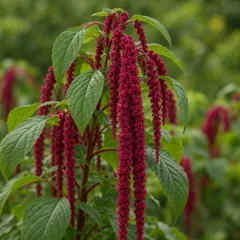
Amaranth is a tough, warm-season plant that works as a leafy green, a grain, or a dramatic ornamental. Some types grow 4 to 7 feet tall with rope-like red or golden flower plumes. Others stay smaller and have bright foliage in red, green, and gold.
It loves heat, tolerates poor soil, and handles dry spells better than many garden crops. Both the leaves and the seeds are edible, so one planting can feed you and decorate the garden at the same time.
Recent community discussions
No one has talked about Amaranth yet. Be the first.
At a glance
| Plant type | Warm-season leafy green, grain, and ornamental |
| Botanical name | Amaranthus spp. (A. cruentus, A. tricolor, A. caudatus) |
| Annual or perennial | Annual |
| Sun | Full sun |
| Water | Moderate; drought tolerant once established |
| Spacing | 6 to 12 inches for greens; 12 to 18 inches for grain and ornamentals |
| Planting depth | 1/8 to 1/4 inch |
| Days to germinate | About 3 to 14, faster in warm soil |
| Days to maturity | Greens 30 to 40; grain and flowers 90 to 120 |
| Best USDA zones | Annual in zones 3 to 11 |
| Soil pH | 6.0 to 7.5 |
Is it amaranth weather where you are? See everything to plant this month or read your zone notes.

Late spring or early summer once soil is above 65°F (18°C). Fall: sow late summer in warm zones. Indoors: start 4–6 weeks before transplant.

Leaves in 30–40 days; grain in 90–120 days.

Zones 2–8, June?October; Zones 9–11, September?November; indoors year-round (leaves).

Sandy loam soil, pH 6.0–7.5. Adaptable, tolerates poorer soils but thrives with steady moisture.
Pests to watch for





Diseases

A little history
Amaranth has been grown in Central and South America for thousands of years and was an important crop for the Aztecs, who used the seed both as food and in ceremonies. Its cultivation declined after the Spanish conquest, but the plant never vanished. It has since returned as a popular gluten-free grain, and it's a staple leaf crop in parts of Africa and Asia.
When to sow in your zone
When to plant amaranth comes down to one thing: warm soil. It sulks in cold ground, so there's no prize for getting it in early.
Spring: Sow outdoors 1 to 2 weeks after the last frost, once the soil is at least 65°F. In short-season zones, start seed indoors about 4 to 6 weeks before the last frost and plant out once nights stay warm. Not sure of your frost date? Look it up on the zones page, then count back from your last frost.
Summer: Sow greens every 2 to 3 weeks through early summer for a steady supply. In zones 9 to 11, a late-summer sowing gives greens into fall.
Fall and winter: Amaranth is frost tender, so outside frost-free areas there's nothing to sow from fall through winter. Use the quiet months to make a seed list and pick your varieties.
Planting depth: Amaranth seed is tiny, so the right planting depth is shallow, just 1/8 to 1/4 inch. Any deeper and the seedlings struggle to reach the light.
Growing it, step by step
From seed
The seeds are tiny, so mix them with fine sand for even sowing. Cover with only 1/8 to 1/4 inch of soil and keep the bed moist until seedlings emerge. Thin to 6 inches for baby greens, or 12 to 18 inches for big plants.
Moving it outside
Transplant gently after the last frost, because amaranth dislikes root disturbance. Harden off for several days and set plants at the same depth they grew.
Water
Water steadily while plants are young. Established plants tolerate dry spells, but the leaves are most tender with regular water.
Mulch
A 2-inch layer of mulch holds moisture and blocks weeds once the soil has warmed.
Feeding
Amaranth does well in average soil, and a little compost at planting is plenty. Heavy nitrogen can make tall types floppy.
Keeping it happy
Weed early, while the seedlings are small. Tall types may need a stake in windy sites. For more leaves, pinch the growing tips. For grain or big flower heads, leave plants alone. Many amaranths self-seed freely, so remove spent heads if you don't want volunteers.
Trouble in the bed
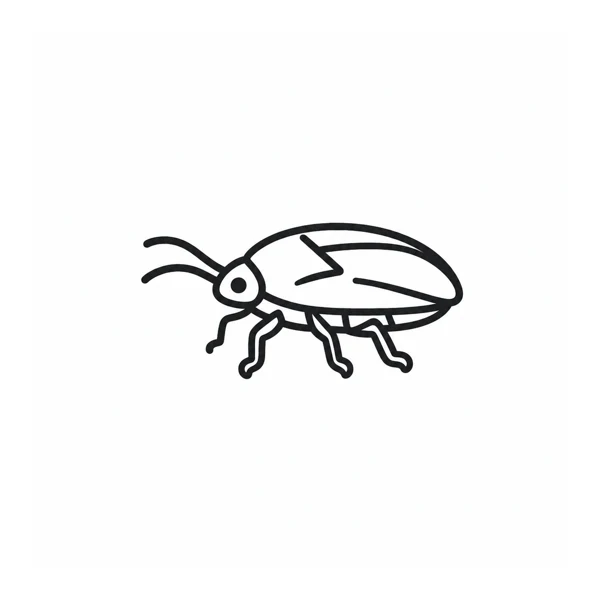
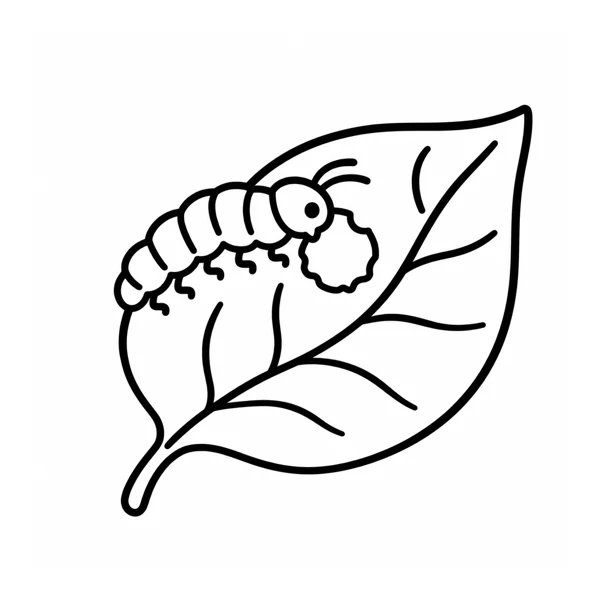
The pest cards on this page show what each bug looks like. Here's what to watch for and what to do about it.
Bugs
- Flea beetles: Tiny jumping beetles that pepper young leaves with shot holes. Cover seedlings with row cover until they're well grown.
- Tarnished plant bug: Feeds on the developing seed heads, which can leave grain shriveled. Mostly a worry if you're growing for seed. Keeping weedy edges mowed gives it fewer places to hide.
- Amaranth weevil: The grubs tunnel down inside the stems and roots, and hollowed stems snap in the wind. Pull and destroy damaged plants at the end of the season and grow amaranth in a new spot next year.
- Leaf miners: Small fly larvae that leave pale, winding trails inside the leaves. Pick off mined leaves before you harvest the rest.
- Grasshoppers: They chew ragged holes in leaves in late summer, especially near long grass. A few rarely matter; row cover protects a young bed.
- Aphids: Spray them off with water or use insecticidal soap.
- Cutworms: Place collars around young stems.
Diseases
- Damping off: Seedlings collapse at the soil line. Sow into warm soil and don't overwater.
- Root rot: Plants wilt even though the soil is wet. Improve drainage and let the top inch dry between waterings.
- White rust: White, chalky blisters on the undersides of leaves. Pick off affected leaves, give plants room for air to move, and water at soil level.
- Stem canker: Dark, sunken patches on the stems, often where weevils have been feeding. Pull affected plants and rotate where you grow amaranth.
Good neighbors












Good: Corn, beans, squash, tomatoes, and peppers. Tall amaranth gives light shade and attracts pollinators.
Also on the chart: Basil, okra, cucumber, and melons want the same heat, sun, and summer timing, so they're easy bed-mates. Marigolds share the warm season and bring in pollinators too. Lettuce is the odd one out: it's the low crop that's glad of a bit of afternoon shade in summer, so a row tucked on the shady side of tall amaranth can be slower to bolt. These pairings are about shared growing conditions rather than proven benefits.
Avoid: Don't plant tall types where they'll shade low, sun-loving crops like melons, cucumbers, and peppers. Put them on the north side of the bed.
Seeds that grow well in your area in November
Affiliate links — shopping through these helps keep Evening Vines free. Foxglove Mix
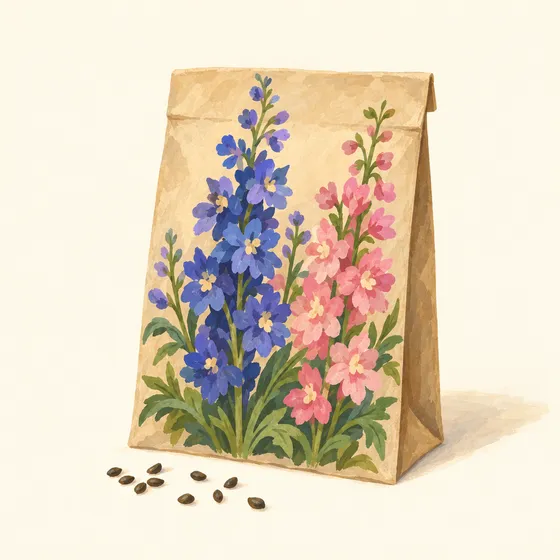 Rocket Larkspur
 Wild Lupine
 Common Milkweed
Varieties worth growing
- Hopi Red Dye: Deep red leaves and flowers, traditionally used as a natural dye.
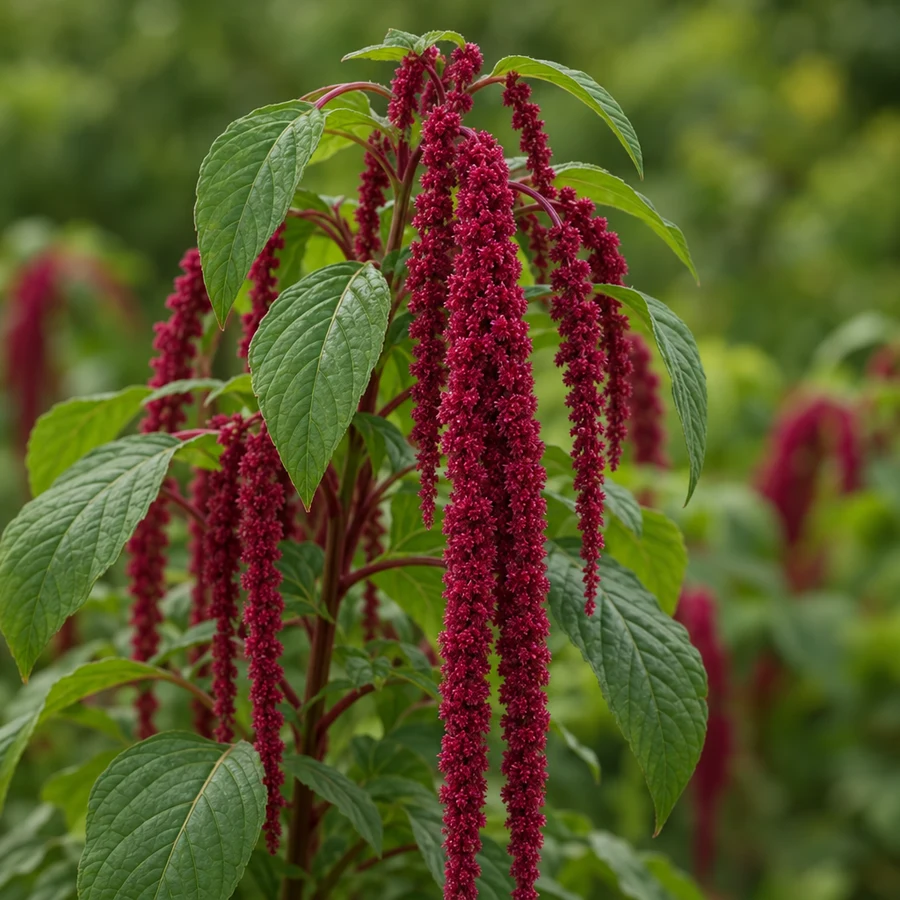
- Elephant Head: Tall, with curved, trunk-like crimson flower heads.
- Love-Lies-Bleeding: Long, ropy, drooping red tassels. Seeds
- Joseph's Coat: Multicolored leaves, popular as an edible green.
- Golden Giant: A productive grain type with gold seed heads.
- Orange Giant: Large orange-gold heads for grain and decoration.
- Opopeo: Deep magenta seed heads over bronze-green leaves that are good to eat.
Amaranth seeds to buy
Affiliate links — shopping through these helps keep Evening Vines free.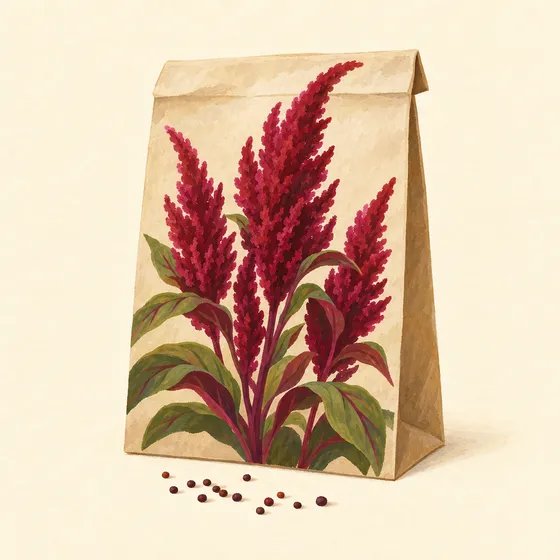 Red Garnet
Picking notes
When: Harvest time follows sowing time. Greens are ready about 4 to 6 weeks after sowing, so a spring sowing gives leaves from early summer until the first frost. Grain and flower heads take 3 to 4 months, so most zones pick them from late summer into early fall, before frost. In zones 9 to 11, a late-summer sowing gives greens through fall.
Greens: Pick young leaves and tender tips once plants are 6 to 8 inches tall, or cut whole plants for baby greens.
Grain: Harvest when the seed heads are full and a few seeds fall when you shake them. Cut the heads and dry them on a screen.
Saving seed for next year
Let a few plants ripen fully. Rub the dry heads over a bucket or tarp, then winnow out the chaff by pouring the seed in a gentle breeze. Store it in a cool, dry, dark place. Amaranth cross-pollinates easily, so keep varieties apart if you want seed that comes true.
From garden to table
Young leaves are rich in vitamins A and C, calcium, and iron. They also contain oxalates, so cook them if you eat large amounts. The seeds are a gluten-free grain with good protein. Cook the leaves like spinach. Boil the seeds as porridge or pop them like tiny popcorn. The flowers work well in fresh and dried arrangements.
Questions from the potting bench
Is amaranth the same as pigweed? They're close relatives in the same genus. Never eat a wild plant unless you're sure what it is.
Why is my amaranth growing slowly? Cold soil or cool nights. It wants heat, so wait until the ground is warm.
Can I grow it in a pot? Compact types grow well in large containers with good drainage. Tall grain types do best in the ground.
Grower reports
How did Amaranth do in your garden? Members rate it and say which zone and month they planted, so everyone can see what works near them.
Recent community discussions
No one has talked about Amaranth yet. Be the first.
Seeds to try
Affiliate links — shopping through these helps keep Evening Vines free.Essentials for Growing Amaranth
 Grow Bags
Breathable fabric pots: grow almost anything on a patio, balcony or driveway, and roots never circle.
See it →
 Seed Starting Tray
Reusable tray with a clear dome to give seeds a warm, humid start indoors.
See it →
 Garden Hand Tools
Trowel, transplanter and cultivator: the three tools you reach for most.
See it →
 Organic Fertilizer
Slow-release organic plant food for vegetable beds and containers.
See it →
 Watering Can
Long-spout can for gentle watering of seedlings and pots.
See it →
 Pruning Shears
Sharp bypass pruners for harvesting, deadheading and tidying.
See it →
