
Penstemons
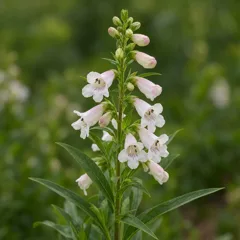
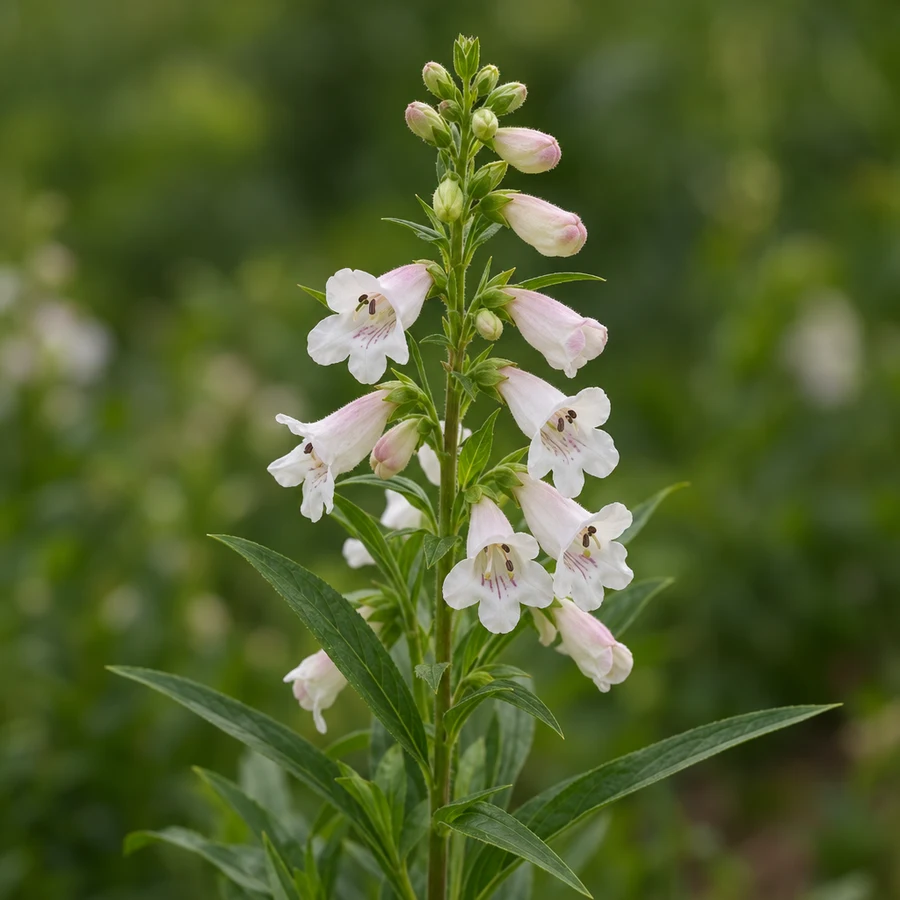
Penstemons, also called beardtongues, send up tall spikes of tubular flowers in pink, red, purple, blue, and white. Hummingbirds and bees love them, and many are tough and drought tolerant.
Most do best in lean, well-drained soil and full sun. Winter wetness is their biggest enemy. Choose species that suit your region, since eastern and western types differ in how much water they want.
Recent community discussions
No one has talked about Penstemons yet. Be the first.
At a glance
| Plant type | Flower (native wildflower) |
| Botanical name | Penstemon species (beardtongue) |
| Annual or perennial | Perennial (often short-lived) |
| Sun | Full sun |
| Water | Low to moderate |
| Spacing | 12 to 24 inches |
| Planting depth | Surface to 1/8 inch (needs light) |
| Days to germinate | About 2 to 5 weeks, after cold chilling |
| Days to maturity | Often first blooms in its second year from seed |
| Best USDA zones | 3 to 9 (varies by species) |
| Soil pH | About 6.5 to 8 (near neutral; many western species take alkaline soil) |
Is it penstemons weather where you are? See everything to plant this month or read your zone notes.

Sow indoors 8–10 weeks before last frost (requires cold stratification). In mild zones, direct sow in fall for spring germination.

Germinates in 10–21 days; blooms in 90–120 days; perennial.

Zones 3–9, June?September; in mild zones May?August; indoors year-round with lights.

Well-drained sandy or rocky soils, pH 6.0–7.5. Requires excellent drainage; tolerates poor soils.
Pests to watch for




Diseases

A little history
There are about 280 species, found from the Arctic south to Central America, with almost all of them in North America. Many come from the dry West, and gardeners have bred showy hybrids from them.
When to sow in your zone
Penstemon seed needs a cold, damp spell before it will sprout. There are two ways to give it one.
Fall, in cold-winter zones: Sow outdoors in late fall, after the ground starts to freeze, and let winter do the chilling. Seedlings come up in spring. November is the month for this across most cold-winter zones; check your frost dates on the zone pages. Sowing in milk jugs works well too.
Spring, in any zone: Mix seed with a little damp sand or paper towel, chill it in the fridge for 4 to 8 weeks, then sow outdoors after your last frost. In mild-winter zones, where the ground never gets cold enough, this is the way to go.
Set out nursery plants in spring or early fall.
Growing it, step by step
From seed
Press seeds onto the surface and barely cover them, since they need light. Keep the surface damp until they sprout, which takes about 2 to 5 weeks after chilling.
Moving it outside
Set young plants at the same depth they grew in the pot, 12 to 24 inches apart, in spring or early fall.
Water
Water young plants weekly. Established plants need little water. Avoid soggy soil.
Mulch
Use gravel or a thin layer of mulch, kept off the crown.
Feeding
Not needed. Rich soil makes plants floppy and shortens their life.
Keeping it happy
Deadhead after bloom to encourage more flowers, or leave some seed heads for birds and self-sowing. Cut stems back in late winter or early spring. Penstemons often fade after a few years, so let a few seedlings grow on or divide older clumps. Good winter drainage is vital.
Trouble in the bed
Penstemons are mostly trouble-free, but watch for these.
Pests
- Aphids: Rinse off with a strong spray of water or use insecticidal soap.
- Slugs and snails: Hand-pick in the evening or set traps, especially around young plants.
- Grasshoppers: In dry western gardens they can strip a plant. Keep nearby grass trimmed and hand-pick early in the season while they're small.
- Flea beetle larvae: Small larvae can chew leaves down to the stems. Check the undersides of leaves and pick them off.
- Seed bugs: These feed on ripening seed pods. They mostly matter if you're saving seed.
Diseases
- Root and crown rot: The most common killer. Plant in fast-draining soil and add grit if your soil is heavy.
- Leaf spot: Water at the base and clear away spotted leaves.
- Powdery mildew: Space plants for airflow and water at the base. More in powdery mildew in late summer.
- Rust: Remove affected leaves and keep foliage dry.
Good neighbors



Good: Coneflowers, yarrow, salvia, and ornamental grasses, which share its love of sun and dry soil.
Avoid: Thirsty plants and spots that stay wet in winter.
Seeds that grow well in your area in November
Affiliate links — shopping through these helps keep Evening Vines free. Moonbeam
 Foxglove Mix
 Rocket Larkspur
 Wild Lupine
Varieties worth growing
- Husker Red: Burgundy foliage with white flowers. Easy to find as seed or plants.
- Dark Towers: Dark foliage with pink flowers. Usually sold as plants.
- Pike's Peak Purple: Purple flowers on a hardy, low-water plant. A hybrid, so buy it as a plant.
- Red Rocks: Compact plant with rosy-red flowers. A hybrid, so buy it as a plant.
- Rocky Mountain penstemon (Penstemon strictus): A widely sold native species with blue-purple spikes. Grows well from seed.
Named hybrids don't come true from seed, so for those, start with nursery plants.
Picking notes
Penstemons are grown for display and pollinators. Most bloom from late spring into midsummer: around May and June in warm zones, and June and July in cold ones. Cut stems for the vase in the morning when about half the flowers on the spike are open.
Saving seed for next year
Let flower spikes dry on the plant, then collect the small seed capsules. Dry the seed and store it cool and dry. Penstemons often cross, and named hybrids won't come true.
From garden to table
Penstemons are ornamental, not food plants. Use them in borders, rock gardens, pollinator beds, and native plantings.
Questions from the potting bench
When should I plant penstemon seeds? In cold-winter zones, sow outdoors in late fall so winter chills the seed. Anywhere else, chill the seed in the fridge for 4 to 8 weeks and sow after the last frost.
Why did my penstemon die in winter? Wet, heavy soil is the usual cause. Improve drainage.
Are penstemons good for hummingbirds? Yes, especially the red and pink types.
Do they bloom the first year? Some do, but many bloom in year two.
Grower reports
How did Penstemons do in your garden? Members rate it and say which zone and month they planted, so everyone can see what works near them.
Recent community discussions
No one has talked about Penstemons yet. Be the first.
Essentials for Growing Penstemons
 Grow Bags
Breathable fabric pots: grow almost anything on a patio, balcony or driveway, and roots never circle.
See it →
 Pruning Shears
Sharp bypass pruners for harvesting, deadheading and tidying.
See it →
 Seed Starting Tray
Reusable tray with a clear dome to give seeds a warm, humid start indoors.
See it →
 Garden Kneeler
A kneeling pad that flips into a seat: easier on knees and back.
See it →
 Plant Labels
Waterproof markers so you know what's coming up where.
See it →
 Organic Fertilizer
Slow-release organic plant food for vegetable beds and containers.
See it →
