
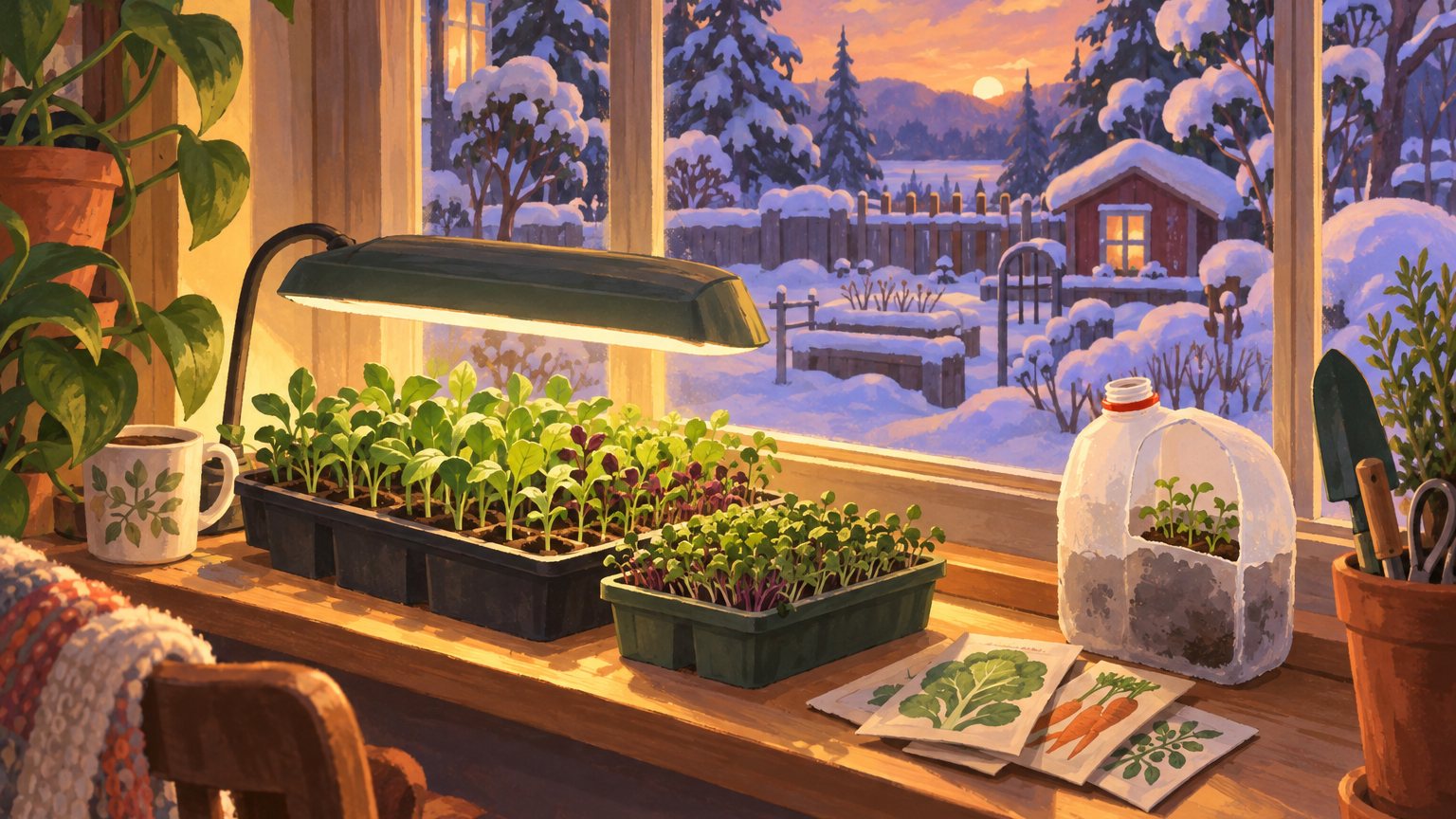
Snow on the ground doesn’t mean the gardening year has stopped. In most of Canada, winter is when the next garden really begins: greens on the windowsill, hardy seeds sown outside to wake up in spring, and the slow crops started indoors weeks before the last frost. Here is what to sow, and when, wherever you are in the country.
Five seeds to grow in Canada this winter
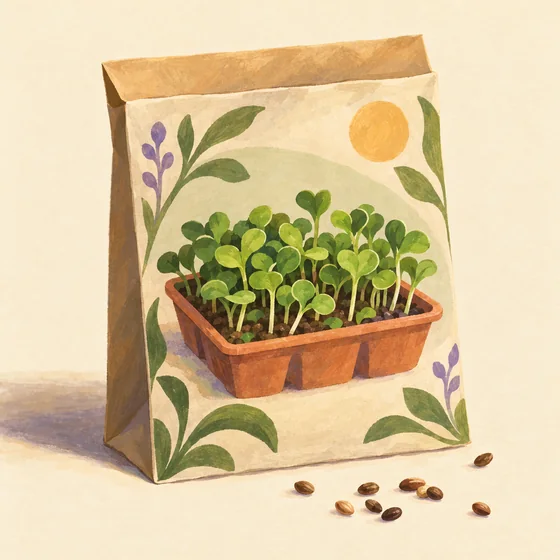
Broccoli Microgreens
The fastest harvest you can grow in a Canadian winter. Scatter the seed thickly on a shallow tray of damp soil, keep it on a bright windowsill, and you are snipping mild, crunchy greens in about ten days. One bag sows tray after tray until spring.
Buy seeds →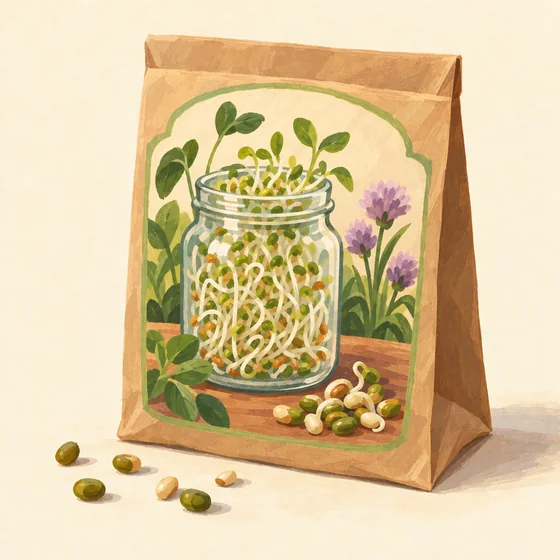
Organic Alfalfa
No soil, no light, no garden: just a jar, water and a few minutes a day. Rinse twice a day and the seed turns into fresh crunchy sprouts in under a week, perfect for sandwiches and salads when the ground is frozen.
Buy seeds →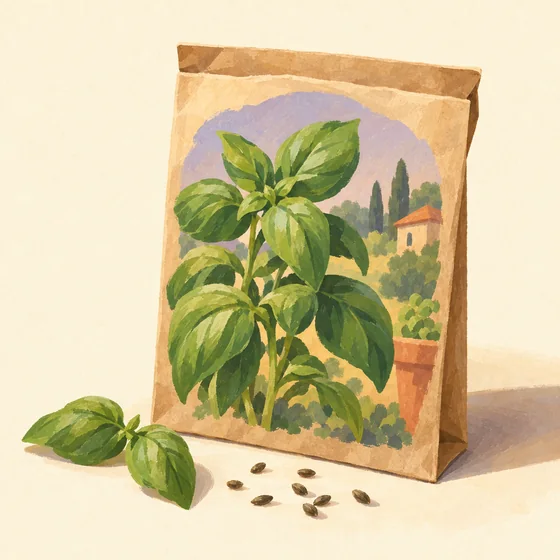
Genovese
The classic big-leaf pesto basil, and the herb most people want growing in the kitchen. Give it your warmest, sunniest window or a small grow light and pinch the tops often so it stays bushy. Start a pot now and keep sowing a few seeds every month.
Buy seeds →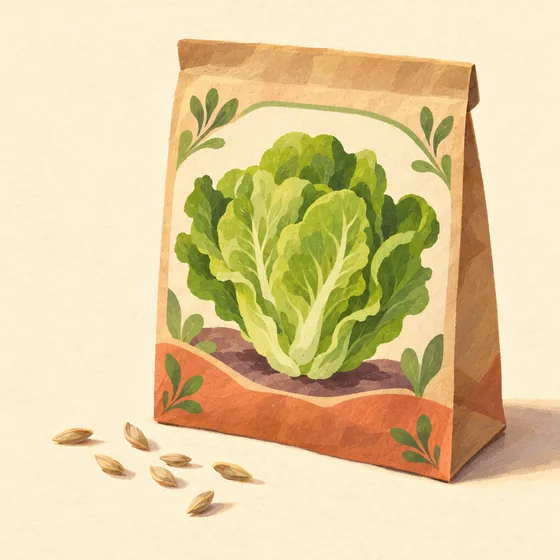
Buttercrunch
A soft, buttery head lettuce that is happy in a deep window box or under a light all winter. Pick the outer leaves and the plant keeps growing from the middle. It also handles cool spring weather outside, so the same packet carries on into the garden.
Buy seeds →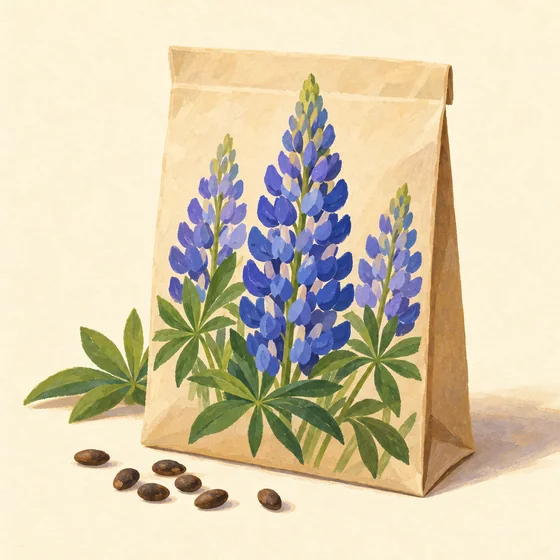
Wild Blue Lupine
A native wildflower that needs winter to wake up. Sow it outside on top of the snow, or in a covered pot on the balcony, and the freeze-thaw does the work. Tall blue spikes follow, loved by bees, and the plants come back for years.
Buy seeds →Affiliate links — buying through these helps keep Evening Vines free.
1. Grow something indoors right now
These work in every province and territory, all winter:
- Microgreens and pea shoots: ready to cut in one to three weeks from a shallow tray of soil. Sunflower, pea, radish and broccoli are the easiest.
- Sprouts: mung beans, alfalfa and lentils in a jar on the counter, ready in under a week.
- Leafy greens: loose-leaf lettuce, spinach, arugula and Asian greens in a deep window box or under a light. Pick the outer leaves and they keep growing.
- Herbs: parsley, chives, mint and oregano are the forgiving ones. Basil wants real warmth and lots of light.
- Green onions: stand the white roots of store-bought green onions in a little water or soil and they regrow.
Light is the limit. Winter days are short, and in the North the sun barely rises. A simple LED grow light kept 10 to 20 cm above the plants and left on for 14 to 16 hours a day makes the difference between leggy seedlings and sturdy ones.
2. Winter-sow seeds that need the cold
Many perennials and native wildflowers won’t come up until their seeds have been through a cold, damp winter. Winter sowing lets nature do that for you:
- Cut a clean milk jug or clear food container almost in half, leaving a hinge, and poke drainage holes in the bottom.
- Fill it with damp potting mix, sow the seeds, tape it shut and leave the cap off.
- Set it outside in the snow, somewhere it won’t blow away.
The seeds sprout on their own as spring warms up, already used to outdoor weather. Good choices: milkweed, echinacea (coneflower), black-eyed Susan, columbine, lupine, bee balm, and later in winter, hardy greens like kale and spinach. Most of Canada can winter-sow from December to February.
3. Start the slow crops in late winter
Some vegetables need a long head start indoors to crop in a Canadian summer. Count back from your last spring frost (type your postal code on our Canada page to see yours):
| Crop | Start indoors | Notes |
|---|---|---|
| Onions and leeks | 10 to 12 weeks before the last frost | Trim the tops to 10 cm so they stay sturdy |
| Celery | 10 to 12 weeks before | Slow to sprout: keep the soil moist |
| Peppers and eggplant | 8 to 10 weeks before | They need warmth to germinate: around 25°C |
| Tomatoes | 6 to 8 weeks before | Starting too early gives tall, weak plants |
| Broccoli and cabbage | 6 to 8 weeks before | Can go out a little before the last frost |
| Squash, cucumbers, melons | 3 to 4 weeks before | They dislike root disturbance: use pots |
For a garden with a last frost in mid May, that means onions in early March, peppers in mid March and tomatoes in early April. Choose short-season varieties wherever you can; our plant pages list Canadian picks for each vegetable.
4. Province by province, and the territories
BC Coast and Vancouver Island
The mildest winters in Canada. Kale, leeks, chard, spinach and Brussels sprouts keep growing outdoors through most winters, and garlic planted in fall is already rooting. In a cold frame you can sow lettuce, corn salad (mâche) and mizuna in late winter. Start onions and leeks indoors in January, and peppers in February.
BC Interior
Winters here are snowy and much colder, especially on high ground. Grow greens and herbs indoors through the dark months, winter-sow perennials in January, and start onions in late February. In the warm Okanagan and Thompson valleys, peppers and tomatoes go in under lights from March; at higher elevations, wait a few weeks longer.
Alberta
Chinooks bring winter thaws, but the frost-free season is short and nights stay cool into June. Start onions and leeks in late February or March, peppers in March and tomatoes in early April. Winter-sow native wildflowers and hardy perennials, which love the dry cold, and keep a tray of microgreens going indoors.
Saskatchewan and Manitoba
Long, very cold winters and a short, sunny summer. Prairie native flowers are made for winter sowing: put the jugs out in January or February. Start onions in March, peppers in late March and tomatoes in April, and lean on quick crops (radishes, lettuce, peas, bush beans) once spring arrives.
Ontario
In the south, around Toronto, Niagara and Windsor, winter-sow from January, start onions and leeks in February, peppers in early March and tomatoes in late March or early April. Around Ottawa, add a week or two. In Northern Ontario, frost lingers later: start everything two to three weeks after the south, and choose the earliest varieties.
Quebec
Around Montreal and along the St. Lawrence, the timing is close to eastern Ontario: onions in February or early March, peppers in March and tomatoes in April. Deep snow is a gift for garlic and perennials, keeping them insulated. Further north and on the Gaspé, push everything back a couple of weeks.
Atlantic Canada
Springs in Nova Scotia, New Brunswick, PEI and Newfoundland are cool and slow, so a cold frame or a sunny south wall gives early greens a real boost. Start onions in late February or March, peppers in March and tomatoes in April. In Newfoundland and Labrador, add a few weeks and pick cold-tolerant varieties.
Yukon, the Northwest Territories and Nunavut
Here winter growing means indoor growing, and grow lights are essential through the darkest months. Greens, herbs, microgreens and sprouts are the stars. For summer, start tomatoes, cucumbers and squash for a greenhouse or sunroom in March and April, and let the long summer days do the rest. Several northern towns have community greenhouses that are well worth joining.
5. A few winter tips
- Buy seeds early. Popular short-season varieties sell out by spring.
- Check old seed. Roll ten seeds in a damp paper towel for a week; if only five sprout, sow twice as thickly.
- Use clean pots and fresh seed-starting mix to avoid damping off, the fungus that topples seedlings.
- Harden off seedlings for a week before planting out: a few hours outside at first, a little longer each day.
Want your own dates? Type your postal code on the Canada page for this month’s planting list, worked out from the frost dates where you live.
More seeds that do well in Canada
Seeds that do well in Canada
Seeds to grow indoors this winter
 Broccoli MicrogreensMicrogreensMild, nutritious microgreens ready in about 10 days.Buy seeds →Arugula MicrogreensMicrogreensPeppery microgreens for salads and sandwiches.Buy seeds →
 Organic AlfalfaSproutsClassic crunchy sprouts in under a week.Buy seeds →Mung BeanSproutsGrow your own bean sprouts in a jar.Buy seeds →
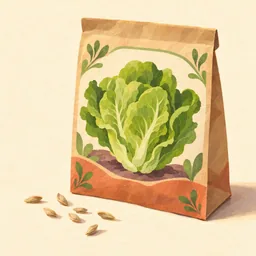 ButtercrunchLettuceSoft butterhead that holds well before bolting.Buy seeds →Black Seeded SimpsonLettuceFast, frilly leaf lettuce for cut-and-come-again picking.Buy seeds →
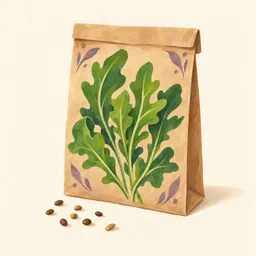 Garden ArugulaArugulaPeppery salad leaves, quick from seed in spring and fall.Buy seeds →
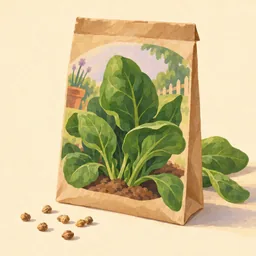 Bloomsdale Long StandingSpinachCrinkly heirloom spinach, slow to bolt.Buy seeds →Giant WinterSpinachHardy spinach for fall sowing and overwintering where winters are mild.Buy seeds →
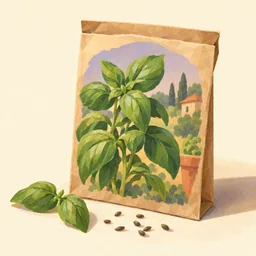 GenoveseBasilThe classic big-leaf basil for pesto.Buy seeds →ThaiBasilPurple stems and an anise flavour.Buy seeds →
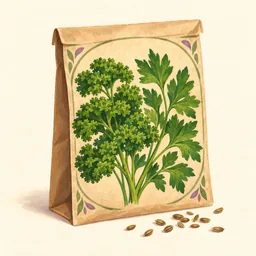 Forest GreenParsleyCurly parsley with dark leaves; reliable and productive.Buy seeds →Italian Flat LeafParsleyRich-flavoured flat parsley for cooking.Buy seeds →
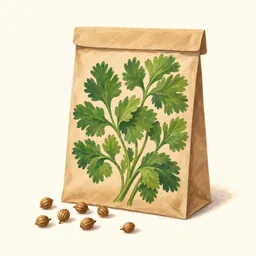 Cilantro / CorianderCilantroSow every few weeks for leaves; let some go to seed for coriander.Buy seeds →
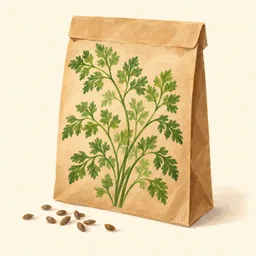 French ChervilChervilDelicate, anise-flavoured herb that likes cool weather and some shade.Buy seeds →
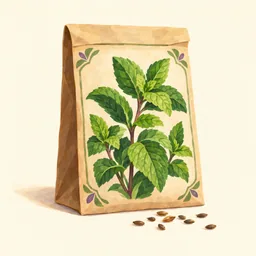 Common MintMintVigorous perennial mint; best kept in a pot.Buy seeds →
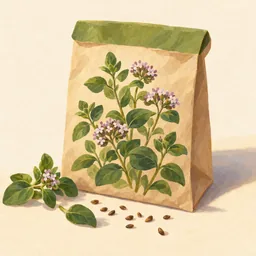 Greek OreganoOreganoThe most flavourful oregano; a hardy perennial for sunny, dry spots.Buy seeds →
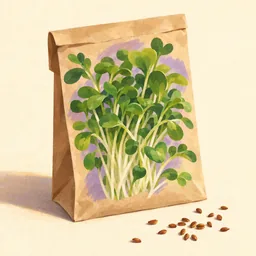 Garden Cress (Peppergrass)WatercressFast, peppery cress for indoor trays or the garden.Buy seeds →
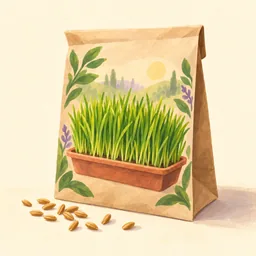 Organic WheatgrassWheatgrassGrow trays of wheatgrass indoors for juicing.Buy seeds →
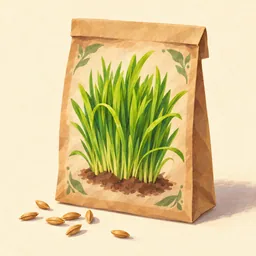 Organic Cat GrassCat GrassEasy indoor grass for cats, ready in about a week.Buy seeds →
Seeds to winter-sow outside
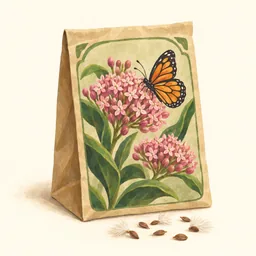 Common MilkweedMilkweedNative host plant for monarch butterflies; winter-sow it.Buy seeds →Swamp MilkweedMilkweedPink-flowered native milkweed for damp, sunny spots.Buy seeds →
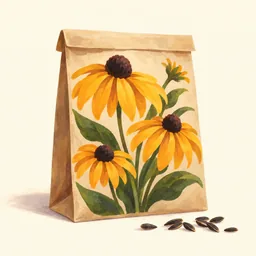 Rudbeckia hirtaBlack-Eyed SusanCheerful gold daisies, hardy and drought tolerant; great for pollinators.Buy seeds →
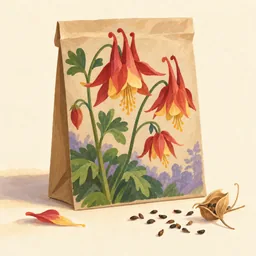 Wild Red ColumbineColumbineNative Canadian wildflower with red-and-yellow bells hummingbirds love.Buy seeds →
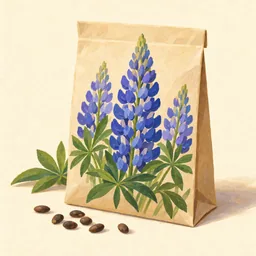 Wild Blue LupineLupineNative perennial lupine; winter-sow it for spring.Buy seeds →
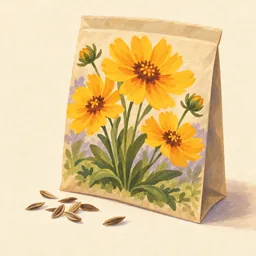 Dwarf Lance-leavedCoreopsisNative perennial with sunny yellow flowers all summer.Buy seeds →
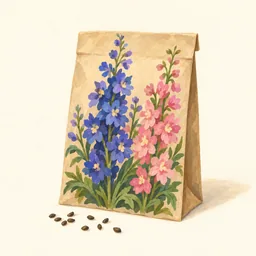 Rocket LarkspurLarkspursTall annual spires in blue, pink and white; sow in fall or early spring.Buy seeds →
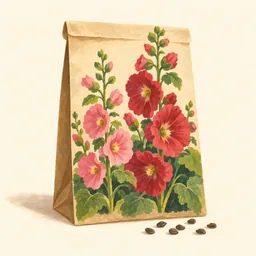 Heavenly Hollyhocks (4 colours)HollyhocksTall cottage-garden spires; a very hardy biennial.Buy seeds →
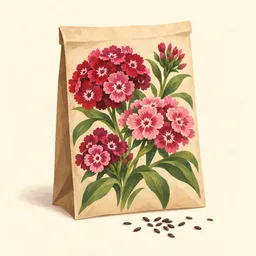 Sweet WilliamSweet WilliamOld-fashioned clusters of fragrant flowers; a very hardy biennial.Buy seeds →
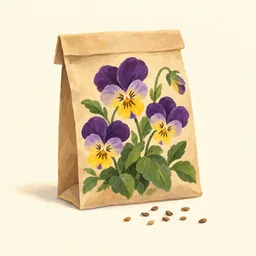 Johnny Jump UpViolaTiny purple-and-yellow violas that self-seed; very hardy.Buy seeds →
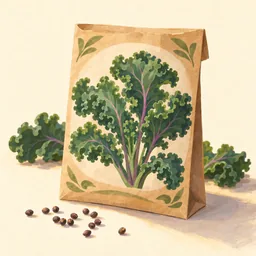 LacinatoKaleDark, flat 'dinosaur' kale with a rich flavour.Buy seeds →Dwarf Curled ScotchKaleCompact, frilly kale that keeps going after hard frosts.Buy seeds →
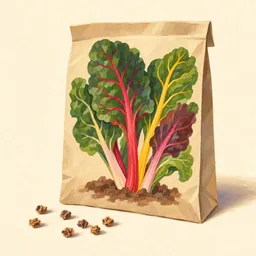 Ruby RedSwiss ChardDeep red stems and dark leaves.Buy seeds →RainbowSwiss ChardMixed colourful stems; pick leaves all season.Buy seeds →
Seeds to start indoors in late winter
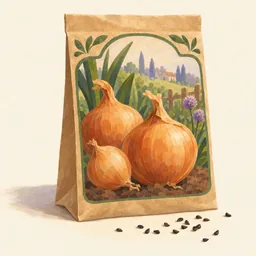 IshikuraOnionsLong white bunching onions; hardy and quick.Buy seeds →
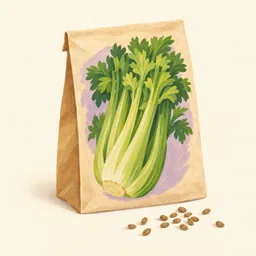 Tall Utah 52-70CeleryClassic green celery with crisp stalks; start it indoors early.Buy seeds →
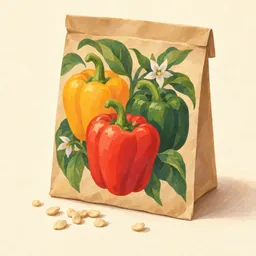 King of the NorthPeppersA bell pepper chosen for shorter, cooler summers.Buy seeds →Hungarian Hot WaxPeppersReliable mild-to-hot pepper that ripens in cool summers.Buy seeds →
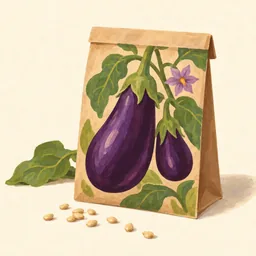 Black BeautyEggplantClassic large eggplant; needs your warmest, sunniest spot.Buy seeds →
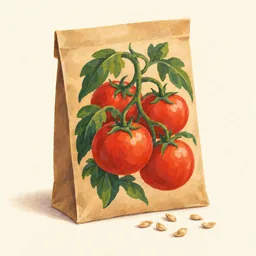 SungoldTomatoVery sweet orange cherry tomato, quick to start ripening.Buy seeds →Bonny BestTomatoAn old Canadian favourite: early, round red tomatoes on a dependable plant.Buy seeds →
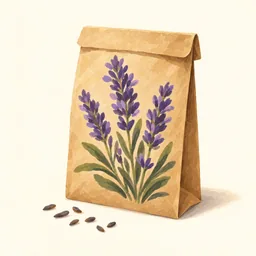 LavenderLavenderFragrant perennial lavender; start indoors early and give it sun and drainage.Buy seeds →
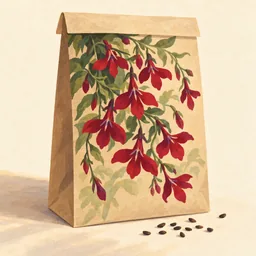 Ruby FountainLobeliaTrailing lobelia for hanging baskets and window boxes.Buy seeds →
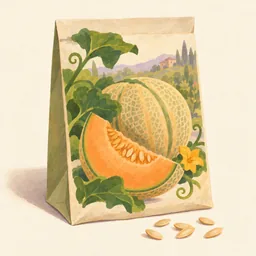 Sugar BabyMelonsSmall 'icebox' watermelon, one of the earliest.Buy seeds →Delicious 51MelonsEarly, sweet cantaloupe for shorter summers.Buy seeds →
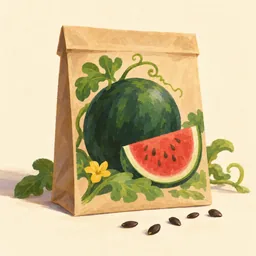 Sugar BabyWatermelonSmall icebox watermelon, one of the earliest.Buy seeds →
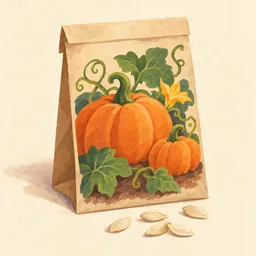 Small SugarPumpkinsThe classic pie pumpkin: sweet, smooth flesh.Buy seeds →
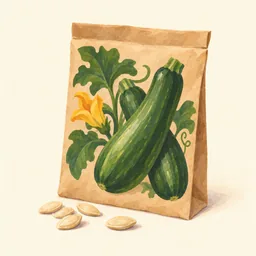 BiancaSummer SquashEarly pale-green zucchini, tender and mild.Buy seeds →
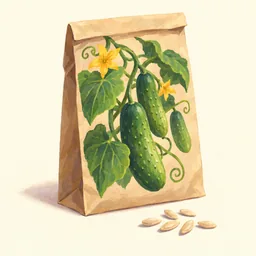 LemonCucumberRound yellow cucumbers, mild and fun to grow.Buy seeds →Marketmore 76CucumberClassic slicer with good disease resistance and a long harvest.Buy seeds →
Seeds to sow outdoors in spring
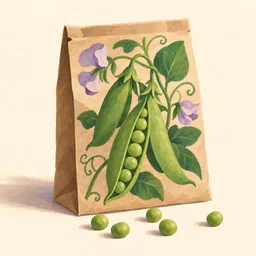 Sugar SnapPeasEat pod and all: sweet and crunchy, needs support.Buy seeds →Avalanche Snow PeaPeasHeavy-cropping snow pea with sweet, flat pods.Buy seeds →
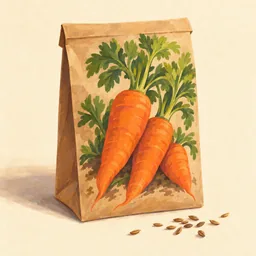 Scarlet NantesCarrotsSweet, blunt-ended carrots that suit most soils.Buy seeds →
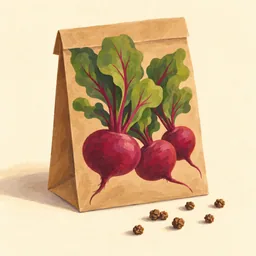 Early WonderBeetsQuick beet with plenty of tasty greens.Buy seeds →Detroit Dark RedBeetsSmooth, deep red roots; the dependable standard.Buy seeds →
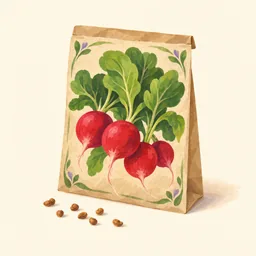 French BreakfastRadishesLong red-and-white radish with a mild bite.Buy seeds →ChampionRadishesLarge round radish that stays crisp.Buy seeds →
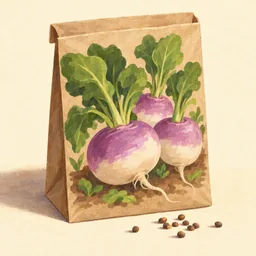 Purple Top White GlobeTurnipDependable turnip for spring and fall sowings.Buy seeds →
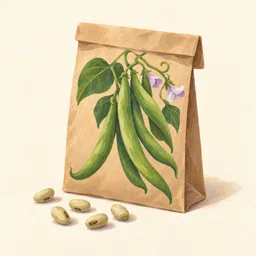 Blue LakeGreen BeansTender, stringless pole bean with classic flavour; give it a fence or trellis.Buy seeds →Kentucky WonderGreen BeansVigorous pole bean for growing up a fence or trellis.Buy seeds →
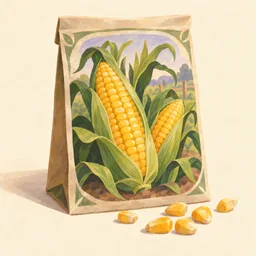 Peaches and CreamCornThe classic yellow-and-white sweet corn.Buy seeds →
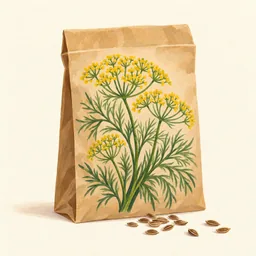 Mammoth Long IslandDillTall, leafy dill for pickling and cooking.Buy seeds →
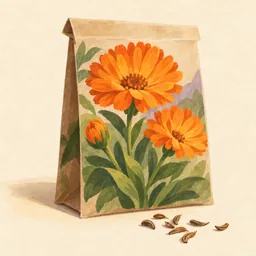 Pacific BeautyCalendulaLong-flowering orange and yellow calendula with edible petals.Buy seeds →
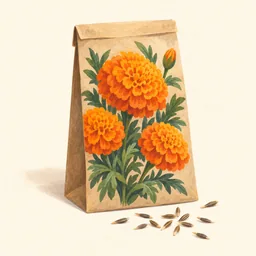 CrackerjackMarigoldsBig pompom marigolds in orange and gold.Buy seeds →
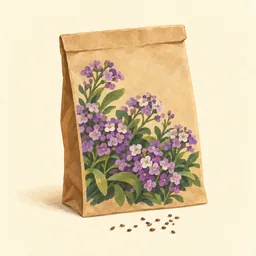 Royal CarpetAlyssumLow, honey-scented purple alyssum for edges and pots.Buy seeds →
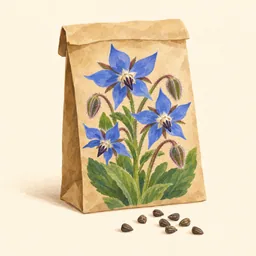 Common BorageBorageBlue star flowers bees love; the leaves taste of cucumber.Buy seeds →
Affiliate links — buying through these helps keep Evening Vines free. Every pick is a well-reviewed seed listing.








