December's short, cold days don't have to mean an empty garden. Here are three vegetables, three herbs and three flowers you can grow this month, wherever you live. Timings vary by area, so check your own zone and frost dates.
First, your zone
The USDA hardiness zone map divides the country by its coldest winter night, in 10°F steps: zone 3 is −40 to −30°F, zone 7 is 0 to 10°F, zone 10 is 30 to 40°F. Look yours up by zip code on the zones page.
- Zones 8–10 (much of the South and the West Coast): winters are mild, and most of these plants go straight outside in December.
- Zones 3–7: the ground freezes hard. December growing happens on a sunny windowsill, under grow lights, or in a cold frame.
Your zone tells you about winter cold. For timing, your average last frost date matters more.
Vegetable 1: Lettuce
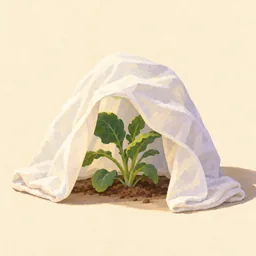
- Where: sow outside now in zones 8–10, with frost cloth for the coldest nights. In colder zones, grow baby leaves in a cold frame or under a grow light; they're ready in 3–4 weeks.
- Sow: sprinkle thinly and barely cover, about 1/8 inch. Lettuce sprouts in cool soil.
- Spacing: leaf lettuce 4–6 inches apart, heading types 10–12 inches, rows a foot apart.
- Care: shallow roots, so keep the soil evenly moist and mulch; a light nitrogen feed keeps leaves coming. In mild winters, hand-pick slugs and snails after dark.
- Harvest: pick outer leaves from about 4 inches tall, or cut the whole plant an inch above the soil for a second cut. Sow a short row every 2–3 weeks.
- Varieties: Winter Density, Arctic King, Black Seeded Simpson.
- Use: pick in the morning; wash, spin dry and keep in a bag with a paper towel for about a week.
Vegetable 2: Peas
- Where: in zones 8–10, December through February is pea season; cover them in a hard freeze. In colder zones, sow outside as soon as the soil can be worked in spring, and grow pea shoots indoors now: soak peas overnight, sow thickly in a tray, cut at 3–5 inches in 2–3 weeks.
- Types: snow (flat pods), snap (fat, crunchy pods), shelling.
- Sow: 1 inch deep, 1–2 inches apart. Don't overwater cold soil. In a new bed, a pea inoculant helps.
- Support: netting 4–6 feet tall for climbers; dwarf types reach about 2 feet.
- Care: little fertilizer; water well once they flower; mulch.
- Harvest: every 2–3 days. Snow peas while flat, snap peas when plump and crisp, shelling peas when round and glossy. Hold the vine as you pick.
- Varieties: Sugar Snap, Oregon Sugar Pod II, Little Marvel (dwarf).
- Use: raw, stir-fried, or blanched for 2 minutes and frozen.
Vegetable 3: Onions
- Choose by day length: short-day onions bulb at 10–12 hours of daylight (the South), long-day at 14–16 hours (the North), intermediate in between.
- Zones 8–10: plant short-day transplants from December into February, depending on your area, 3/4–1 inch deep (never deeper), 3–4 inches apart, rows a foot apart.
- Colder zones: start long-day seed indoors in late winter, 8–10 weeks before your last frost; trim seedlings to about 4 inches. This month, grow green onions on a windowsill, or regrow scallion roots in water.
- Care: weed and water evenly; feed with nitrogen every few weeks until bulbs start to swell.
- Harvest: when most tops fall over, stop watering, lift on a dry day and cure 2–3 weeks somewhere warm, dry and airy. Eat sweet short-day onions first; they don't store as long.
- Varieties: short-day Texas Supersweet, Granex, Red Burgundy; long-day Walla Walla, Copra.
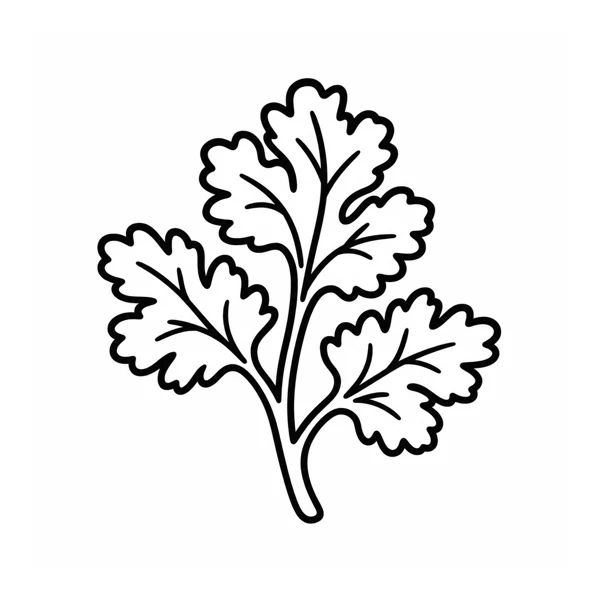
Herb 1: Cilantro
- Where: bolts in heat and long days, so December is ideal outside in zones 8–10. Elsewhere, grow it in a pot at least 8 inches deep on a sunny windowsill or under a light. More in herbs on a windowsill.
- Sow: crack the round husks gently (each holds two seeds), sow 1/4–1/2 inch deep where it will grow, thin to 3–4 inches. 1–3 weeks to sprout in cool soil.
- Care: moist, not soggy; sow again every 2–3 weeks.
- Harvest: from about 6 inches tall, cut outer stems at the base, no more than a third at a time. Let it flower for hoverflies, then save the seed: that's coriander.
- Varieties: Calypso, Santo, Leisure (slow-bolting).
- Use: leaves and stems in salsa, guacamole, curries and noodle soups. More on the Cilantro page.
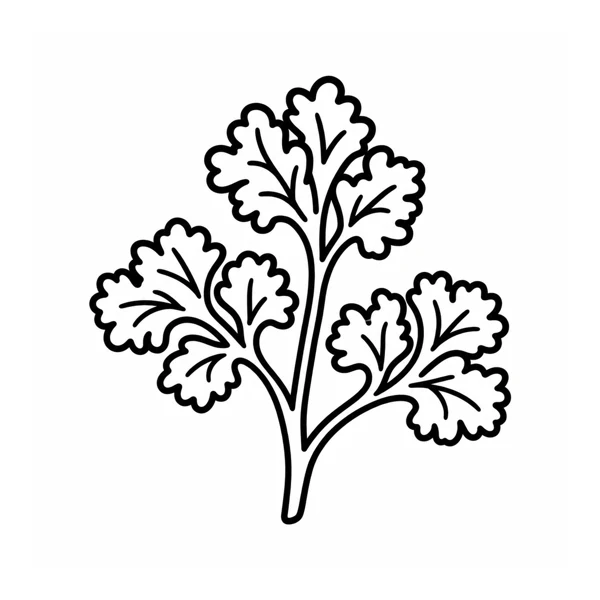
Herb 2: Parsley
- Where: very frost-tolerant. Sow or plant outside in zones 8–10; elsewhere start indoors under lights or keep a pot on a bright windowsill.
- Sow: soak seed overnight in warm water, pour the water away, sow 1/4 inch deep. It takes 2–4 weeks to sprout.
- Spacing: 6–10 inches apart.
- Care: rich soil, steady water. It flowers in its second spring, so sow fresh each year.
- Harvest: cut whole outer stems at the base. Striped caterpillars become black swallowtail butterflies; plant extra.
- Varieties: Giant of Italy (flat-leaf), Moss Curled.
- Use: tabbouleh, chimichurri, gremolata, salsa verde; freeze chopped in olive oil in ice cube trays.
Herb 3: Chives
- Cold zones: after a hard freeze, dig a small clump, pot it up, cut back the old leaves and bring it to a sunny windowsill; new shoots appear in a couple of weeks.
- Zones 8–10: chives stay green; plant or divide clumps now.
- Seed: 1/4 inch deep, 1–2 weeks to sprout; a nursery pot is quicker.
- Care: sun and regular water; divide every 3–4 years.
- Harvest: cut a handful 1–2 inches above the soil. The purple flowers are edible; deadhead before they drop seed.
- Try: garlic chives, with flat leaves, white flowers and a mild garlic flavor.
- Use: eggs, baked potatoes, soups, added at the end of cooking. More on the Chives page.
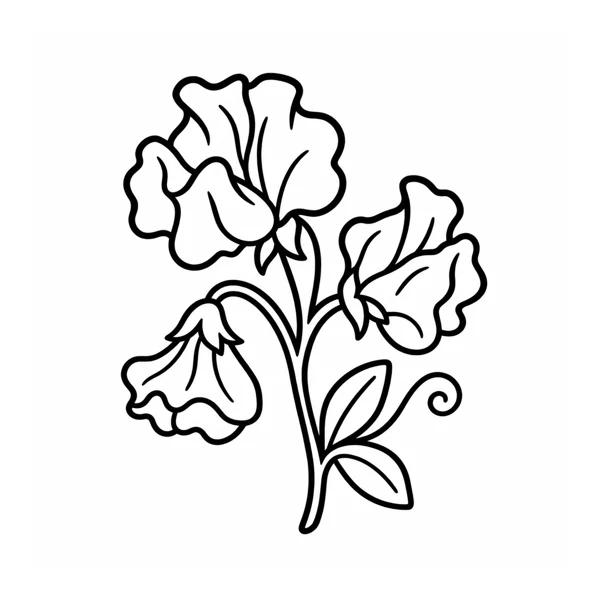
Flower 1: Sweet peas
- Not edible: the seeds are poisonous; keep them away from children and pets.
- Where: sow outside now in zones 8–10 for spring flowers. Elsewhere, start in deep pots in late winter or sow outside when the soil can be worked.
- Sow: soak or nick the hard seed, sow 1 inch deep and a couple of inches apart along a 6–8 foot support.
- Care: pinch out the tip at 3–4 pairs of leaves; rich soil, deep watering, mulch; tie young stems in.
- Harvest: cut every day or two. If seed pods form, the plant stops flowering.
- Varieties: Cupani and April in Paris for scent; Spencer types for long stems.
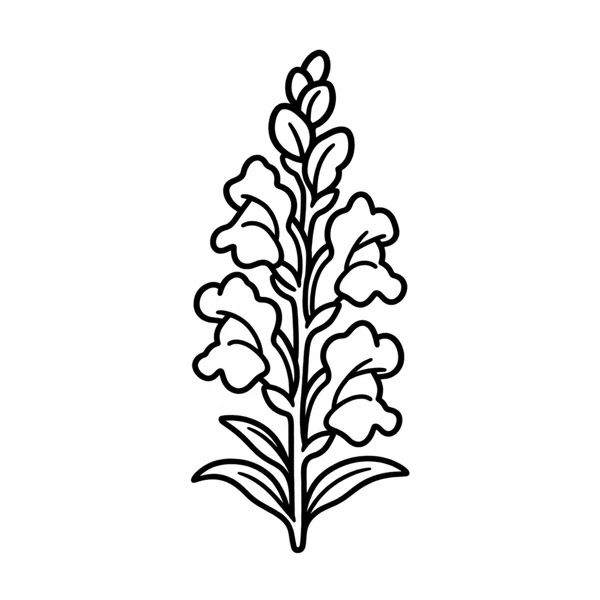
Flower 2: Snapdragons
- Where: plant now in zones 8–10 for bloom from late winter into spring. In colder zones, start seed indoors in late winter, 8–10 weeks before your last frost.
- Sow: the dust-fine seed needs light: press it onto the surface, don't cover, water from below, keep around 70°F. 1–2 weeks to sprout.
- Spacing: 6–12 inches, by variety.
- Care: pinch the tip at about 4 inches for bushier plants; stake tall types. Watch for rust (orange spots under the leaves): remove those leaves, water at the base, give them air.
- Harvest: cut for the vase when the bottom third is open; cut faded spikes back for more flowers.
- Varieties: Rocket (tall, for cutting), Snapshot (dwarf).
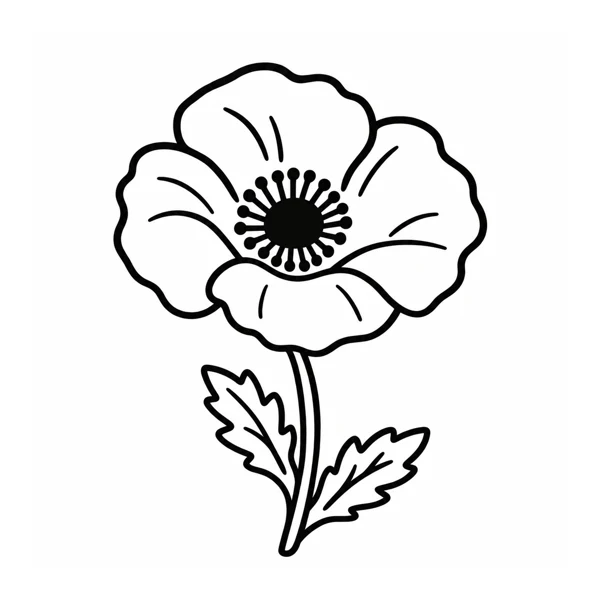
Flower 3: California poppies
- Where: in mild-winter areas, sow November through January as the winter rains begin. In cold zones, sow on bare ground in late fall or very early spring, even on snow. Or try winter sowing in milk jugs.
- Sow: right where they'll bloom; rake, scatter the seed (mixed with a little sand), press in, don't bury. Thin to several inches apart.
- Care: full sun, poor to average well-drained soil, no fertilizer, little water.
- Bloom: flowers close at night and on cloudy days. Deadhead to keep them coming, then let a few set seed for next year.
- Varieties: the classic orange, Mission Bells, Thai Silk.
Sources: USDA Plant Hardiness Zone Map; Texas A&M AgriLife (onions); UF/IFAS (cool-season herbs and vegetables); Illinois Extension (chives); UC Master Gardeners (California poppies); University of Minnesota and Clemson HGIC extension guides; seed-catalog variety descriptions.