
Black-Eyed Susan
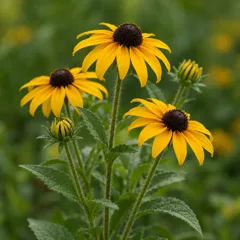
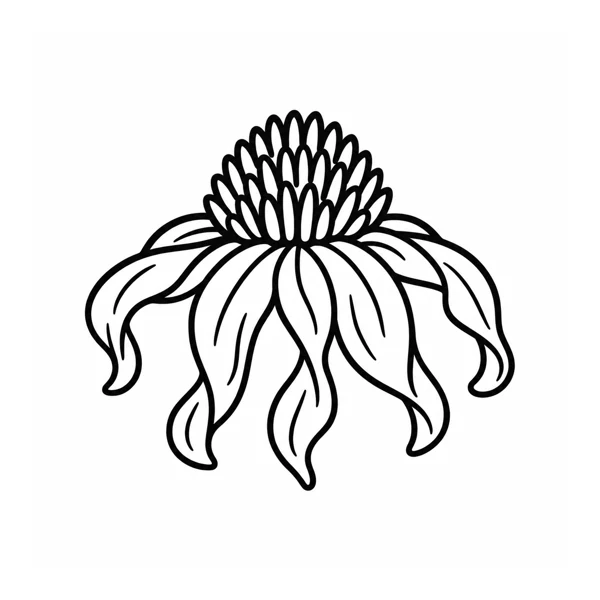
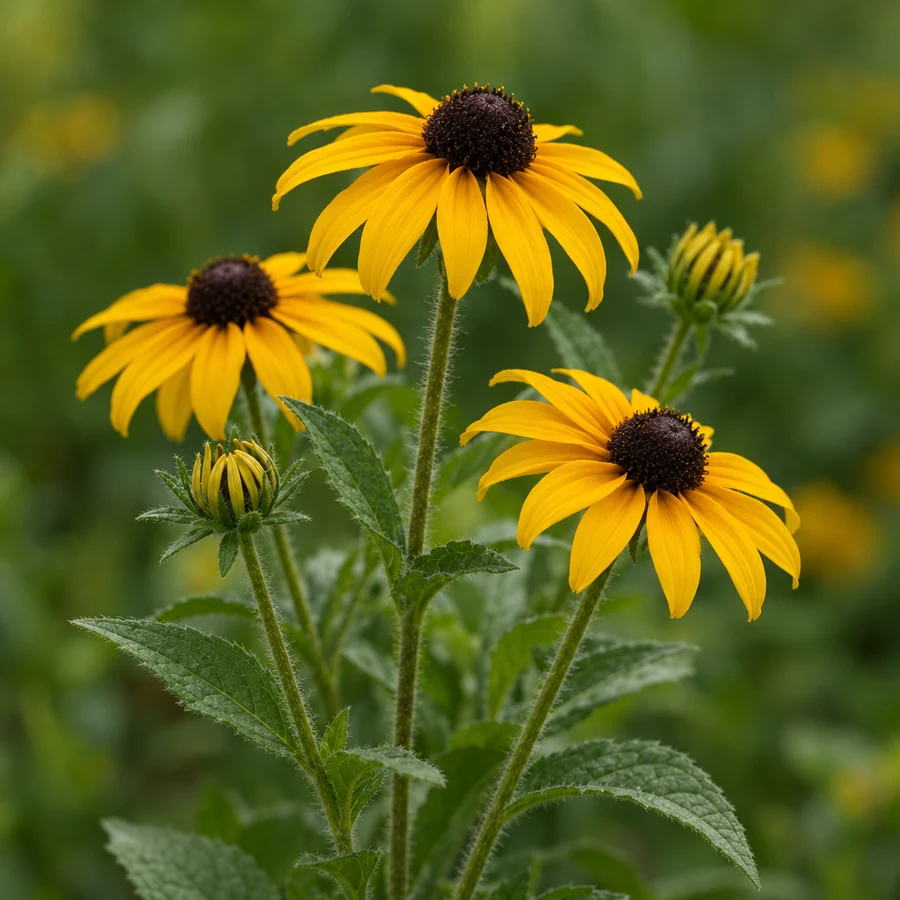
Black-eyed Susan is a sunny native wildflower with golden-yellow petals around a dark brown center. It grows 1 to 3 feet tall and blooms for weeks, from midsummer into fall. It thrives in meadows, borders, and prairie plantings and needs very little care.
It's a great plant for wildlife. Bees and butterflies visit the flowers, and goldfinches eat the seeds in fall. It puts up with heat, dry spells, and most well-drained soils, clay and sand included, so it's an easy first flower for a new gardener.
Recent community discussions
No one has talked about Black-Eyed Susan yet. Be the first.
At a glance
| Plant type | Native wildflower, perennial border plant |
| Botanical name | Rudbeckia hirta (also R. fulgida, R. triloba) |
| Annual or perennial | Short-lived perennial or biennial; often grown as an annual |
| Sun | Full sun to light shade |
| Water | Moderate; drought tolerant once established |
| Spacing | 12 to 18 inches |
| Planting depth | Surface sow, barely covered |
| Days to germinate | 10 to 21 |
| Days to maturity | Blooms in the first year if sown early |
| Best USDA zones | 3 to 9 |
| Soil pH | 6.0 to 7.0; adaptable |
Is it black-eyed susan weather where you are? See everything to plant this month or read your zone notes.

Sow outdoors in spring after last frost or in late summer for blooms next year. Indoors: start 6–8 weeks before transplanting.

Germinates in 7–14 days; blooms in 70–100 days; self-seeds.

Zones 3–9, July?October; in warm zones May?September; indoors year-round under lights.

Light, sandy or gravelly soils, pH 6.0–7.5. Tolerant of poorer soils but flowers best in moderately fertile soil.
Pests to watch for






A little history
Black-eyed Susan is native to central and eastern North America. Carl Linnaeus named the genus Rudbeckia after two Swedish botanists, a father and son: Olof Rudbeck the Elder and Olof Rudbeck the Younger. It was the son, a professor at Uppsala, who taught the young Linnaeus and took him into his home. Black-eyed Susan has been the state flower of Maryland since 1918. Today it's a garden staple, with many bred cultivars.
When to sow in your zone
Spring: Sow indoors 6 to 8 weeks before the last frost, or outdoors around the last frost date. The seeds need light, so don't bury them. Plants started early often bloom the first year.
Fall: Sow outdoors in late fall or winter so the cold primes the seed, and it will sprout in spring. Milk-jug sowing works well too (see winter sowing in milk jugs). Your zone page shows when the ground cools enough for fall sowing where you live.
Growing it, step by step
From seed
Press the seed onto the surface of moist mix, or onto bare, loosened soil outdoors, and keep it evenly moist until it sprouts.
Moving it outside
Harden off for a week, then plant out after the last frost, 12 to 18 inches apart. Keep the plants moist for the first few weeks. Nursery plants can go in in spring or early fall.
Water
Water regularly until the plants are established. After that they handle dry spells, though a deep soak every week or two helps in long droughts.
Mulch
A thin layer of mulch keeps weeds down. Keep it away from the crown.
Feeding
A little compost in spring is plenty. Rich soil makes plants tall and floppy.
Keeping it happy
Deadhead for more blooms (our deadheading notes show how), or stop in late summer and let seed heads form for the birds and for self-sowing. Pinch tall plants in early summer to make them bushier. Cut the stems back in late winter. Divide perennial clumps every 3 to 4 years.
Trouble in the bed
Pests
- Aphids: Spray them off with water or use insecticidal soap.
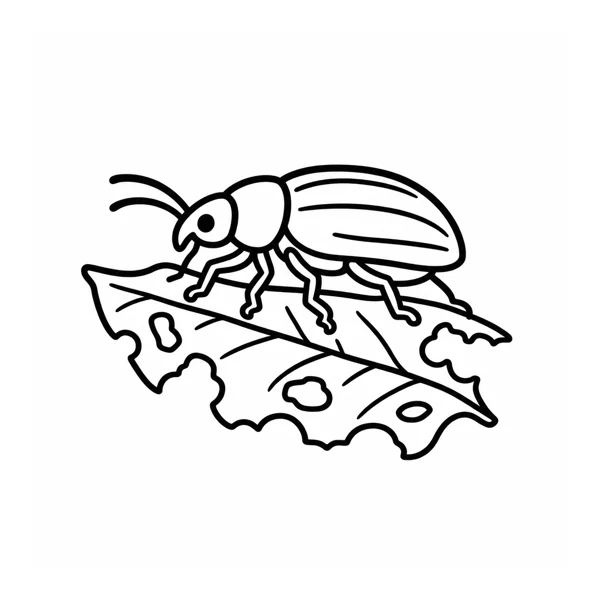
- Four-lined plant bug: A yellow-green bug with four black stripes. It leaves small sunken spots on new leaves in late spring and early summer. Plants usually grow past the damage; hand-pick or use insecticidal soap if there are lots.
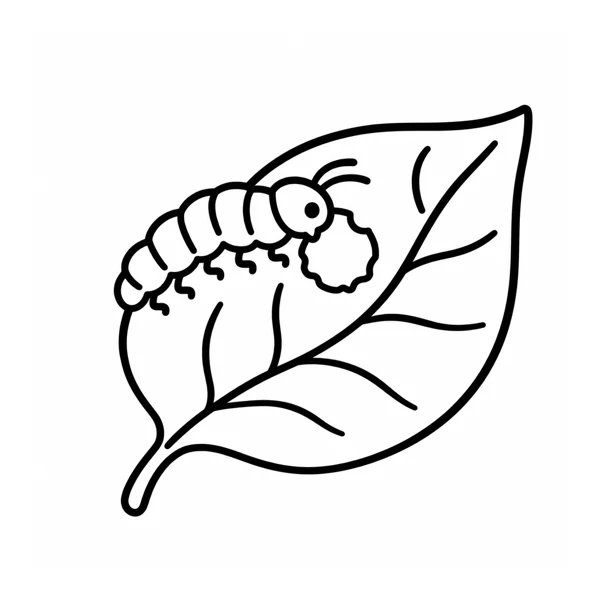
- Sawfly larvae: Gray, striped, caterpillar-like grubs that chew the leaves at night in late spring. Pick them off by flashlight.
- Spider mites: Look for fine yellow speckling and webbing under the leaves in hot, dry weather. A strong spray of water knocks them back.
- Slugs and snails: They go for young plants. Hand-pick in the evening or use iron phosphate bait.
- Rabbits: They nibble young shoots. Fence or cover new plantings until they toughen up.
Diseases
- Septoria leaf spot: Dark spots on the lower leaves. Remove infected leaves and clear the debris in fall.
- Powdery mildew: Give plants space and water at the base.
- Aster yellows: Stunted, yellowed plants with odd green flowers. Pull and destroy infected plants so leafhoppers can't spread it.
Good neighbors







Good: Purple coneflower, bee balm (such as wild bergamot), ornamental grasses, asters, liatris, and salvia. They like the same sun and lean soil, and together they make a long-flowering patch for pollinators (see sow a pollinator border).
Avoid: Plants that need rich, constantly moist soil.
Seeds that grow well in your area in November
Affiliate links — shopping through these helps keep Evening Vines free. Wild Lupine
 Common Milkweed
 PansySeeds
 PhloxSeeds
Varieties worth growing
- Indian Summer: Large gold flowers on tall plants, great for cutting.
- Cherry Brandy: Deep red petals with a dark center.
- Prairie Sun: About 3 feet tall with 5-inch flowers and a light green eye. The petals are deep gold near the center and fade to lemon at the tips. An All-America Selections winner in 2003.
- Cherokee Sunset: Double and semi-double blooms in rust, bronze, and mahogany.
- Goldsturm: A long-lived perennial type (R. fulgida) for zones 3 to 9.
- Irish Eyes: Also green-eyed, but with smaller, plain yellow flowers, and it starts blooming a little earlier than Prairie Sun.
Black-Eyed Susan seeds to buy
Affiliate links — shopping through these helps keep Evening Vines free. Black-Eyed SusanSeeds
Picking notes
Cut flowers in the morning once the petals are fully open, and put them straight into water. They hold up well in a vase, often for well over a week. Leave the late-season flowers on the plant for the birds.
Saving seed for next year
Let the flower heads dry on the plant until the centers turn brown and hard. Cut them, finish drying them in a paper bag, then rub out the seed. Store it cool and dry. Cultivars may not come true from seed. Our seed saving notes cover drying and storing.
From garden to table
Black-eyed Susan is grown for its flowers and wildlife value, not for food. In the garden it earns its place in meadows, borders, cut-flower beds, and containers, and the seed heads feed goldfinches into fall.
Questions from the potting bench
Will my black-eyed Susans be back next summer? Many types are short-lived perennials that return for a few years. Others behave as annuals or biennials, but they drop plenty of seed, so new plants usually turn up nearby.
Will it spread? Yes, by seed, and some types by roots. Unwanted seedlings are easy to pull.
Why are my plants flopping? Rich soil, shade, or too much fertilizer. Give them full sun and lean soil.
Grower reports
How did Black-Eyed Susan do in your garden? Members rate it and say which zone and month they planted, so everyone can see what works near them.
Recent community discussions
No one has talked about Black-Eyed Susan yet. Be the first.
Seeds to try
Affiliate links — shopping through these helps keep Evening Vines free.Essentials for Growing Black-Eyed Susan
 Grow Bags
Breathable fabric pots: grow almost anything on a patio, balcony or driveway, and roots never circle.
See it →
 Pruning Shears
Sharp bypass pruners for harvesting, deadheading and tidying.
See it →
 Seed Starting Tray
Reusable tray with a clear dome to give seeds a warm, humid start indoors.
See it →
 Garden Kneeler
A kneeling pad that flips into a seat: easier on knees and back.
See it →
 Plant Labels
Waterproof markers so you know what's coming up where.
See it →
 Organic Fertilizer
Slow-release organic plant food for vegetable beds and containers.
See it →
