
Brocolli
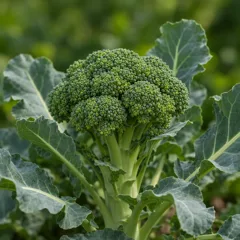
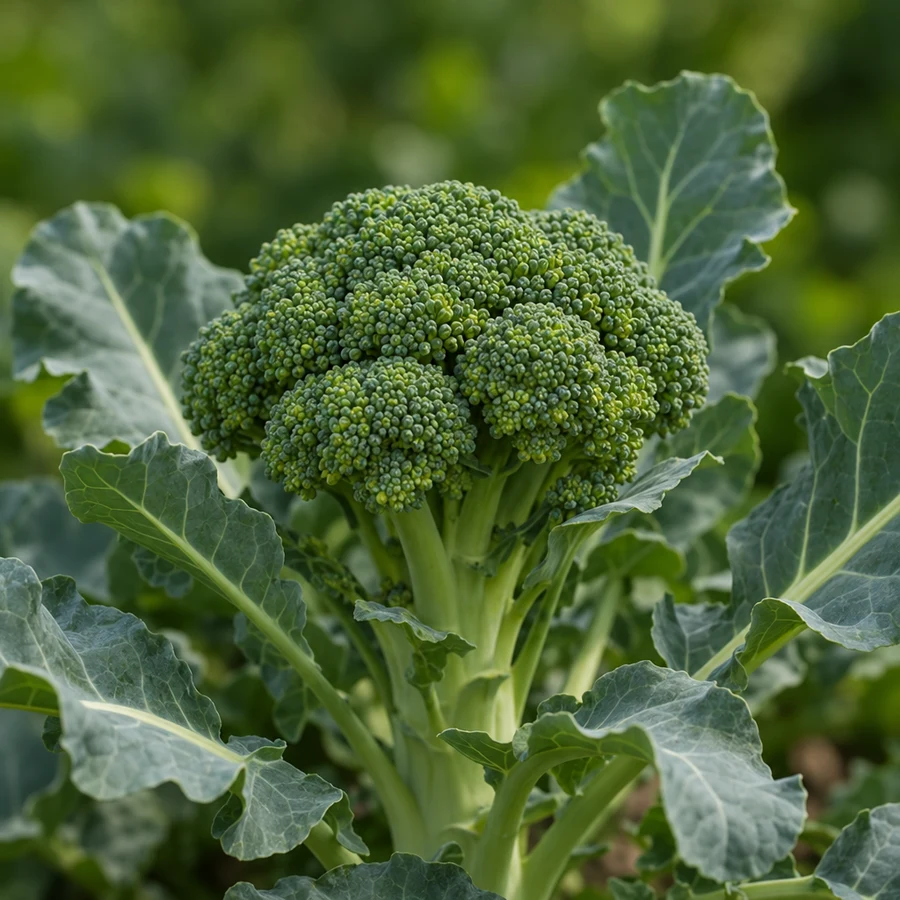
Broccoli is a hardy, cool-season vegetable grown for its tight green flower heads. After you cut the main head, most varieties send up smaller side shoots for weeks. The plants grow 2 to 3 feet tall, with big blue-green leaves.
It likes cool weather and rich, moist soil. Heat and stress make the heads loose and bitter, so timing matters, but home-grown broccoli is sweet and tender and well worth the effort.
Recent community discussions
No one has talked about Brocolli yet. Be the first.
At a glance
| Plant type | Cool-season vegetable |
| Botanical name | Brassica oleracea var. italica |
| Annual or perennial | Biennial, grown as an annual |
| Sun | Full sun |
| Water | 1 to 1.5 inches per week, evenly |
| Spacing | 18 inches |
| Planting depth | 1/4 to 1/2 inch |
| Days to germinate | 5 to 10 at 65 to 75°F (longer in cool soil) |
| Days to maturity | About 55 to 80 from transplant |
| Best USDA zones | 3 to 10 as a seasonal crop |
| Soil pH | 6.0 to 7.0 |
Is it brocolli weather where you are? See everything to plant this month or read your zone notes.

Start indoors 6–8 weeks before last frost, transplant 2–3 weeks before last frost. For fall crops, sow midsummer (Zones 6–9).

55–100 days.

Zones 3–9, late spring?early summer or fall, depending on planting time.

Grows best in fertile, clay loam or silty loam, pH 6.0–7.0. Requires high organic matter.
Pests to watch for




Diseases


A little history
Broccoli was developed from wild cabbage in Italy, and its name comes from the Italian word for "little sprouts." It reached America in the 1700s, and Thomas Jefferson grew it at Monticello, but it didn't become widely popular in the US until the 1920s.
When to sow in your zone
Spring: Start seed indoors 6 to 8 weeks before the last frost and transplant 2 to 3 weeks before it. Choose early varieties so the heads form before hot weather. Our post on starting cabbage and broccoli indoors walks through it step by step.
Fall: Fall crops are often better, because the heads ripen as the nights cool. To find your sowing day, work backward from your first fall frost. Take the days to maturity on the seed packet, add about 5 weeks for the seedlings to reach transplant size, then add 2 more weeks, since plants slow down as fall days shorten. A 60-day variety comes to roughly 110 days, so that's when to sow indoors; plant out about 5 weeks later. In zones 8 to 10, transplant in fall for harvests through winter and spring.
Not sure of your frost dates? Look up when to plant broccoli in your zone, and see count back from last frost for the same method in spring.
Growing it, step by step
From seed
Sow seed 1/4 to 1/2 inch deep in cell trays at 65 to 75°F. After the seedlings sprout, grow them cooler and in strong light so they stay stocky.
Moving it outside
Harden off for a week. Plant at the same depth as in the pot, or slightly deeper, 18 inches apart in rows 2 to 3 feet apart. Cover with row cover.
Water
Give 1 to 1.5 inches a week. Even moisture prevents loose heads.
Mulch
Apply 2 to 3 inches of mulch to keep the roots cool and moist.
Feeding
Broccoli is a heavy feeder. Work in compost before planting, and side-dress with an organic nitrogen fertilizer about three weeks after transplanting.
Keeping it happy
Weed carefully, because the roots are shallow. Keep row cover on from planting to keep out cabbage moths. Cut the main head before the buds open, then keep picking side shoots. Rotate brassicas so they don't grow in the same spot more than once every 3 to 4 years.
Trouble in the bed
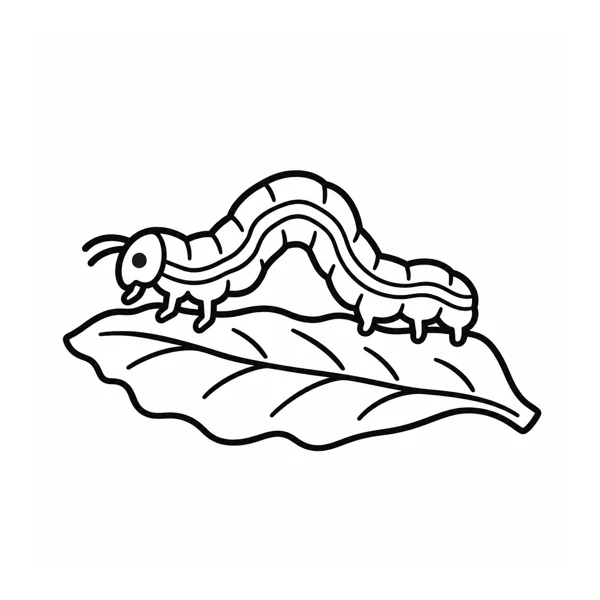
- Cabbage worms and loopers: Use row cover, hand-pick, or spray Bt.
- Aphids: Spray them off with water or use insecticidal soap.
- Flea beetles: Use row cover and keep plants watered.
- Cutworms: Put collars around the stems.
- Clubroot: Rotate crops and keep the soil pH near neutral.
- Black rot and downy mildew: Use clean seed, rotate, and water at the base.
Good neighbors

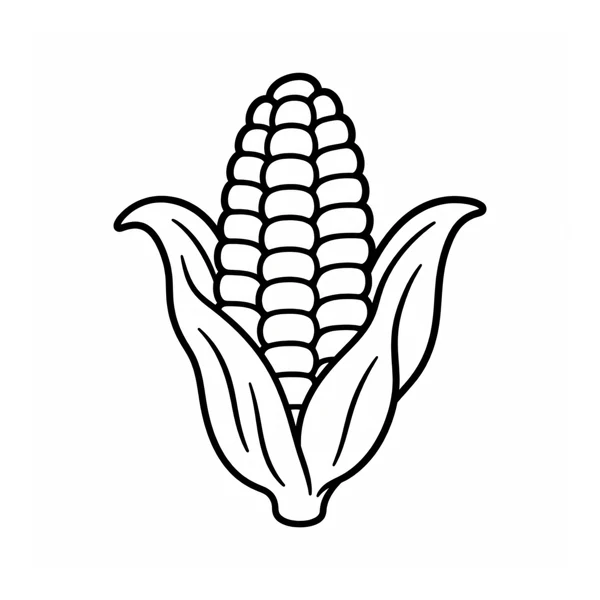
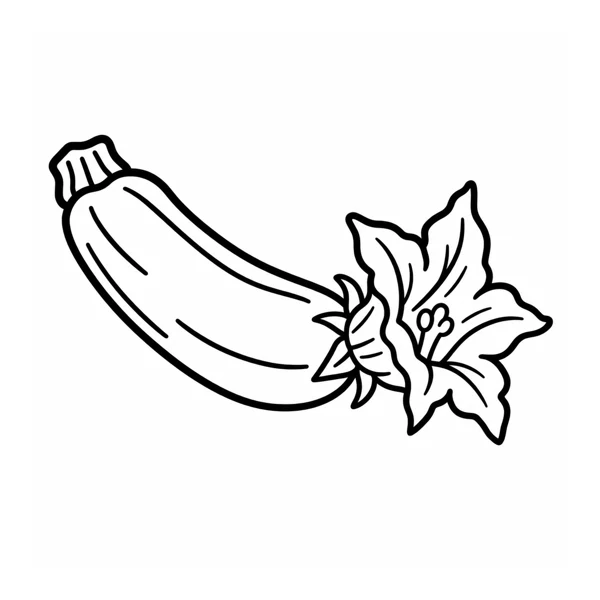


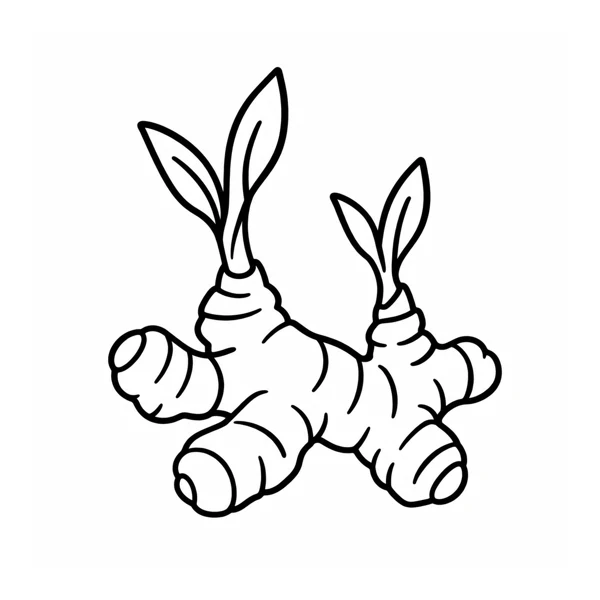
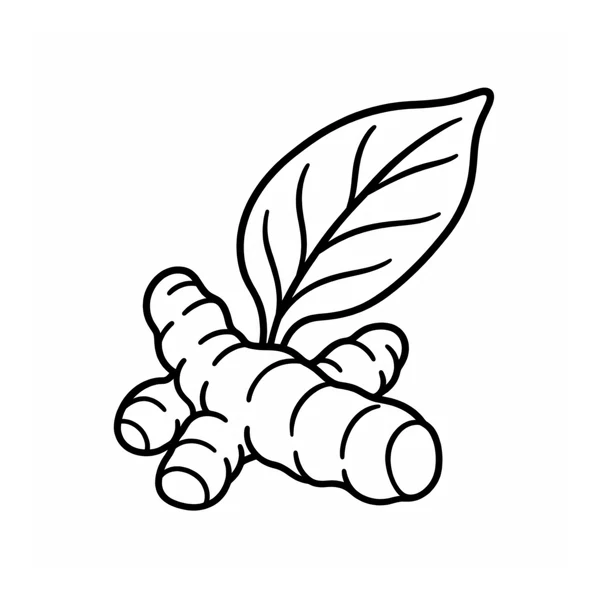
Good: Onions, garlic, dill, celery, beets, chamomile, potatoes, lettuce, nasturtiums, and marigolds. Lettuce fits in the gaps while the broccoli is small, and nasturtiums tend to draw aphids away from it.
Avoid: Following other brassicas in the same bed.
Seeds that grow well in your area in November
Affiliate links — shopping through these helps keep Evening Vines free. Smooth Blue Aster
 Polka Dot Mix
 Black-Eyed SusanSeeds
 ColumbineSeeds
Varieties worth growing
- Calabrese: A classic Italian type with a large central head.
- De Cicco: An heirloom with lots of side shoots.
- Waltham 29: Cold-hardy and reliable, good for fall. Seeds
- Green Magic: Heat tolerant and quick.
- Packman: Early and productive for spring.
- Purple Sprouting: An overwintering type for mild zones.
Brocolli seeds to buy
Affiliate links — shopping through these helps keep Evening Vines free.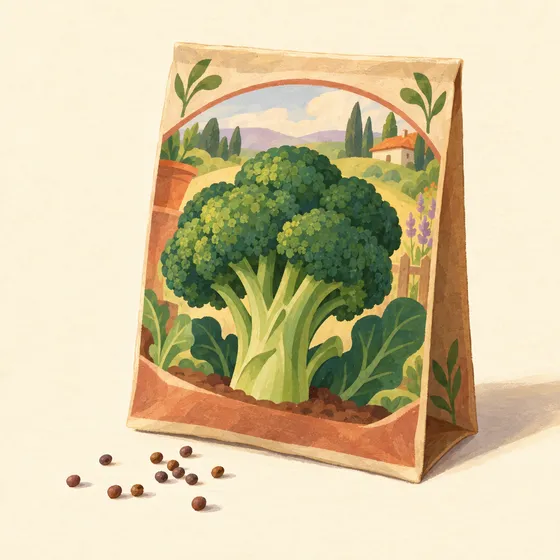 Waltham 29
Picking notes
Once the head reaches a good size, check it every day or two, because it can go from ready to over in a short warm spell. Pick it while the little beads are still packed tight and deep green. Any hint of yellow means the flowers are about to open, so cut it that day. If you can, pick while the plant is cool and crisp, early in the day.
Use a sharp knife and leave a good stub of stem with its leaves on the plant: that's where the side shoots grow from. Angle the cut so rain doesn't pool on the stub and rot it. The side shoots come in smaller, about 3 to 4 inches across, and keep coming for weeks if you keep cutting. More on that in cut broccoli and keep the side shoots coming.
Saving seed for next year
Broccoli cross-pollinates with every other Brassica oleracea crop, including cabbage, kale, cauliflower, collards, and Brussels sprouts. Insects carry the pollen, so keep your seed crop about half a mile from any of them that are flowering, or grow just one type that year.
Broccoli is also largely self-incompatible, which means one plant on its own sets little or no seed. Let at least 6 plants flower together (20 or more is better, and keeps the variety from weakening over the years). Leave the pods on the plants until they turn tan and dry, then collect them. Hybrids won't come true from seed, so save from open-pollinated varieties such as De Cicco or Waltham 29. See saving seeds from your garden for drying and storing.
From garden to table
Broccoli is rich in vitamins C and K, fiber, and folate. Eat the florets raw, steamed, roasted, or stir-fried. Peeled stems are delicious, and the leaves cook like collards.
Questions from the potting bench
Why is my broccoli head loose? Heat, dry spells, or too much nitrogen. Plant it to mature in cool weather.
Do I pull the plant after the main head? No. Leave it in and harvest side shoots for weeks.
Why are the heads small? Poor soil, crowding, or stress. Plant in fertile soil and keep it moist.
Grower reports
How did Brocolli do in your garden? Members rate it and say which zone and month they planted, so everyone can see what works near them.
Recent community discussions
No one has talked about Brocolli yet. Be the first.
Seeds to try
Affiliate links — shopping through these helps keep Evening Vines free.Essentials for Growing Brocolli
 Grow Bags
Breathable fabric pots: grow almost anything on a patio, balcony or driveway, and roots never circle.
See it →
 Seed Starting Tray
Reusable tray with a clear dome to give seeds a warm, humid start indoors.
See it →
 Garden Hand Tools
Trowel, transplanter and cultivator: the three tools you reach for most.
See it →
 Organic Fertilizer
Slow-release organic plant food for vegetable beds and containers.
See it →
 Watering Can
Long-spout can for gentle watering of seedlings and pots.
See it →
 Pruning Shears
Sharp bypass pruners for harvesting, deadheading and tidying.
See it →
