
Chirimoya
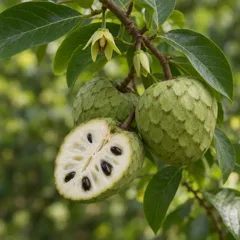
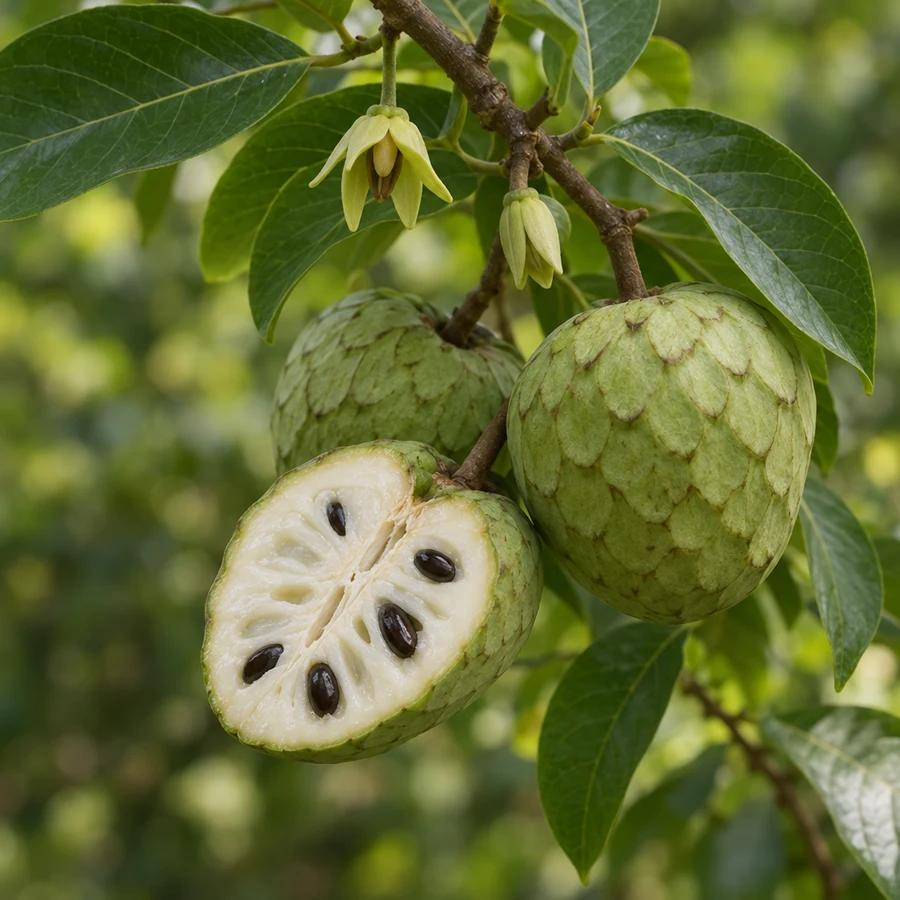
Chirimoya is a subtropical fruit tree from the high valleys of the Andes, and most American shoppers know it by its other spelling, cherimoya. The fruit is heart-shaped with green skin that can be smooth with "fingerprint" marks or covered in little bumps. Inside is soft, pale flesh around a row of big dark seeds. Eat the flesh with a spoon and leave the skin and seeds alone (see the safety note under Nutrition and Uses).
It is not a beginner's tree, and it is fussy about where it lives. It wants mild winters with only the lightest frost, cool nights and no tropical steam bath. In the US that means coastal and foothill gardens in Southern California, a few warm spots farther north, and the frost-free corners of zones 10 and 11. If you are in zone 10 or zone 11, read on. If you are colder, check your zone first; this one will break your heart in a cold snap.
Recent community discussions
No one has talked about Chirimoya yet. Be the first.
At a glance
| Category | Fruits |
| Also called | Cherimoya (Annona cherimola) |
| Zones | 10 to 11; 9b only with frost protection |
| Frost | New growth hurt at about 29°F, mature trees badly hurt at about 25°F |
| Height | Up to about 30 ft unless pruned |
| Spacing | 25 to 30 ft between trees |
| Light | Full sun, best with marine air and cool nights |
| Soil | Well drained, medium soil, pH 6.5 to 7.6 |
| Years to fruit | Grafted trees 2 to 3 years; seedlings 3½ to 5 years |
| Harvest | October to May (California) |
Is it chirimoya weather where you are? See everything to plant this month or read your zone notes.

Sow fresh seeds in late spring to early summer. Best in subtropical Zones (9–11); protect from frost in cooler climates.

3–5 years to fruit; 5–8 months from flower to ripe.

Zones 9–11, Oct?Apr; harvest when slightly soft; in cooler zones grow in pots/greenhouse.

Prefers deep, fertile silty loam, pH 6.0–7.5. Needs good drainage.
Pests to watch for

Diseases
Mateo is researching the diseases that affect this plant.
A little history
The tree is believed to come from the inter-Andean valleys of Ecuador, Colombia and Bolivia. Some sources include Peru, but that part is still argued over. People there grew and ate it long before Europeans arrived.
It reached Spain in 1757, in the 18th century, and stayed a backyard tree there for a long time. Today Spain's Costa Tropical, along the Granada and Málaga coast, is the biggest grower in Europe. In California, seed from Mexico was planted in Carpinteria in 1871, and named varieties followed in the 1920s to 1940s.
When to sow in your zone
Here's the honest part first: named varieties do not come true from seed. A seedling may take five years to fruit and could turn out bland. Most gardeners are better off buying a grafted tree of a named variety (see Varieties). Seedlings are still useful as rootstocks if you want to try grafting.
If you do sow:
- Sow in spring once nights stay warm. Soak the seeds in water for a day or more and throw out any that float.
- Cover them with about 1 inch of mix and keep them warm and just moist.
- Expect sprouts in 3 to 6 weeks. With 70°F bottom heat it's often about 21 days; without it, closer to 40.
- When seedlings are about 3 inches tall, move them into deep pots (about 18 inches deep) so the long taproot isn't bent.
- In frost-free gardens, set seedlings in their final spot in fall and graft them in place the next spring.
Growing it, step by step
Where it will (and won't) grow
Pick the sunniest, most frost-free spot you have, ideally facing south. It does best a few miles inland from the coast, where it gets cool sea air without constant wind. Avoid hot pockets against walls, since leaves and fruit can sunburn, and give it shelter from strong ocean or Santa Ana winds. It needs a short spell of winter chill (roughly 50 to 100 hours) and long days. It does poorly in hot, humid lowland tropics and in the desert.
Bringing it in from abroad: seeds, cuttings and plants from another country are regulated by the USDA (APHIS). Most live plants need a permit and inspection, small seed lots usually need paperwork too, and fruit or seeds carried home in a suitcase are often seized at the border. Buy plants or seed from a US nursery instead. Hawaii and Puerto Rico add rules of their own.
Soil and planting
Medium soil of moderate fertility is ideal, with a pH of 6.5 to 7.6. It tolerates light or heavy soils, but wet clay leads to root and crown rot. Raise the planting area or choose another spot if water sits after rain. Space trees 25 to 30 feet apart.
What about pots?
Cherimoya is not a good container tree. It grows a deep taproot, wants to be 20 to 30 feet tall, and needs real space to crop. You can keep a young tree in a deep pot for a year or two, or move it into a greenhouse in a cold winter, but don't expect a pot-grown tree to fruit well.
Playing bee: hand-pollinating
Each flower opens as a female first and turns male later, so it rarely pollinates itself. In its home valleys, small beetles do the work. In California those beetles are missing, so fruit set depends on you.
- In the early evening, use a small soft brush to gather pollen from flowers in the male stage (shedding powdery pollen) into a small jar.
- Brush it at once onto flowers in the female stage (newly opened, petals only partly apart). Or keep the pollen in the fridge overnight and do this next morning.
- Repeat every 2 to 3 days through the main flowering, which can run 2 to 3 months. Work on flowers you can reach easily inside the canopy, where fruit is protected.
- If too many fruits set, thin some so the rest size up.
Fruit ripens roughly 5 to 7 months after pollination.
Keeping it happy
- Water: Water deeply while the tree is growing, about every two weeks from spring onward in dry climates. Give little or none while it's dormant in winter. Never keep the soil soggy. Drip works well.
- Feed: A balanced fertilizer such as 8-8-8 in midwinter, then about every three months, increasing a little each year until the tree bears. Yellow leaves often mean cold or dryness, not hunger.
- Prune: Prune in the dormant season. The wood is brittle, so build two or three strong main branches low on the young tree. After that, cut back a good share of last season's growth each year to keep fruiting wood within reach for pollinating and picking.
- Mulch and stake: Mulch the root area, keeping it off the trunk, and stake young trees in windy spots.
- Frost: On frost nights, cover young trees. Frost-damaged trees are more likely to get crown rot.
Trouble in the bed
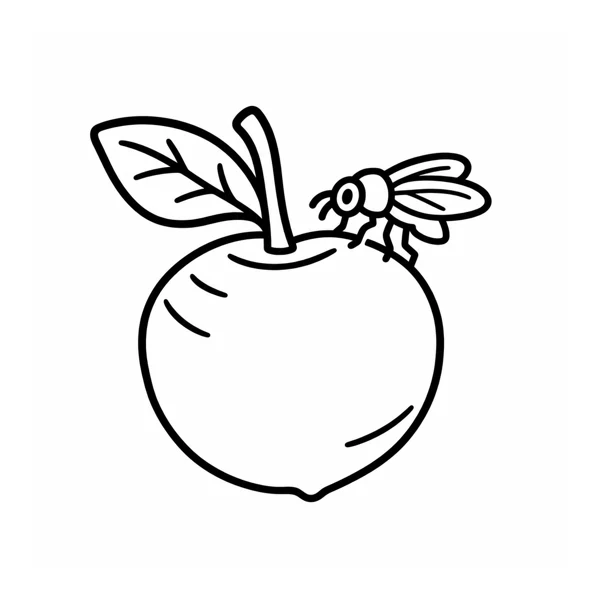
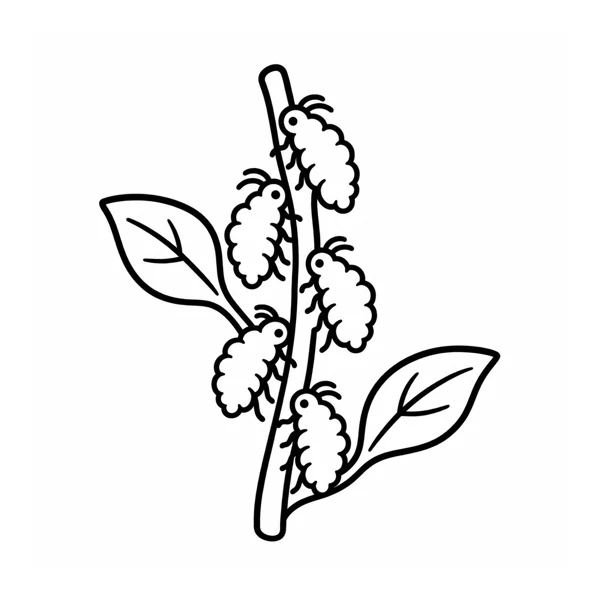
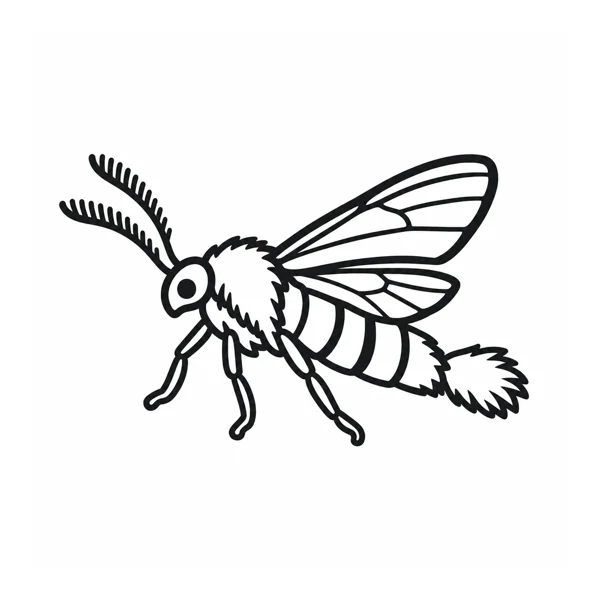
Pests. In California the main ones are mealybugs and snails. Ants farm mealybugs, so a band of sticky barrier on tape around the trunk keeps ants off and helps a lot. Copper bands slow snails. Scale can show up too. In warmer growing areas abroad, fruit flies and a seed borer attack the fruit.
Diseases.
- Root rot and crown rot in wet or clay soil, or where sprinklers keep hitting the trunk.
- Armillaria (oak root fungus).
- Verticillium wilt. Avoid old vegetable beds where tomatoes or eggplant grew.
- Sooty mold, a black film that grows on honeydew from mealybugs and other sap-suckers. Control the insects and it fades.
- Damping-off of seedlings.
Good neighbors



Cherimoya isn't a tree for a busy mixed bed. Its main need is space and air. One real point: because of Verticillium, don't plant it in an old vegetable garden or right beside tomatoes, eggplant or asters. A wide ring of mulch with nothing competing near the trunk suits it best.
Seeds that grow well in your area in November
Affiliate links — shopping through these helps keep Evening Vines free. Johnny Jump Up
 Organic Cat Grass
 Arugula Microgreens
 Organic Alfalfa
Varieties worth growing
Buy these as grafted trees from a local fruit nursery.
- Booth: One of the hardiest cherimoyas, with medium fruit that's fairly seedy and tastes a bit like papaya.
- Chaffey: Small to medium round fruit with a bright, lemony flavor. It sets fruit well even without hand-pollination, which is a big plus in a home garden.
- White: Large fruit with slightly bumpy skin and mild, mango-papaya flavor. It does best near the coast. The tree is open and untidy, so it needs shaping.
- Selma: Unusual for its pink-tinted flesh.
- Fino de Jete: The main commercial variety in Spain, with smooth skin; it's the one grown in the Costa Tropical protected-origin area.
- El Bumpo: Knobbly, soft-skinned fruit with some of the finest flavor, but too delicate for shipping.
Picking notes
In California the fruit ripens from October to May. Pick while still firm, when the skin lightens a shade, and clip the stem rather than pulling. Let it soften on the counter until it gives slightly, like a ripe avocado. Keep unripe fruit above 55°F; the fridge spoils it. Once soft, eat it within a day or two.
Saving seed for next year
Seeds from a named variety won't grow the same tree, so save them only for rootstocks or for fun. Wash off the pulp, dry the seeds, and store them dry, sealed away from weevils and mold. Kept that way they stay good for about 2 to 3 years.
From garden to table
The flesh is sweet, soft and custardy. Eat it chilled with a spoon, or use it in fruit salads, sorbets and desserts. It provides vitamin C and fiber, like many fruits, and is a nice part of a varied diet.
Safety: the seeds and skin. Cherimoya seeds and skin contain annonacin, a toxin that affects the nervous system. Never eat the seeds or skin, and don't put whole fruit or seeds into a blender for smoothies. Scoop the flesh out, pick the seeds out whole, and keep crushed seed juice away from your eyes.
Questions from the potting bench
Can I grow chirimoya in zone 9? Only in a warm 9b spot with frost protection, and expect losses in a hard winter. New growth is hurt at about 29°F and mature trees at about 25°F. Zones 10 and 11 are its real home.
My tree flowers but sets no fruit. Why? Usually it's the pollination. Each flower is female first and male later, and the natural beetle pollinators aren't here. Hand-pollinate every few days in the evening, or grow Chaffey, which sets better on its own.
Do I need two trees? No. One tree can pollinate itself if you move pollen by hand between flowers at different stages.
Can I grow one indoors? Not well. The taproot and the tree's size make it a poor pot plant, and it rarely fruits in a container.
How long until I get fruit? A grafted tree usually fruits in 2 to 3 years. A seedling takes about 3½ to 5 years, and the fruit may be ordinary.
Grower reports
How did Chirimoya do in your garden? Members rate it and say which zone and month they planted, so everyone can see what works near them.
Recent community discussions
No one has talked about Chirimoya yet. Be the first.
Essentials for Growing Chirimoya
 Grow Bags
Breathable fabric pots: grow almost anything on a patio, balcony or driveway, and roots never circle.
See it →
 Organic Fertilizer
Slow-release organic plant food for vegetable beds and containers.
See it →
 Pruning Shears
Sharp bypass pruners for harvesting, deadheading and tidying.
See it →
 Insect Netting
Fine mesh that keeps cabbage worms, flea beetles and birds off your crops, no sprays needed.
See it →
 Soaker Hose
Waters the roots slowly, not the leaves: less disease, less water, less work.
See it →
 Garden Hand Tools
Trowel, transplanter and cultivator: the three tools you reach for most.
See it →
