
Endive
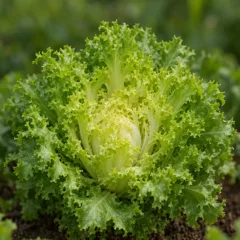
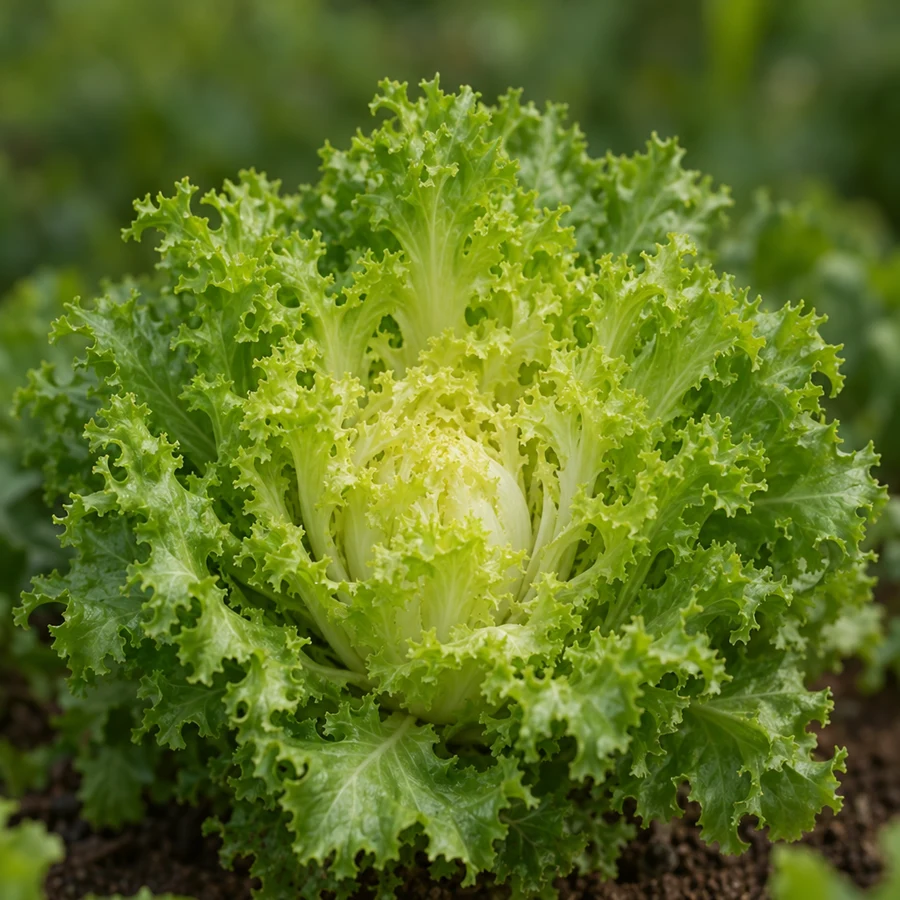
Endive is a pleasantly bitter salad green, grown in two forms: frilly frisée (curly endive) and broad-leaved escarole. Cool weather keeps it tender and mild, and blanching the heart makes it sweeter. It's a close cousin of radicchio and grows a lot like lettuce, only tougher in the cold.
Recent community discussions
No one has talked about Endive yet. Be the first.
At a glance
| Plant type | Cool-season leafy vegetable |
| Botanical name | Cichorium endivia |
| Annual or perennial | Annual (biennial) |
| Sun | Full sun to part shade |
| Water | About 1 inch per week, evenly |
| Spacing | 8 to 12 inches |
| Planting depth | 1/4 to 1/2 inch |
| Days to germinate | 5 to 10 |
| Days to maturity | About 85 to 100 (frisée types sooner) |
| Best USDA zones | 4 to 9 as a seasonal crop |
| Soil pH | 6.0 to 6.8 |
Is it endive weather where you are? See everything to plant this month or read your zone notes.

Direct sow 2–4 weeks before last frost in spring, or 6–8 weeks before first frost in fall. Can also be started indoors and transplanted.

75–90 days.

Zones 4–9, late spring for spring planting or late fall for summer?fall planting.

Moist, fertile loam or silty loam, pH 6.0–7.0. Benefits from compost-rich soil.
Pests to watch for





A little history
Endive probably comes from the eastern Mediterranean (some sources say India), and the ancient Egyptians, Greeks, and Romans all ate it. It remains a classic in French and Italian cooking. (Belgian endive is a different plant, a forced chicory.)
When to sow in your zone
Spring: Sow outdoors 2 to 4 weeks before the last frost, or start indoors 6 to 8 weeks before it. Spring crops race the summer heat, so pick a bolt-resistant variety. Count back from your last frost to set your dates.
Fall: This is endive's best season. Sow in midsummer, about 12 weeks (3 months) before your first fall frost, so the heads fill out in cool weather. In zones 8 and 9, you can keep it growing through winter. Find your frost dates and the exact endive dates for your area on the zone pages, for example zone 5 or zone 8.
Growing it, step by step
From seed
Sow 1/4 to 1/2 inch deep in loose, moist soil. Seedlings show in 5 to 10 days. Thin to 8 inches if you want smaller heads that partly blanch themselves, or 10 to 12 inches for big, full heads.
Moving it outside
Plant out after hardening off. Young plants left below about 41°F (5°C) for long spells may bolt; so can heat and long summer days. Set them at the same depth they grew in the pot and water them in well.
Growing Escarole and Frisée
Both forms take the same care. Escarole has broad, flat leaves, holds up better in cold weather and is the one to choose for late fall and winter. Frisée has narrow, finely cut leaves, matures a little sooner and suits summer and early fall harvests. Grow a few of each and you'll have salad leaves and cooking greens from the same bed.
Water
Aim for about an inch a week, more in hot spells. Steady moisture keeps the leaves tender and mild; dry soil makes them tough and bitter and pushes plants to bolt. Water at the base rather than over the leaves. See watering deeply for how to tell when the soil needs it.
Mulch
Once the plants are a few inches tall, spread a layer of straw or shredded leaves around them. Mulch keeps the roots cool, holds moisture in and keeps soil from splashing into the hearts.
Feeding
Work compost into the bed before planting. About halfway through the season, side-dress with a balanced fertilizer or more compost to keep the leaves growing quickly, since fast growth means tender leaves.
Keeping it happy
Keep the bed weeded, especially while the plants are small. In fall, a light frost improves the flavor, but cover plants with row cover or a cold frame before a hard freeze. See protecting plants from frost.
Blanching Endive
Blanching shades the heart so it grows pale, crisp and less bitter. Two to three weeks before harvest, on a dry day, gather the outer leaves and tie them loosely over the center, or set a plate or upturned pot over the middle of the plant. Only blanch dry plants, because damp leaves rot under a cover. Blanch a few plants at a time so they don't all come ready at once.
Trouble in the bed
- Aphids: Spray off with a strong stream of water.
- Slugs and snails: Hand-pick in the evening and clear away hiding spots.
- Cutworms: Put a collar of cardboard around young transplants.
- Flea beetles: Cover young plants with row cover.
- Aster yellows: Spread by leafhoppers. Leaves turn yellow, stunted and twisted. Pull infected plants, keep weeds down and use row cover where leafhoppers are a problem.
- Tip burn: Brown leaf edges from uneven watering. Water evenly.
- Rot under blanching covers: Blanch only dry plants.
Good neighbors





Good: Lettuce, radishes, carrots, and other salad greens that like the same cool weather and steady water.
Avoid: Some growers keep endive away from onions and garlic, so give those their own bed.
Seeds that grow well in your area in November
Affiliate links — shopping through these helps keep Evening Vines free. Smooth Blue Aster
 Polka Dot Mix
 Black-Eyed SusanSeeds
 ColumbineSeeds
Varieties worth growing
- Tres Fine Maraichere: Very fine frisée.
- Wallone: Sturdy curly endive for fall harvests.
- Pancalieri: Frilly frisée.
- Green Curled Ruffec: Hardy curly endive. Seeds
- Batavian Full Heart: Classic escarole.
- Natacha: Escarole, bolt resistant.
- Sinco: Escarole with a big head and a tight, crunchy heart.
Endive seeds to buy
Affiliate links — shopping through these helps keep Evening Vines free.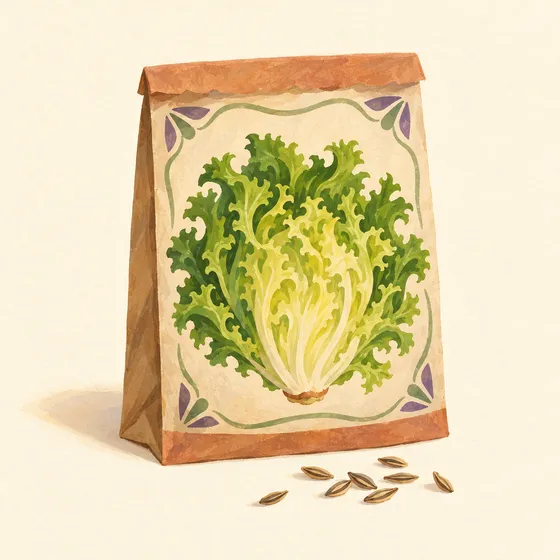 Green Curled Ruffec
Picking notes
Cut the whole head at the base when it's full, or pick outer leaves as you need them. Light frosts improve flavor. See harvesting at the right time.
Saving seed for next year
Endive flowers are perfect and mostly pollinate themselves, but bees can still carry pollen between plants, so keep different endive and escarole varieties about 20 feet apart. Endive pollen can cross into chicory (radicchio, Belgian endive and wild chicory), but chicory rarely crosses into endive. If you save chicory seed too, keep the two well apart. The pale blue flowers usually come in the plant's second season; save seed from the plants that held off bolting longest, and let the stalks dry on the plant before you collect. More in saving seeds from your garden.
From garden to table
Two cups of chopped raw endive (about 100 g) gives roughly 230 mcg of vitamin K, more than a whole day's worth, and about 140 mcg of folate, about a third of a day's worth, along with vitamin A and about 3 g of fiber (USDA FoodData Central). If you take a blood thinner such as warfarin, keep the amount of leafy greens you eat steady and ask your doctor. Use frisée in salads; braise escarole or add it to soups and beans.
Questions from the potting bench
Why is my endive so bitter? Heat stress, dry soil or no blanching.
Is Belgian endive the same? No, that's forced chicory roots.
Can I grow endive in containers? Yes, in a pot 8 inches deep.
Grower reports
How did Endive do in your garden? Members rate it and say which zone and month they planted, so everyone can see what works near them.
Recent community discussions
No one has talked about Endive yet. Be the first.
Seeds to try
Affiliate links — shopping through these helps keep Evening Vines free.Essentials for Growing Endive
 Grow Bags
Breathable fabric pots: grow almost anything on a patio, balcony or driveway, and roots never circle.
See it →
 Frost Cloth
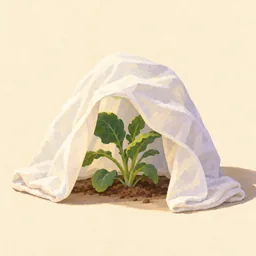
Throw it over young plants on cold spring and fall nights.
See it →
 Seed Starting Tray
Reusable tray with a clear dome to give seeds a warm, humid start indoors.
See it →
 Watering Can
Long-spout can for gentle watering of seedlings and pots.
See it →
 Plant Labels
Waterproof markers so you know what's coming up where.
See it →
 Organic Fertilizer
Slow-release organic plant food for vegetable beds and containers.
See it →
