
Radicchio
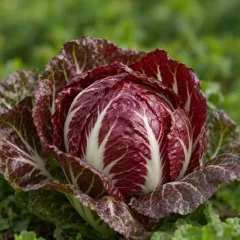
Radicchio is a bitter, red-leaved chicory that forms tight heads or tall upright ones, depending on the type. It is a cool-season crop: cold nights deepen the red and soften the bite, while heat and dry soil make it sharp and slow to head.
Recent community discussions
No one has talked about Radicchio yet. Be the first.
At a glance
| Plant type | Vegetable |
| Botanical name | Cichorium intybus |
| Annual or perennial | Perennial, grown as an annual |
| Sun | Full sun to part shade |
| Water | About 1 inch per week |
| Soil type | Loose, well-drained loam with plenty of compost worked in |
| Spacing | 8 to 12 inches |
| Planting depth | 1/4 inch |
| Days to germinate | 5 to 10 days |
| Days to maturity | About 60 to 90 days, depending on variety |
| Best USDA zones | 4 to 10 |
| Soil pH | 6.0 to 6.8 |
Is it radicchio weather where you are? See everything to plant this month or read your zone notes.

Sow indoors 6–8 weeks before last frost and transplant, or direct sow outdoors 2–4 weeks before last frost. For fall crops, sow midsummer.

85–100 days.

Zones 4–9, late spring?early summer or early fall; prefers cool weather.

Fertile, moisture-retentive clay loam, pH 6.0–6.8. Benefits from compost-enriched soil.
Pests to watch for




A little history
Radicchio was developed in northern Italy, mostly in the Veneto region, where several towns gave their names to their own local types, such as Treviso, Castelfranco, Chioggia and Verona.
When to sow in your zone
When to plant radicchio in spring
Sow outdoors 2 to 4 weeks before your last frost, once the soil can be worked. If you'd rather start indoors, sow 3 to 4 weeks before you plan to set the plants out. Spring heads are a bit of a gamble: if summer heat comes before they firm up, they tend to stay loose or bolt.
Radicchio fall planting
A midsummer sowing gives the best heads, because they fill out in the cool days of fall. In mild-winter areas, roughly zones 8 to 10, sow in early fall instead for a winter crop. By November, only the mildest zones (about 9 and 10) can still sow.
Find your own frost dates on the zone pages, then use our count back from last frost method to pick your sowing day.
Growing it, step by step
From seed packet to bed
Sow seeds 1/4 inch deep in a bed that drains well and has had compost mixed in. They come up in about 5 to 10 days. Thin the seedlings to 8 to 12 inches apart, and toss the thinnings into a salad. If you started plants indoors, harden them off and plant them out 3 to 4 weeks after sowing, while the weather is still cool.
Keeping it sweet: water, mulch, feed
Steady water is the main thing. Aim for about 1 inch a week, and more in hot, dry spells, since thirsty plants turn extra bitter. A 1 to 2 inch layer of mulch keeps the roots cool and the soil evenly moist. Side-dress with a little compost or a balanced fertilizer about 4 weeks after planting, and no more than that, because soft, fast growth invites rot.
Growing radicchio in pots
Give each plant a pot about 12 inches wide and 12 inches deep, filled with good potting mix. Pots dry out much faster than beds, so check them daily in warm weather (our container watering notes help here).
Keeping it happy
Weed by hand or with a shallow hoe so you don't disturb the roots. Cover plants with row cover when a hard freeze is coming, since light frost is fine but deep cold can damage the heads. Rotate where you grow radicchio each year.
Watch for tipburn: brown, papery leaf edges, often inside the head. It isn't a disease. It's a growing problem that shows up with uneven watering and hot spells, so steady moisture is the best prevention.
Trouble in the bed
Pests
- Aphids: Knock them off with a strong spray of water, or use insecticidal soap.
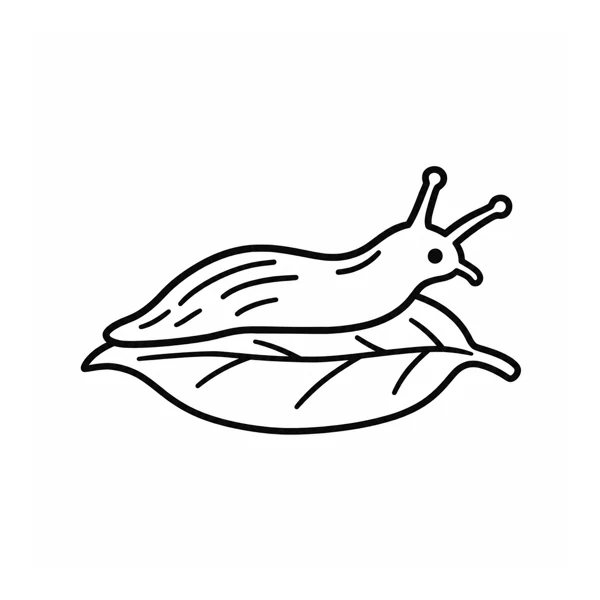
- Slugs and snails: Hand-pick in the evening or set traps.
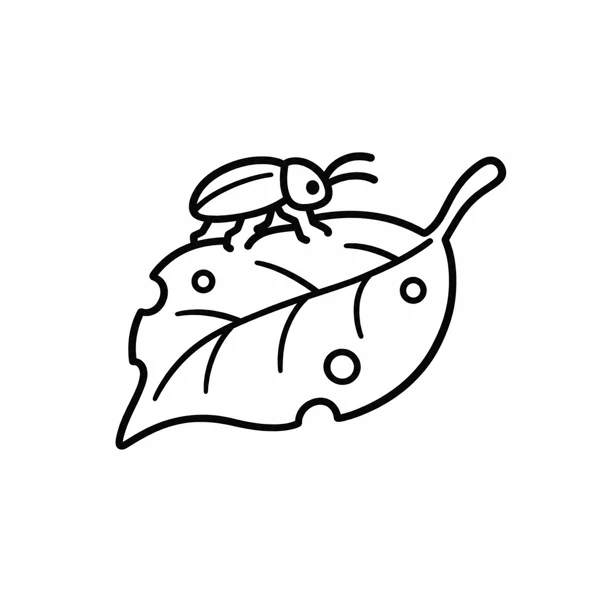
- Flea beetles: Tiny shot-holes in young leaves. Cover seedlings with row cover from the day you sow.
- Cutworms: Young transplants cut off at soil level. Put a cardboard collar around each stem.
Diseases
- Bottom rot: The lower leaves that touch damp soil turn brown and slimy, and the rot moves up into the head. Plant in well-drained soil and rotate beds.
- Downy mildew: Yellow patches on top of the leaves with gray-white fuzz underneath, mostly in cool, damp weather. Space plants for airflow and water the soil, not the leaves.
- Root rot: Plants wilt and stall in wet, heavy soil. Good drainage is the fix; raised beds help.
- Alternaria leaf spot: Dark spots with rings on the leaves. Remove spotted leaves and clear away old plants after harvest.
- Powdery mildew: White powder on the leaves, usually late in the season. Give plants room so air can move between them.
Good neighbors




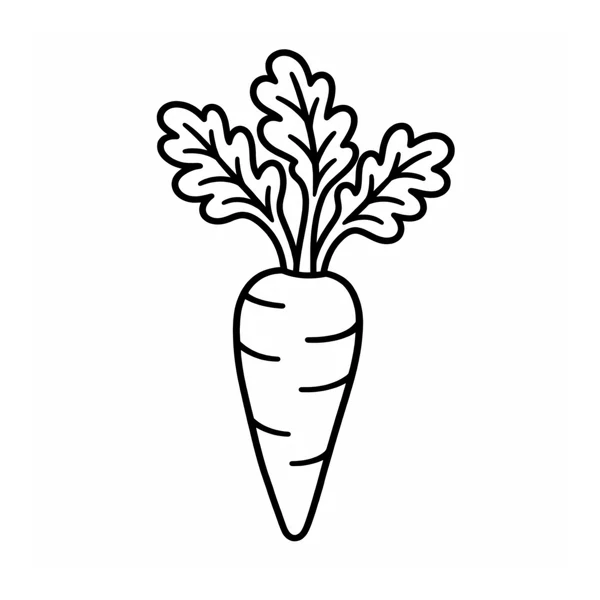



We haven't found any solid research on what radicchio likes to grow next to. It's easiest to share a bed with crops that want the same cool weather and steady water, such as lettuce, endive, carrots and onions. Whatever you grow nearby, give radicchio room: crowded heads stay damp and are quicker to rot.
Seeds that grow well in your area in November
Affiliate links — shopping through these helps keep Evening Vines free. Smooth Blue Aster
 Polka Dot Mix
 Black-Eyed SusanSeeds
 ColumbineSeeds
Varieties worth growing
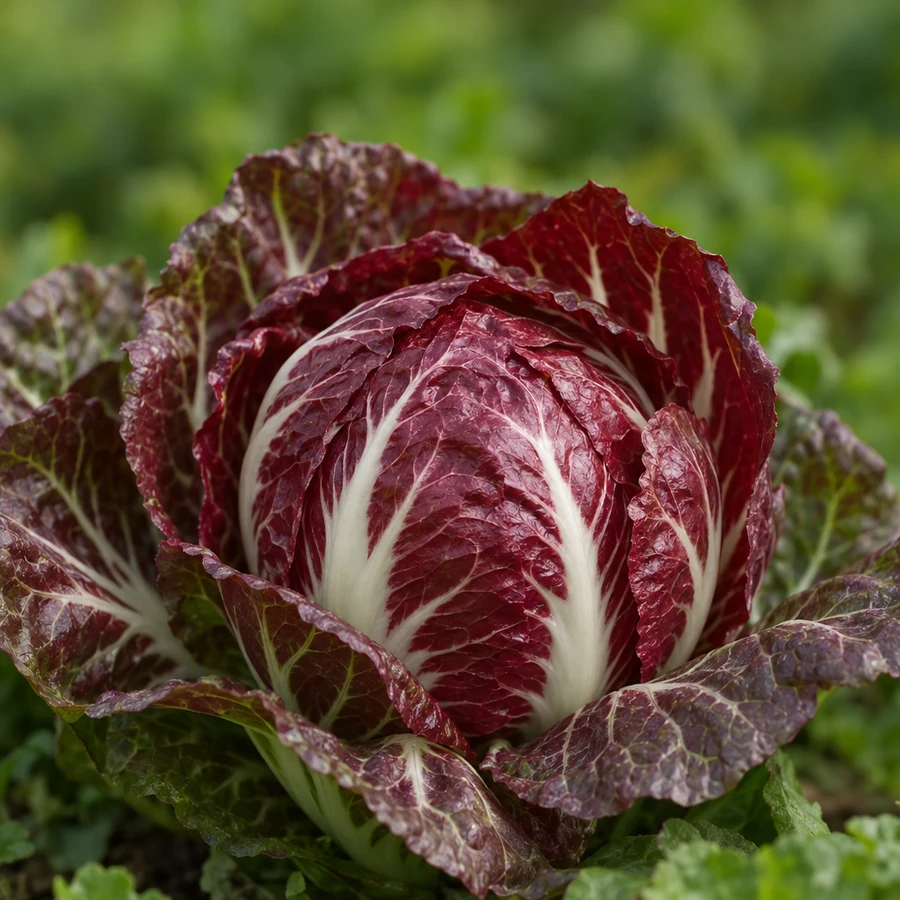
- Chioggia types (such as 'Palla Rossa'): Round, tight heads of deep red leaves with white veins. This is the radicchio most people know from the store.
- Treviso: Long, upright heads of red leaves with thick white ribs. Early (precoce) strains are bred to be ready sooner in the season.
- Castelfranco: Loose, rounded heads of cream leaves speckled with red, and a milder taste than the red types.
- Verona: Small, loose, rounded heads of dark red leaves.
Picking notes
Cut heads when they feel firm, about the size of a softball. Cut at the base and leave the root in the ground: it may send up a few smaller heads, and in mild climates you can sometimes get a second, smaller harvest in spring.
Saving seed for next year
Radicchio flowers in its second year, sending up tall, wiry stalks of sky-blue flowers that usually close by midday. Let the seed heads dry on the plant before you collect them. It crosses with other chicories, including wild chicory, so seed from a mixed patch may not come true.
From garden to table
Radicchio is rich in vitamin K (about 255 micrograms per 100 grams raw) and has a little fiber. Its red color comes from natural plant pigments. Eat it raw in salads, or grill, roast or braise it; cooking mellows the bitterness.
Questions from the potting bench
Why is it so bitter? Heat, dry soil and age all add bitterness. Grow it through cool weather, keep it watered, and try grilling it.
Why didn't it form a head? Usually heat or timing. A midsummer sowing for fall heads is the most reliable.
Can I grow it in pots? Yes. Give each plant a pot about 12 inches wide and 12 inches deep, and water it often.
Grower reports
How did Radicchio do in your garden? Members rate it and say which zone and month they planted, so everyone can see what works near them.
Recent community discussions
No one has talked about Radicchio yet. Be the first.
Essentials for Growing Radicchio
 Grow Bags
Breathable fabric pots: grow almost anything on a patio, balcony or driveway, and roots never circle.
See it →
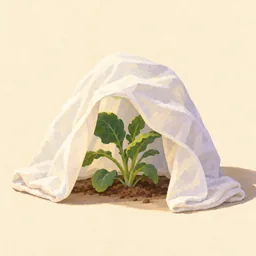 Frost Cloth
Throw it over young plants on cold spring and fall nights.
See it →
 Seed Starting Tray
Reusable tray with a clear dome to give seeds a warm, humid start indoors.
See it →
 Watering Can
Long-spout can for gentle watering of seedlings and pots.
See it →
 Plant Labels
Waterproof markers so you know what's coming up where.
See it →
 Organic Fertilizer
Slow-release organic plant food for vegetable beds and containers.
See it →
