
Gomphrena
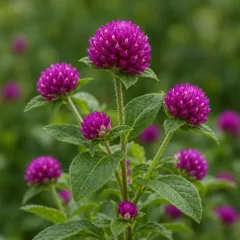
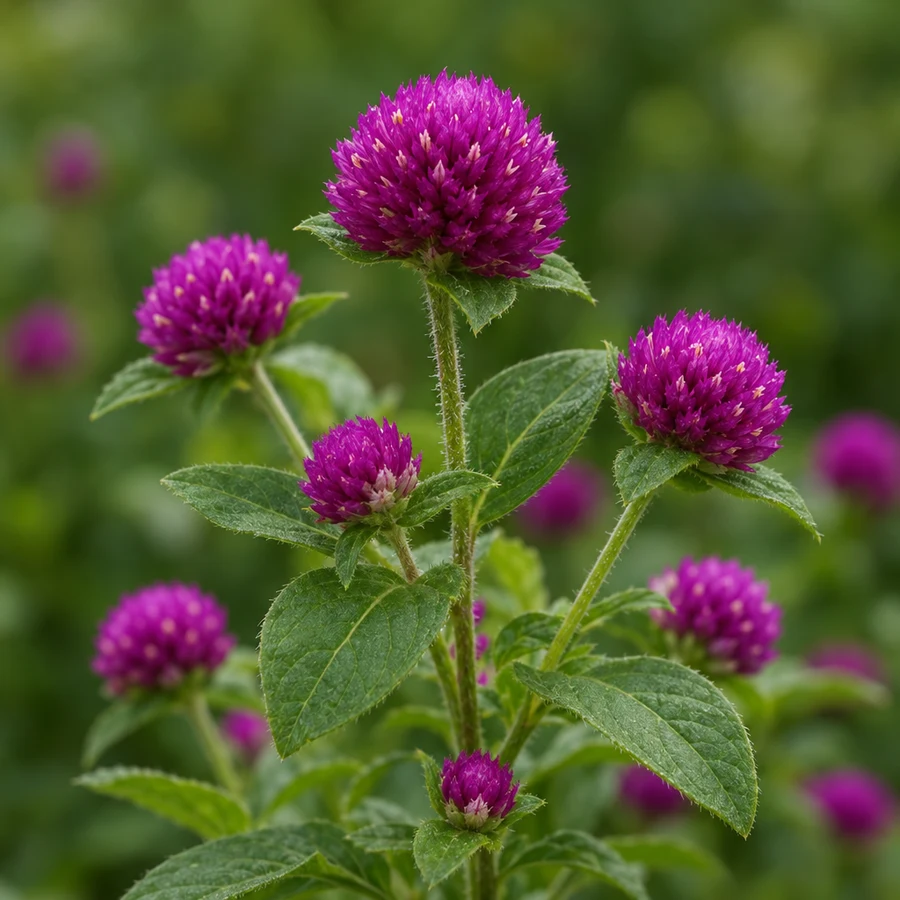
Come late August, when the zinnias are looking tired and the basil has gone to flower, the gomphrena row still looks like a jar of spilled buttons: little round heads of purple, magenta, pink, white, and orange, all standing up straight in the heat. It starts blooming in midsummer and simply keeps going until frost.
Most plants stay between 10 and 24 inches, which suits a border edge or a pot. The tall cut-flower types, such as Fireworks and the QIS series, reach 2 to 4 feet and are the ones to grow for long stems. You'll also see it sold as globe amaranth. The papery heads hold their color when dried, so it earns a place in wreaths and winter jars, and bees and butterflies work it all season.
Recent community discussions
No one has talked about Gomphrena yet. Be the first.
At a glance
| Plant type | Flower (everlasting; dries well) |
| Botanical name | Gomphrena globosa |
| Annual or perennial | Annual (tender perennial in zones 9 to 11) |
| Sun | Full sun |
| Water | Low to moderate; drought tolerant once established |
| Spacing | 9 to 12 inches (tall types up to 18 inches) |
| Planting depth | 1/8 inch (barely covered) |
| Days to germinate | 7 to 14 |
| Days to maturity | 85 to 100 to bloom |
| Best USDA zones | 2 to 11 as an annual; perennial in 9 to 11 |
| Soil pH | 6.0 to 7.5 |
Is it gomphrena weather where you are? See everything to plant this month or read your zone notes.

Start indoors 6–8 weeks before last frost. Transplant outdoors after frost danger has passed. Can also be direct sown in warm climates.

Germinates in 7–14 days; blooms in 85–100 days.

Zones 2–11, June?October as warm-season annual; indoors year-round with care.

Well-drained sandy soil, pH 6.0–7.5. Very heat- and drought-tolerant.
Pests to watch for




Diseases


A little history
Gomphrena globosa comes from the American tropics, from Mexico and Central America south to Bolivia and Brazil. It travelled early and far. British garden records put it in cultivation by about 1714, and in 1747 the botanist Rumphius described it as a garden flower brought to the Indonesian islands from Java, where the round blooms were strung into wedding garlands. Linnaeus gave it its botanical name in 1753. Today it has gone wild in many warm parts of Asia, and gardeners everywhere still grow it for heat tolerance and for drying.
When to sow in your zone
Spring: Start seeds indoors 6 to 8 weeks before your last frost (our count back from last frost post walks through the math). Set plants out 1 to 2 weeks after frost, when the soil is around 65°F or warmer. Gomphrena does best started in trays and transplanted; extension trials in Utah don't recommend sowing it straight into the ground. Even in the long summers of zones 8, 9, 10 and 11, indoor starts give you flowers weeks sooner.
Fall: In frost-free zones 10 and 11 the season is long, and warm-climate guidance points to sowing from spring through late summer. Some gardeners there try a fall sowing for winter color, but short, cool days slow it down, so treat that as an experiment. Everywhere else, wait for spring.
Not sure where you fall? Find your zone on the zones page to see when gomphrena fits your calendar.
Growing it, step by step
In the seed tray
The seeds come wrapped in fluff, so soak them overnight or stir them into a pinch of sand to help them separate and sprout. Press them onto moist mix and barely cover them. Keep them at 70 to 80°F and most will be up in 1 to 2 weeks.
Out to the bed
Harden seedlings off for a week, then plant once nights stay above 50°F. Cold soil stunts them. Set them at the same depth they grew in the pot.
Water
Water regularly until plants settle in. After that they shrug off dry spells. Water at the base to keep the leaves dry.
Mulch
A thin layer, 1 to 2 inches, keeps weeds down and holds moisture. Keep it pulled back from the stems.
Feeding
Gomphrena asks for very little. Mix a little compost into the bed before planting. Too much fertilizer gives you leaves instead of flowers.
Keeping it happy
Pinch the tips of young plants at about 6 inches if you want bushier border plants. Remove spent blooms for a neater look, though cutting for bouquets does the same job (see deadhead flowers for more blooms). Stake tall types in windy spots, and pull plants after frost.
Trouble in the bed
Gomphrena is a tough plant and is often trouble-free, but keep an eye out for these.
Pests
- Spider mites: Show up in hot, dry weather. Rinse leaves with water and avoid drought stress.
- Aphids: Spray them off with water or use insecticidal soap.
- Thrips: Tiny insects that leave pale streaks on leaves and blooms. Remove badly marked flowers and keep plants well watered.
Diseases
- Powdery mildew: White dust on the leaves, worst in late summer. Space plants for airflow and water at the soil line.
- Gray mold: Fuzzy gray rot on flowers and stems in cool, damp spells. Pick off affected heads and give plants room.
- Leaf spots, including Alternaria leaf spot: Brown spots on the leaves. Remove spotted leaves and avoid wetting the foliage.
- Root rot and stem rot: Happen in soggy soil. Plant in well-drained soil and don't overwater.
Good neighbors







Good: Heat lovers that want the same sun and lean, well-drained soil: zinnias, celosia, salvia, marigolds, cosmos, and strawflower. Gomphrena, celosia, and strawflower together make a full set of everlastings for drying.
Avoid: Shade-loving and moisture-loving plants, because gomphrena wants full sun and drier soil.
Seeds that grow well in your area in November
Affiliate links — shopping through these helps keep Evening Vines free. Foxglove Mix
 Rocket Larkspur
 Wild Lupine
 Common Milkweed
Varieties worth growing
- Strawberry Fields: Bright red, strawberry-like blooms on tall stems (Gomphrena haageana, a related species).
- Fireworks: Tall, airy plant, 3 to 4 feet, with hot pink blooms tipped in yellow (Gomphrena pulchella).
- QIS series: Tall cut-flower types in several colors.
- Buddy series: Compact plants in purple, white, or pink, good for pots.
- Lavender Lady: A tall, old-fashioned lavender type.
Picking notes
Cut stems when the flower heads are fully colored and round. Heads left too long on the plant don't dry or keep as well. For drying, strip the lower leaves, tie small bundles, and hang them upside down in a dry, shady, airy place for 1 to 2 weeks. Dried flowers keep their color for a year or more.
Saving seed for next year
Let a few of the best blooms dry fully on the plant. Rub the heads between your hands to free the fuzzy seeds, then dry them for a week. Store them in a labeled envelope somewhere cool and dry. Hybrid varieties may not come true. More tips are in saving seeds from your garden.
From garden to table
Gomphrena is grown as an ornamental and everlasting flower, not a food plant. Use it in borders, containers, cutting gardens, dried arrangements, and a pollinator border.
Questions from the potting bench
Is gomphrena the same as globe amaranth? Yes. Globe amaranth is its common name.
Does it need deadheading? Not really. Cutting blooms for bouquets keeps it flowering.
Will it come back? In zones 9 to 11 it may. Elsewhere, replant yearly or let it self-sow.
Grower reports
How did Gomphrena do in your garden? Members rate it and say which zone and month they planted, so everyone can see what works near them.
Recent community discussions
No one has talked about Gomphrena yet. Be the first.
Essentials for Growing Gomphrena
 Grow Bags
Breathable fabric pots: grow almost anything on a patio, balcony or driveway, and roots never circle.
See it →
 Pruning Shears
Sharp bypass pruners for harvesting, deadheading and tidying.
See it →
 Seed Starting Tray
Reusable tray with a clear dome to give seeds a warm, humid start indoors.
See it →
 Garden Kneeler
A kneeling pad that flips into a seat: easier on knees and back.
See it →
 Plant Labels
Waterproof markers so you know what's coming up where.
See it →
 Organic Fertilizer
Slow-release organic plant food for vegetable beds and containers.
See it →
