
Kale
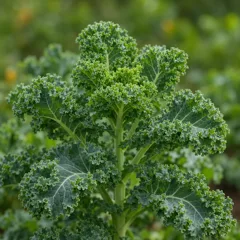
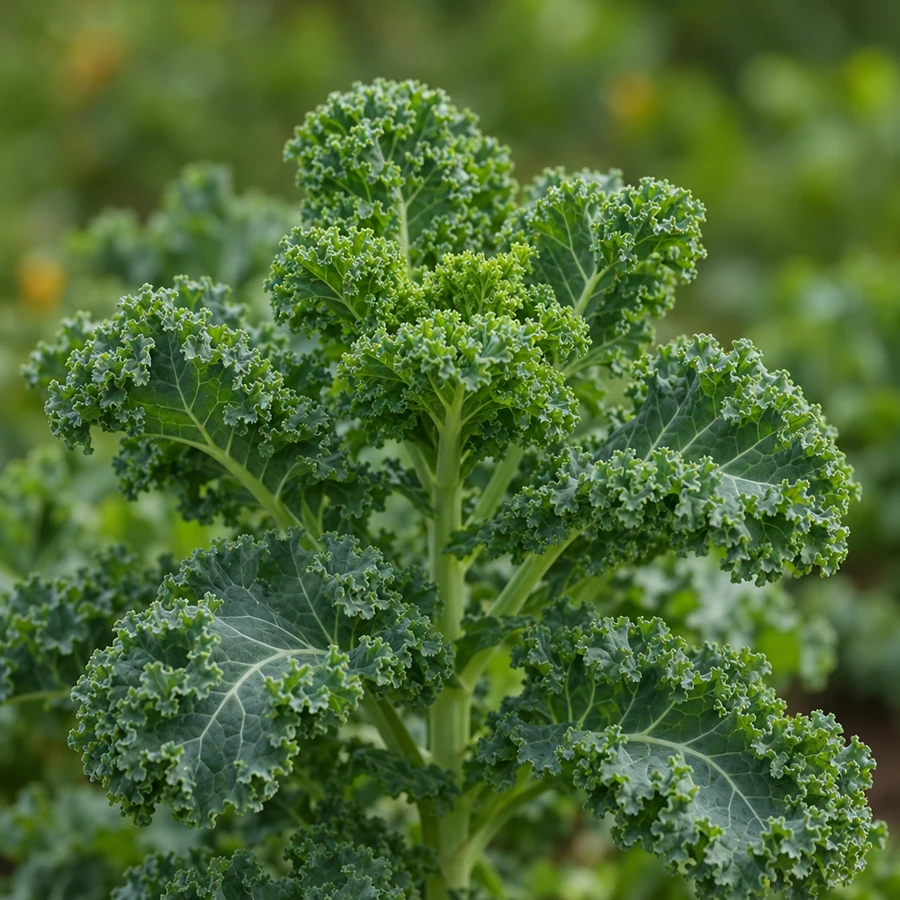
Kale is a tough, leafy green with curly or flat leaves in green, blue-green, or purple. It's one of the hardiest vegetables you can grow and keeps producing from spring into winter. Plants grow 1 to 3 feet tall and can be picked for months.
Kale is a nutrition powerhouse, rich in vitamins A, C, and K. It handles cold well, and frost actually makes the leaves sweeter. Use it in salads, sautés, soups, and chips.
Recent community discussions
No one has talked about Kale yet. Be the first.
At a glance
| Plant type | Leafy vegetable (cool season) |
| Botanical name | Brassica oleracea (Acephala group) |
| Annual or perennial | Biennial, grown as an annual |
| Sun | Full sun to part shade |
| Soil | Fertile, well-drained loam rich in organic matter |
| Water | 1 to 1.5 inches per week; even moisture |
| Spacing | 12 to 18 inches (3 to 4 inches for baby greens) |
| Planting depth | 1/4 to 1/2 inch |
| Days to germinate | 5 to 10 |
| Days to maturity | 55 to 75 (baby leaves in 25 to 30) |
| Best USDA zones | 2 to 11 as a cool-season crop; overwinters in zones 7 to 10 |
| Soil pH | 6.0 to 7.5 |
From planting to harvest
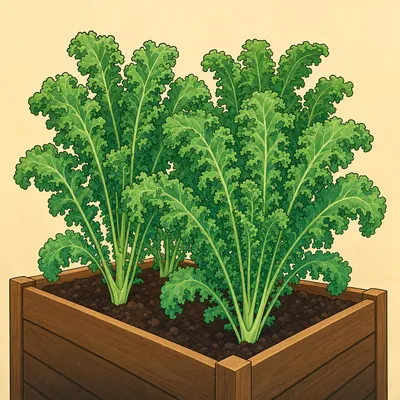
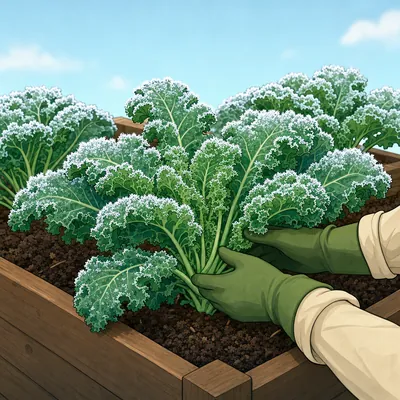
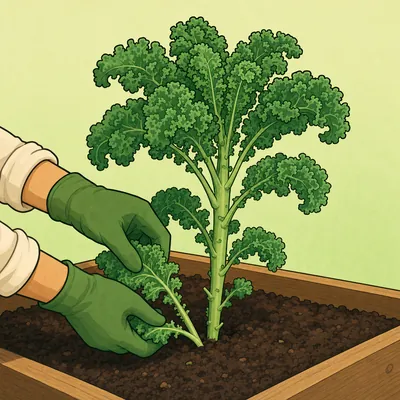
Is it kale weather where you are? See everything to plant this month or read your zone notes.

Direct sow outdoors 4–6 weeks before last frost for a spring crop, or 6–8 weeks before first frost for fall harvest. In mild zones, can be grown year-round.

50–75 days.

Zones 3–9, late spring?early summer or again in late fall; outer leaves can be harvested once 6 inches tall.

Fertile, moisture-retentive clay loam, pH 6.0–7.5. Benefits from steady fertility and compost.
Pests to watch for



Diseases

A little history
Kale is one of the oldest members of the cabbage family, grown around the Mediterranean for over 2,000 years. It was a common winter green in Europe through the Middle Ages. It came to North America with European settlers and has become popular again in recent years.
When to sow in your zone
Spring: One rule covers it. Set young plants out in the bed 4 to 6 weeks before your last frost, and start their seeds indoors 4 to 6 weeks before that. If you'd rather skip the indoor step, sow seed straight into the bed at the same time, 4 to 6 weeks before last frost. Aim to be picking before summer heat turns the leaves tough and bitter.
Fall: The best season for flavor. Sow seed in the bed 10 to 12 weeks before your first fall frost, or set out transplants 6 to 8 weeks before it. In zones 3 to 7 that puts sowing in early to midsummer. In zones 8 to 11, sow from late summer into winter; in frost-free gardens kale grows right through the cool months.
Kale dates for your zone: Your frost dates are on your zone page, so you can count back from them: Zone 3, Zone 4, Zone 5, Zone 6, Zone 7, Zone 8, Zone 9, Zone 10, Zone 11. Our count-back post walks through the sums.
Growing it, step by step
From seed
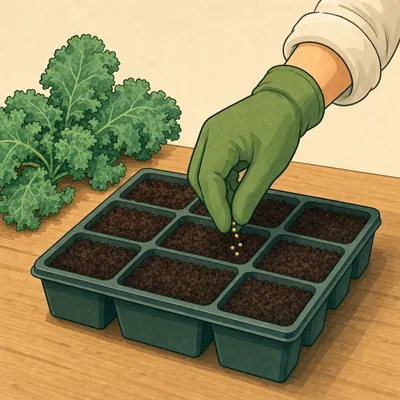
Sow seeds 1/4 to 1/2 inch deep. They sprout in about a week at 60 to 70°F. Thin to 12 to 18 inches for full-size plants, and eat the thinnings.
Moving it outside
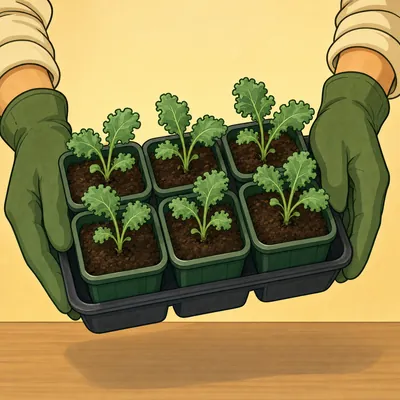
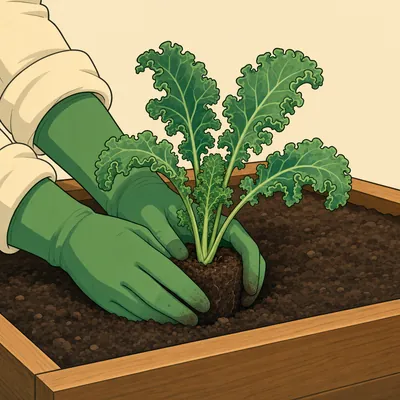
Set out seedlings at 4 to 6 weeks old, 12 to 18 inches apart, a little deeper than they sat in the pot. Toughen them up outdoors for a week first (see hardening off seedlings). Water well and shade them from midday sun for the first few days.
Water
Keep the soil evenly moist, about 1 to 1.5 inches per week. Steady watering gives tender, mild leaves. Water at the base.
Mulch
Spread 2 to 3 inches of straw or shredded leaves around the plants. The layer acts like a blanket for the soil, slowing the swing between hot afternoons and cold nights, and it holds on to moisture between waterings.
Feeding
Kale likes nitrogen. Mix in compost before planting, then side-dress with a nitrogen fertilizer about 4 weeks after transplanting or thinning, when the plants stand roughly 4 inches tall. Water it in, and stop feeding once cold weather arrives.
Keeping it happy
Weed gently, since the roots are shallow. Use row cover to keep out cabbage moths and to protect plants in hard freezes. Pick off yellowing lower leaves. Rotate crops, and avoid planting kale where other cabbage-family crops grew in the last 2 to 3 years.
Trouble in the bed
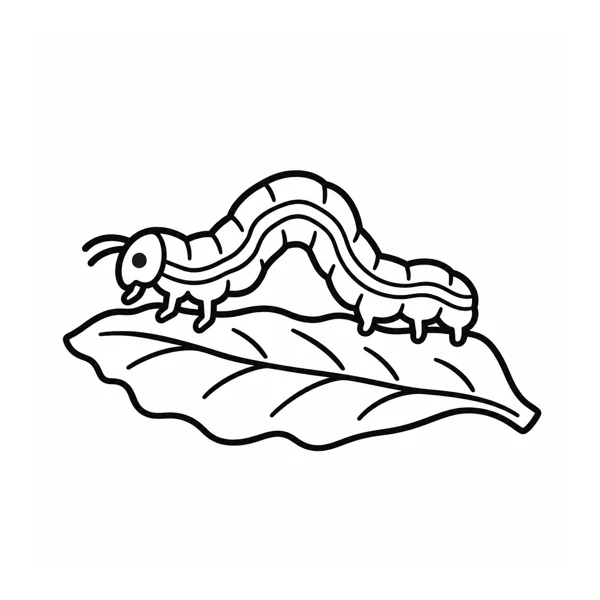
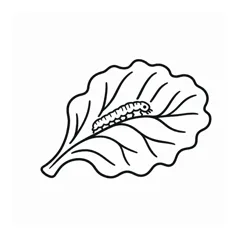
- Imported cabbageworm, cabbage loopers, and diamondback moth caterpillars: The imported cabbageworm (the green caterpillar of the white cabbage butterfly) is the one you'll see most. Hand-pick, use row cover, or spray with Bt.
- Aphids: Spray off with water or use insecticidal soap. Check the undersides of leaves often.
- Flea beetles: Cover young plants with row cover and keep the soil moist.
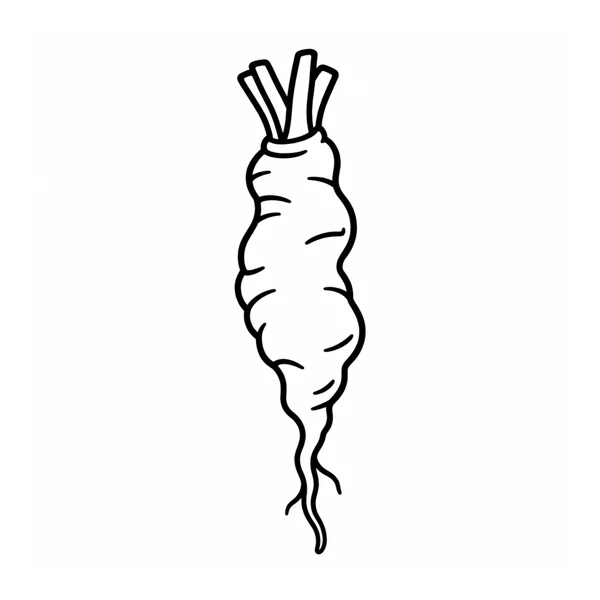
- Clubroot: A soil disease that swells the roots. Rotate crops and keep the soil pH near neutral.
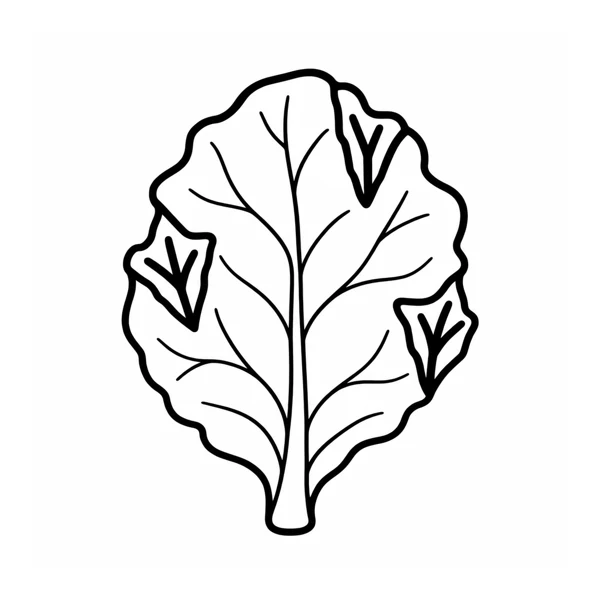
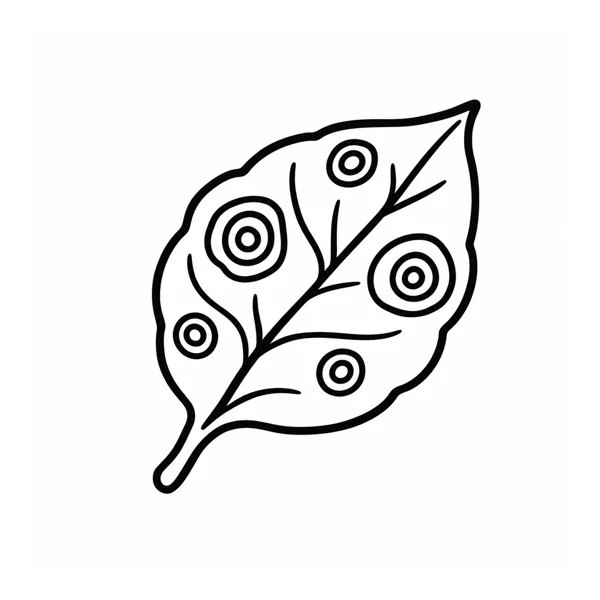
- Black rot, Alternaria leaf spot, and downy mildew: Leaf diseases that spread in wet weather. Water at the base, space plants for airflow, pull badly infected plants, and rotate beds.
Good neighbors



Good: Onions, beets, celery, and herbs such as dill, which draws beneficial insects, plus nasturtiums as an aphid trap crop.
Avoid: Other cabbage-family crops such as broccoli and cabbage in the same bed year after year, since they share pests and clubroot.
Seeds that grow well in your area in November
Affiliate links — shopping through these helps keep Evening Vines free.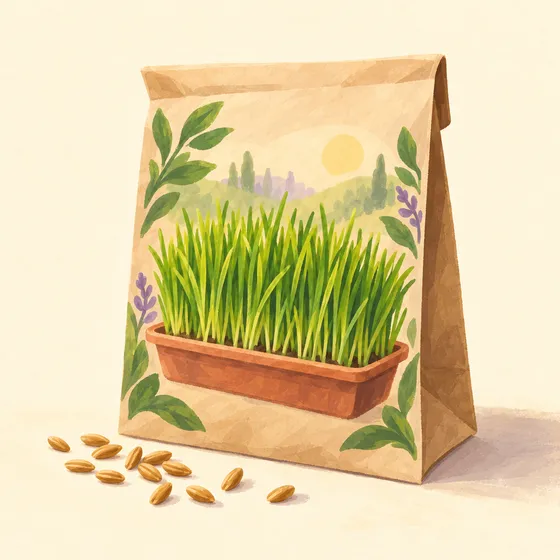 Organic Wheatgrass
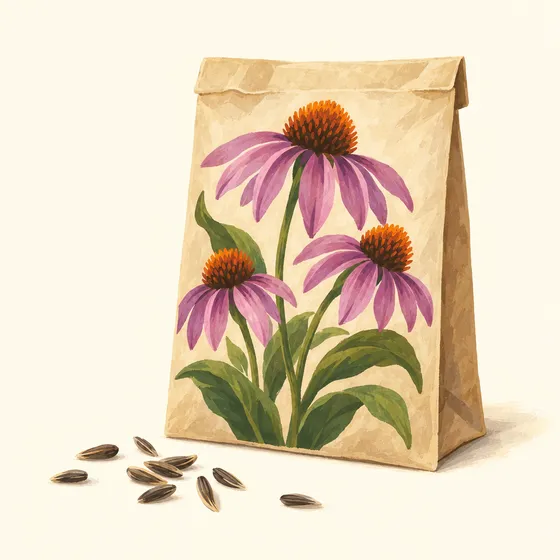 Purple Coneflower
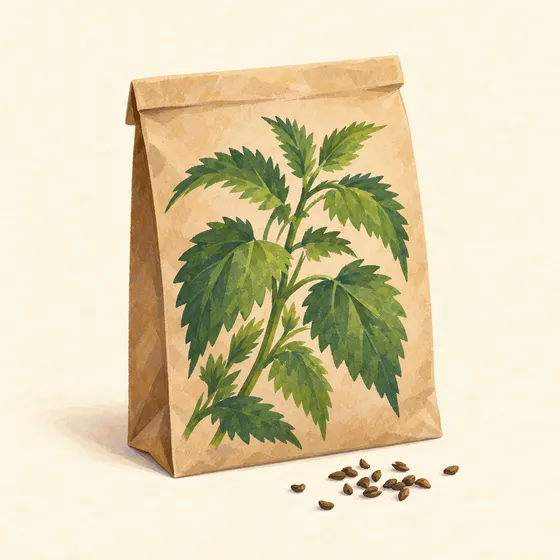 Stinging Nettle
 Smooth Blue Aster
Varieties worth growing
- Lacinato (Tuscan or Dinosaur): Dark, bumpy, flat leaves with a rich flavor. Seeds
- Winterbor: Curly, very hardy, and productive.
- Vates (Blue Curled Scotch): Compact, blue-green curly leaves.
- Redbor: Deep purple, frilly leaves; also ornamental.
- Red Russian: Flat, frilly, tender leaves with purple stems (Brassica napus, a related species). Seeds
Kale seeds to buy
Affiliate links — shopping through these helps keep Evening Vines free.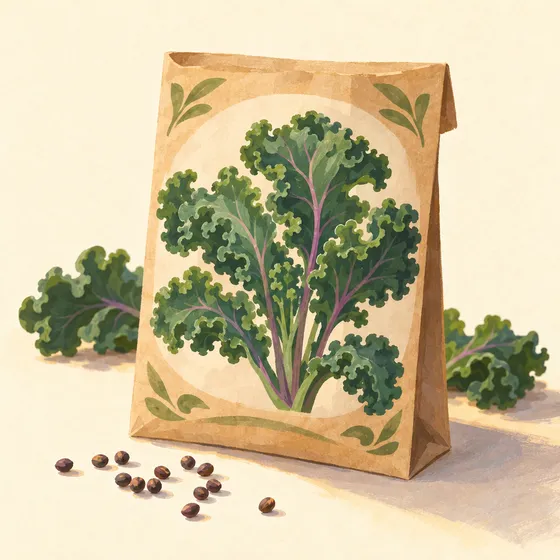 Lacinato
Picking notes
Pick the lower, outer leaves when they're about hand-size, leaving the center to keep growing. Plants produce for months this way. The flavor is sweetest after a frost.
Saving seed for next year
Kale is a biennial, so it flowers in its second spring after winter chill. Let a few plants overwinter, then let the flower stalks form pods. Harvest when pods are brown and dry, thresh, and store the seed somewhere cool and dry. Kale crosses with cabbage, broccoli, cauliflower, collards, and kohlrabi, so grow only one of them in flower at a time if you want seed that comes true.
Red Russian and Siberian kales are a different story. They're usually classed as Brassica napus, the same species as rutabaga, so they won't cross with curly or Lacinato kale but can cross with rutabaga (and with each other). If you're saving their seed, keep any flowering rutabaga well away.
From garden to table
Kale is high in vitamins A, C, and K, plus calcium and fiber. Massage raw leaves for salads, sauté them, add them to soups, or bake them into chips. If you take blood thinners, keep your kale intake steady and ask a health professional.
Questions from the potting bench
Does frost really make kale sweeter? Yes. Cold makes the plant turn starches into sugars.
Why is my kale bitter? Heat and stress. Water well and grow it in cool weather.
Can I grow it in pots? Yes, in a container at least 12 inches deep.
Grower reports
How did Kale do in your garden? Members rate it and say which zone and month they planted, so everyone can see what works near them.
Recent community discussions
No one has talked about Kale yet. Be the first.
Seeds to try
Affiliate links — shopping through these helps keep Evening Vines free.Essentials for Growing Kale
 Grow Bags
Breathable fabric pots: grow almost anything on a patio, balcony or driveway, and roots never circle.
See it →
 Insect Netting
Fine mesh that keeps cabbage worms, flea beetles and birds off your crops, no sprays needed.
See it →
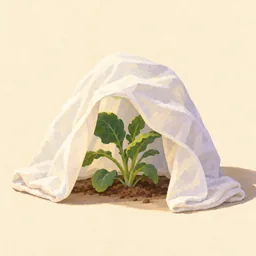 Frost Cloth
Throw it over young plants on cold spring and fall nights.
See it →
 Garden Hand Tools
Trowel, transplanter and cultivator: the three tools you reach for most.
See it →
 Plant Labels
Waterproof markers so you know what's coming up where.
See it →
 Organic Fertilizer
Slow-release organic plant food for vegetable beds and containers.
See it →
