
Parsley
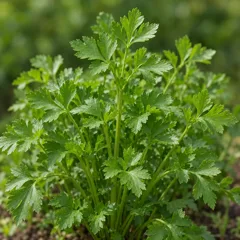
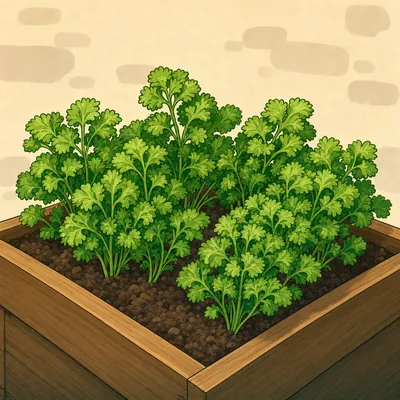
Parsley is the herb we reach for most, flat or curly, and it asks for very little once it's up. The hard part is the wait: the seed is famously slow. After that it's a steady, leafy plant that keeps giving from late spring until the hard frosts, and in mild places right through winter.
Recent community discussions
No one has talked about Parsley yet. Be the first.
At a glance
| Plant type | Herb |
| Botanical name | Petroselinum crispum |
| Annual or perennial | Biennial, usually grown as an annual |
| Sun | Full sun to part shade |
| Water | About 1 inch per week, soil evenly moist |
| Spacing | 6 to 8 inches |
| Planting depth | 1/4 inch |
| Days to germinate | 14 to 28 |
| Days to maturity | 70 to 90 |
| Best USDA zones | Any zone as an annual; lasts through winter in milder zones; a cool-season crop in 9 to 11 |
| Soil pH | 6.0 to 7.0 |
From planting to harvest
Is it parsley weather where you are? See everything to plant this month or read your zone notes.

Sow indoors 8–10 weeks before last frost or direct sow outdoors 3–4 weeks before frost ends. In warm zones, sow again in fall.

Germinates in 14–28 days; 70–90 days to mature.

Zones 4–9, May?October; in warm zones October?March; indoors year-round.

Fertile, moist loam or silty loam, pH 6.0–7.0. Needs steady moisture and compost.
Pests to watch for








A little history
Parsley is a Mediterranean plant with a long and slightly gloomy past. The ancient Greeks linked it with death and hardly cooked with it at all; they laid it on tombs and wove it into the wreaths given to winners at the Nemean games, which began as funeral games. The Romans were the ones who brought it to the table. They ate it, tucked it in at meals to freshen garlic breath, and wore parsley garlands at their feasts.
When to sow in your zone
Where you garden matters most. Parsley grows as an annual just about anywhere. In colder zones (roughly 3 to 6) it's a spring-to-fall plant, and you bring a pot indoors for winter. In milder zones (roughly 7 and 8) plants often carry on through winter, especially under a cold frame. In zones 9 to 11 summer heat is the problem, so treat it as a cool-season crop: sow in fall and pick through winter and spring. Find your zone and its frost dates on our zones page.
Spring, outdoors: The seed doesn't mind cool soil. Sow it outside about a month before your last spring frost date.
Spring, indoors: For an earlier picking, start seed 8 to 10 weeks before your last spring frost date. Our post on starting celery and parsley early walks through it, and counting back from your last frost helps you pick the day.
Late summer and fall: In zones 7 to 11, sow in late summer or early fall for leaves through the cool months.
Sowing this month (November)? Only the warm-winter zones, about 9 to 11, still have time to sow outdoors. Check your zone hub, for example zone 9, zone 10 or zone 11. Everywhere colder, pot up a plant for the windowsill instead.
Growing it, step by step
Here's how a parsley row goes, from seed to its second spring.
Sowing day
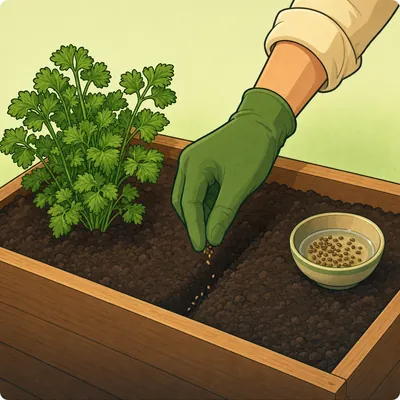
Soak the seed in warm water overnight; it softens the hard coat and saves you days of waiting. Sow 1/4 inch deep and keep the surface damp the whole time. Don't give up early: two to four weeks is normal.
First true leaves
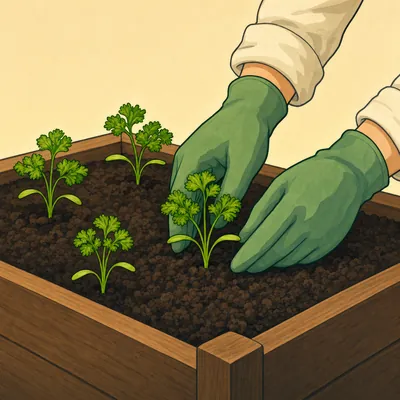
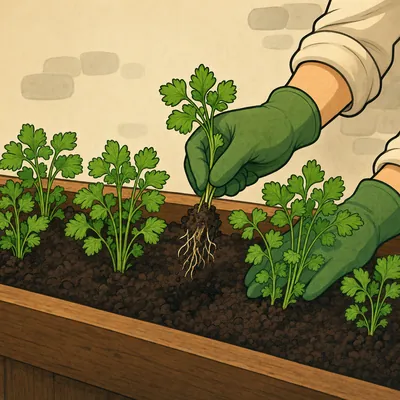
Once the seedlings have a couple of real leaves, thin them to 6 to 8 inches apart. Parsley grows a long taproot, so if you started seed indoors, move the seedlings while they're still small, ideally in pots that go straight into the ground. Our transplanting post has more.
Summer picking
Keep the soil evenly moist, about an inch of water a week, more in hot spells. A thin layer of mulch, such as shredded leaves or grass clippings, once the plants are a few inches tall helps hold that moisture. Parsley isn't a heavy feeder: test your soil and work in compost at planting. If older leaves turn pale after a few big pickings, a light side-dressing of nitrogen perks it up.
Winter
In mild zones, leave plants in the ground and keep picking. A cold frame stretches the season further north. In cold zones, dig a young plant into a deep pot before frost and keep it on a bright sill.
Second spring
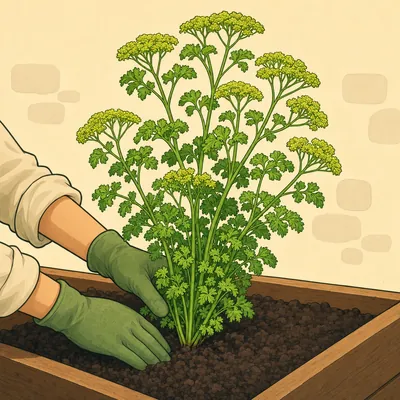
In its second year parsley sends up a flower stalk. The leaves get tougher and more bitter once that starts, so sow a fresh row each year and let the old plant flower for seed or for the insects.
Keeping it happy
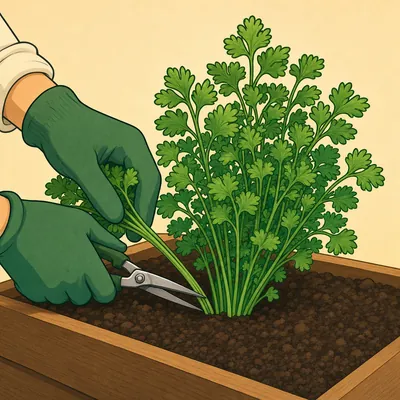
The more you pick, the bushier it gets, so cut regularly from the outside of the clump. Water at the base rather than over the leaves, and give plants room for air to move between them; damp, crowded foliage is where most of the leaf diseases start. Pull out any plant that has gone to seed unless you're saving it.
Trouble in the bed
Pests
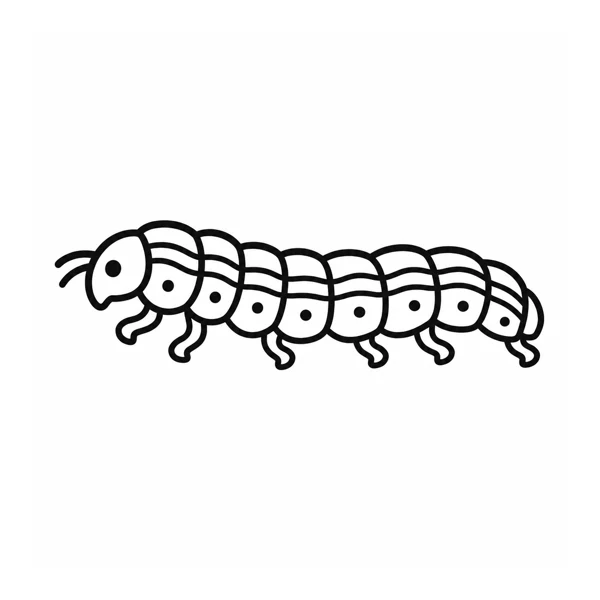
- Parsleyworm (black swallowtail caterpillar): Green with black bands and yellow dots. They rarely do serious harm. Move them to a few "butterfly plants" you've grown for them, or pick them off if they're on your kitchen row.
- Carrot weevil: The grubs tunnel into the roots and crown, and adults chew the leaves. Rotate where you grow parsley and its carrot-family cousins.
- Carrot rust fly: Its small maggots burrow into the taproot, so plants yellow and sulk. Row cover from sowing keeps the flies off.
- Aphids: Knock them off with a jet of water, or use insecticidal soap on bad patches.
Diseases
- Leaf spots and blights (Septoria leaf spot, Alternaria leaf blight, Cercospora leaf blight): Brown or tan spots that spread until leaves yellow and die. All three love wet leaves. Water the soil, not the plant, remove spotted stems, and don't grow parsley in the same spot year after year. Our crop rotation post shows how.
- Stem rot: Stems go soft and dark at the base in soggy, heavy soil. Good drainage and watering in the morning are the cure.
- Powdery mildew: A white dusting on the leaves, usually late in the season. Pick off the worst stems and keep the plants from crowding.
- Damping-off: Seedlings topple at the soil line. Use clean pots and fresh mix, and water from below; see bottom watering seedlings.
Good neighbors
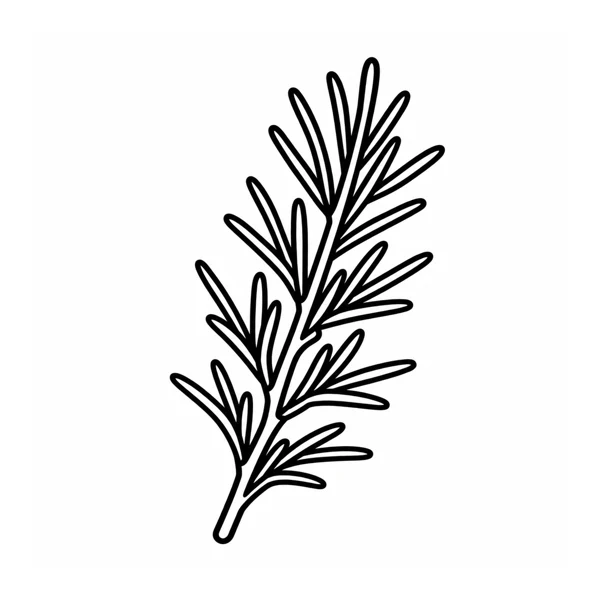


Good neighbors, and why:
- Chives: Happy in the same moist soil, and their oniony smell may help hide parsley from carrot rust fly.
- Lettuce: Same steady watering and the same cut-and-come-again picking, so one row of care covers both.
- Basil: Another herb that wants even moisture; together they make a good herb container.
- Tomato: Parsley tucks in at the feet of tomatoes, enjoys their light afternoon shade, and shares the mulch and water.
Keep apart:
- Mint: It spreads into the parsley and takes over.
- Carrots, Celery and Parsnips: Same family, same pests (carrot rust fly and carrot weevil). Grow them in different beds and rotate.
Bonus: If you let a plant flower in its second year, the small flat flower heads draw hoverflies and tiny beneficial wasps.
Seeds that grow well in your area in November
Affiliate links — shopping through these helps keep Evening Vines free. Johnny Jump Up
 Organic Cat Grass
 Arugula Microgreens
 Organic Alfalfa
Varieties worth growing
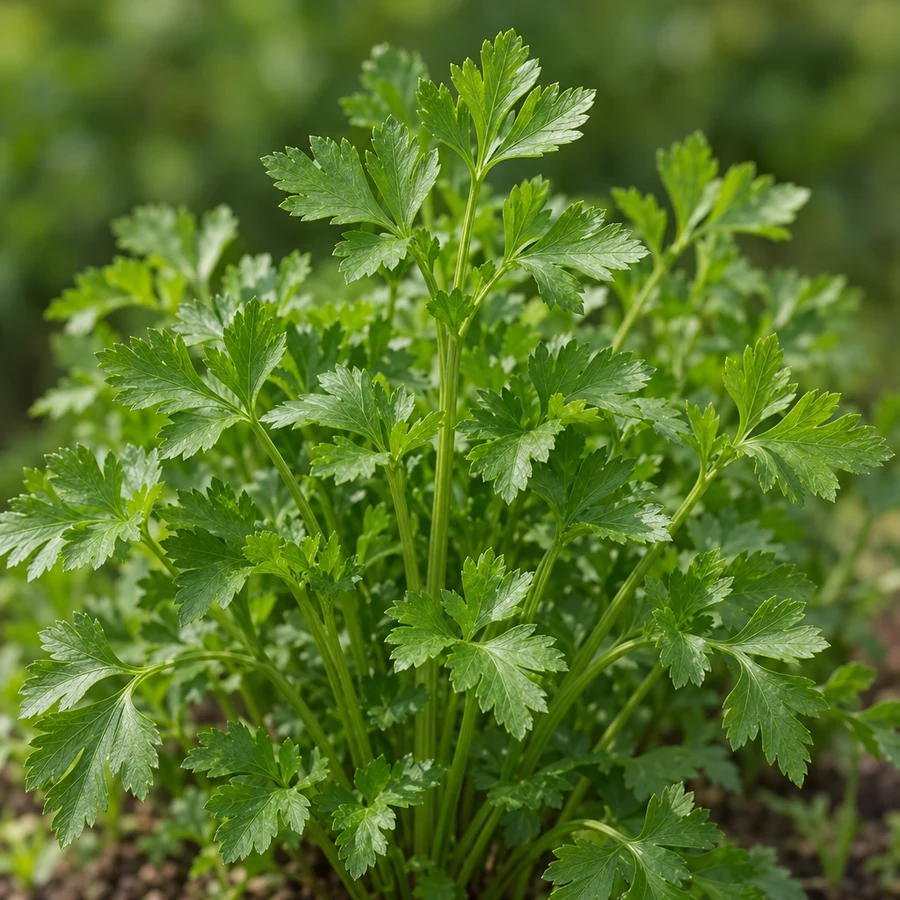
Giant of Italy
A big, flat-leaf type with strong flavor; the cook's choice.
Moss Curled
Tight, frilly leaves that hold up well as a garnish.
Triple Curled
Very dark green and deeply curled; compact plants.
Hamburg
Root parsley (var. tuberosum), grown for its parsnip-like root as much as its leaves.
Parsley seeds to buy
Affiliate links — shopping through these helps keep Evening Vines free.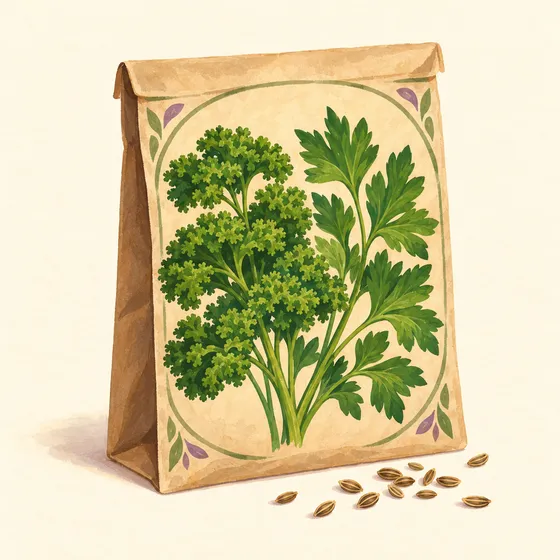 Forest Green
Picking notes
Start picking once the plant has a good clump of leafy stems, about 6 inches tall. Take the outer stems right down at the base and leave the young center ones to keep growing. Never strip more than a third of the plant at once. Use it fresh, freeze it, or dry it for winter (flat-leaf keeps more flavor than curly when dried).
Saving seed for next year
Parsley flowers in its second year. Let the seed heads ripen and turn brown on the plant, then cut them into a paper bag and shake the seed loose. Curly and flat types cross with each other, so grow only one kind in flower if you want seed that comes true. More in saving seeds from your garden.
From garden to table
Parsley is rich in vitamins A, C and K. Chop it into salads, sauces, soups and grain dishes, or use whole sprigs in stock. A word of care: parsley's family includes deadly wild lookalikes such as poison hemlock, so only eat parsley you planted yourself or bought.
Questions from the potting bench
Why is my parsley taking so long to come up? Two to four weeks is normal. Soak the seed overnight and keep the soil from drying out even once.
Will parsley come back next year? It's a biennial. In mild zones it lives through winter, then flowers and dies in its second year. Sow fresh each year for the best leaves.
Can I grow it inside in winter? Yes. Use a deep pot for the taproot and give it your sunniest window. See growing herbs on a windowsill.
Something is eating my parsley. Should I worry? If it's a striped green caterpillar, it's a future black swallowtail butterfly. Plant a little extra and share.
Grower reports
How did Parsley do in your garden? Members rate it and say which zone and month they planted, so everyone can see what works near them.
Recent community discussions
No one has talked about Parsley yet. Be the first.
Seeds to try
Affiliate links — shopping through these helps keep Evening Vines free.Essentials for Growing Parsley
 Grow Bags
Breathable fabric pots: grow almost anything on a patio, balcony or driveway, and roots never circle.
See it →
 Seed Starting Tray
Reusable tray with a clear dome to give seeds a warm, humid start indoors.
See it →
 LED Grow Light
Full-spectrum light for sturdy seedlings through short winter days.
See it →
 Pruning Shears
Sharp bypass pruners for harvesting, deadheading and tidying.
See it →
 Watering Can
Long-spout can for gentle watering of seedlings and pots.
See it →
 Organic Fertilizer
Slow-release organic plant food for vegetable beds and containers.
See it →
