
Pumpkins
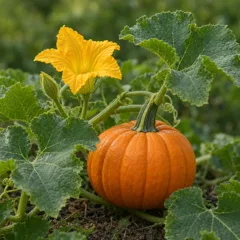
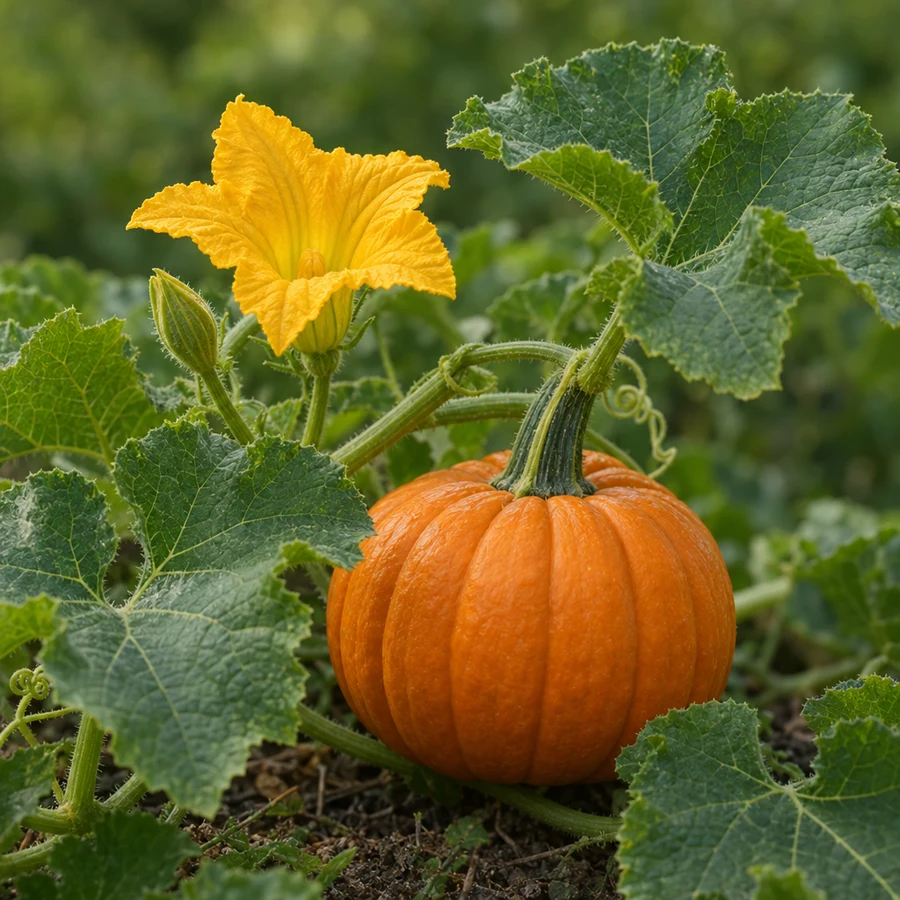
Pumpkins are sprawling warm-season vines with big, hard-skinned fruit. They want plenty of room, full sun and rich soil, and they reward a little patience with one of the best harvests of fall. If space is tight, the small types will scramble up a sturdy trellis instead of across the lawn.
Because pumpkins are annuals, what matters is the length of your frost-free summer, not your winter low. That's why zone 3 gardens can grow them, but only the quick, short-season types that ripen in about 100 days or less, such as Jack Be Little.
Recent community discussions
No one has talked about Pumpkins yet. Be the first.
At a glance
| Plant type | Vegetable (vining squash) |
| Botanical name | Cucurbita pepo, C. maxima, C. moschata |
| Annual or perennial | Annual |
| Sun | Full sun |
| Water | 1 to 2 inches per week |
| Spacing | Hills 2 to 5 feet apart, rows 4 to 8 feet apart (giant types need far more) |
| Planting depth | 1 inch |
| Days to germinate | 5 to 10 |
| Days to maturity | 90 to 120 |
| Best USDA zones | 3 to 11 (zone 3: short-season types only) |
| Soil pH | 6.0 to 6.8 |
From planting to harvest
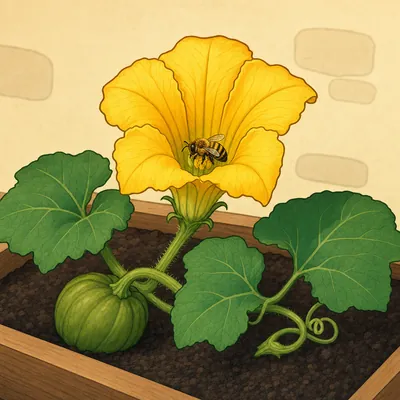
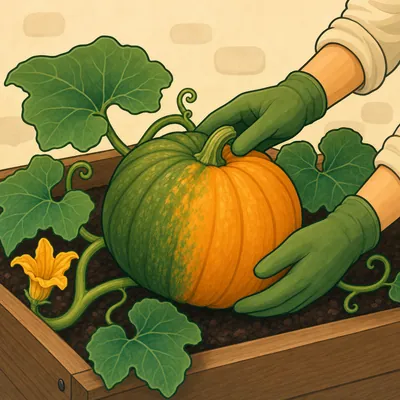
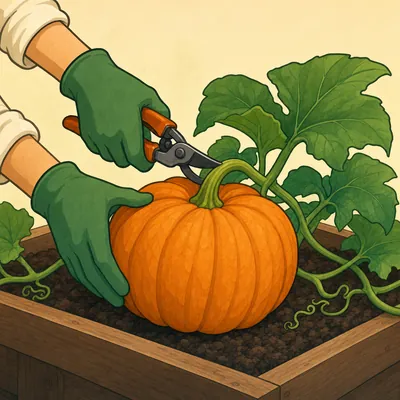
Is it pumpkins weather where you are? See everything to plant this month or read your zone notes.

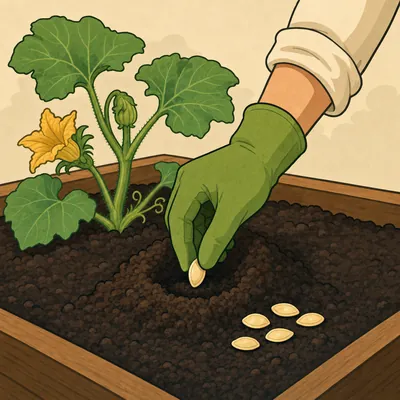
Sow outdoors 1–2 weeks after last frost when soil is 70–90°F (21–32°C). In warm zones, sow midsummer for fall harvest. Start indoors only where growing season is short.

90–120 days.

Zones 3–9, Sept?Oct; harvest when rind firm and color deep.

Fertile, well-drained sandy loam, pH 6.0–6.8. Needs organic matter and steady moisture.
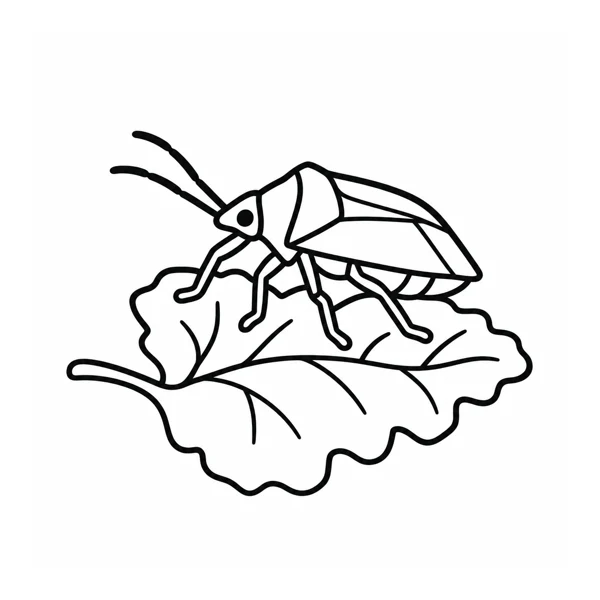
Pests to watch for




A little history
Two stories get tangled here, so here they are one at a time. First, squash is one of the oldest crops in the Americas: seeds found in Guilá Naquitz Cave in Oaxaca, Mexico, show Cucurbita pepo being grown there roughly 8,000 to 10,000 years ago, thousands of years before corn or beans.
Second, the Three Sisters, where squash grows alongside corn and beans in the same mound, came much later, after corn and beans had been domesticated and spread north. In parts of what is now the eastern United States, that planting only became common in the last thousand years or so before Europeans arrived.
When to sow in your zone
Spring: Sow outdoors 1 to 2 weeks after your last frost, once the soil has warmed to about 70°F. Seed sits and rots in cold ground, so waiting a week is never wasted. Our count-back guide helps you pin the date down.
For Halloween: Sow from late May in the North to early July in the Deep South. To fine-tune it, count your variety's days to maturity back from mid-October. Sow too early and the fruit can go soft before the big night.
Warm zones (9 to 11): A second sowing in July to August gives a late fall harvest, after the worst of the summer heat.
Pumpkin sowing by zone: Find your zone on our zone pages to see the pumpkin dates for where you live.
Growing it, step by step
From seed
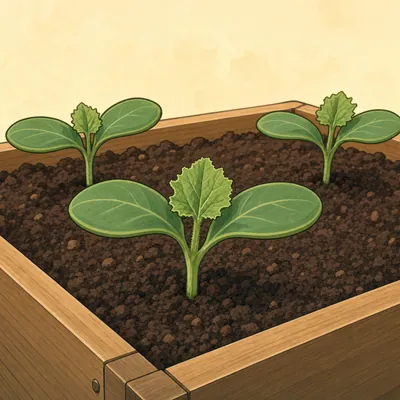
Sow 2 or 3 seeds per hill, 1 inch deep. Once the seedlings have a couple of true leaves, snip off all but the strongest at soil level. Pulling them out would tear the roots of the one you keep.
Moving it outside
Seedlings sulk when their roots are disturbed. If your summer is short and you want a head start, sow in biodegradable pots 3 to 4 weeks before planting out, and set the whole pot in the ground. More on that in planting out squash and cucumbers.
Water
Give the hills a long, deep soak at the base rather than a daily sprinkle, so roots go down and leaves stay dry. Wet leaves are an open door for mildew.
Mulch
A layer of straw keeps the soil evenly moist, smothers weeds under the vines and gives the fruit a clean, dry bed to sit on.
Feeding
Pumpkins are hungry plants. Dig a generous forkful of compost into each hill before you sow. Give them a second, lighter meal about a month later, as the plants start to sprawl, then hold back: extra nitrogen after the fruit sets grows leaves instead of pumpkins.
Keeping it happy
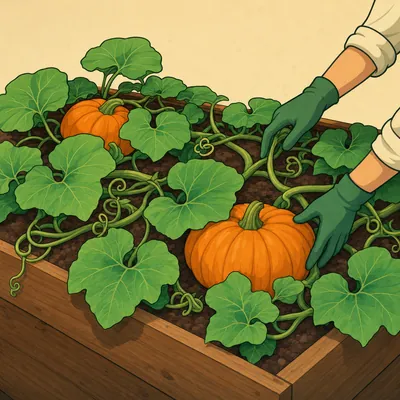
Vines can run 10 to 20 feet, so guide them where you want them early on. Slip a board or a pad of straw under each young fruit to keep it off damp soil and away from rot. If plenty of flowers open but no fruit forms, the bees may be missing; hand-pollinate in the morning. Grow squash-family crops in a different bed each year, because many of their pests and diseases wait in the soil.
Trouble in the bed
- Squash bugs: Check under leaves and crush the bronze egg clusters before they hatch. Row cover keeps adults off young plants; lift it once flowers open so bees can get in.
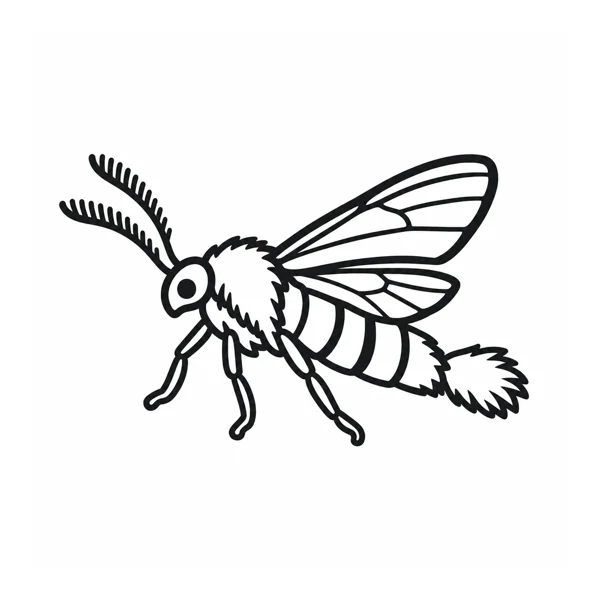
- Squash vine borers: A sudden wilt with sawdust-like frass at the base of a stem is the sign. Row cover until flowering stops the moths laying eggs.
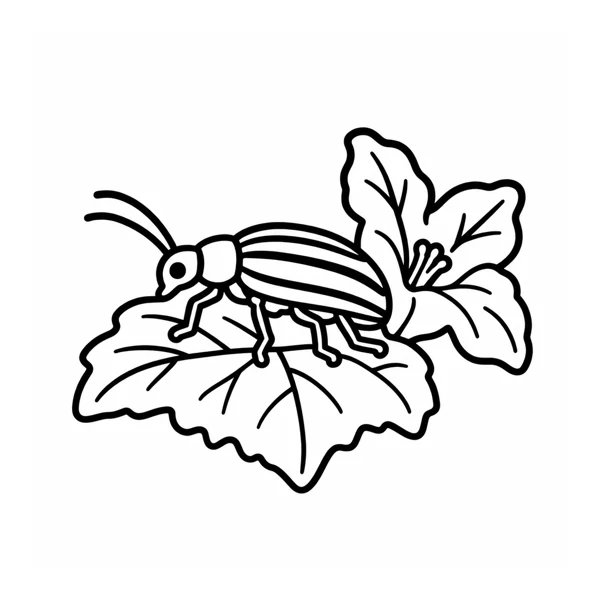
- Cucumber beetles: They chew leaves and also spread bacterial wilt, so cover young plants and clear garden debris where they shelter.
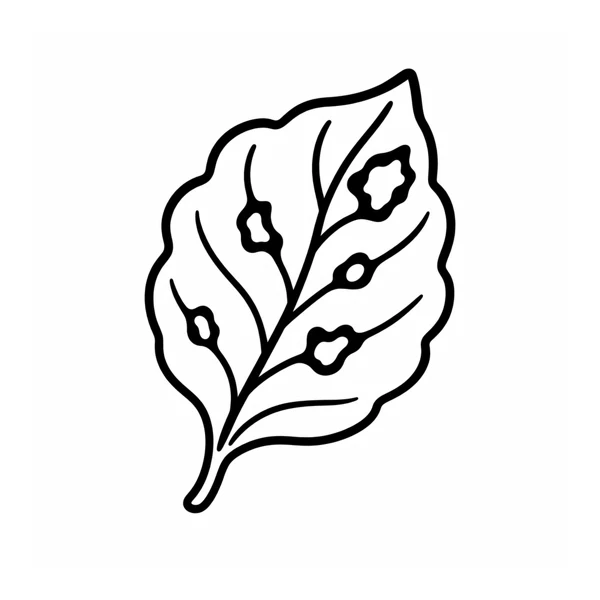
- Spider mites: Look for fine speckling on leaves in hot, dry spells. A strong spray of water under the leaves knocks them back.
- Aphids: Small in themselves, but they carry mosaic viruses from plant to plant, so deal with colonies early.
- Powdery mildew: White dust on the leaves, worst in late summer. Space plants for airflow and choose resistant varieties. See powdery mildew in late summer.
- Downy mildew: Yellow patches on top of the leaves with gray fuzz beneath, usually in cool, damp weather. Water at the base and keep leaves dry.
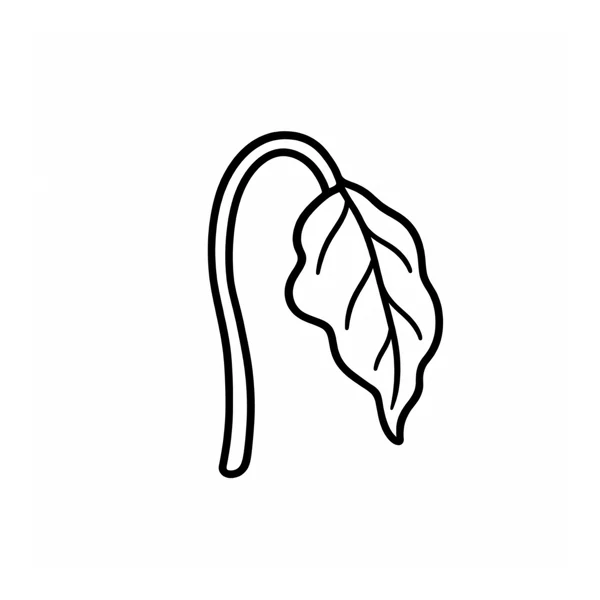
- Bacterial wilt: Vines collapse and don't recover. There's no cure once it starts, so controlling cucumber beetles is the best defense.
Good neighbors



These pairings are traditional garden advice rather than tested science, so treat them as old gardeners' wisdom. The best known is the Three Sisters planting: corn gives beans something to climb, and the broad pumpkin leaves shade the soil between them. Many gardeners also edge the patch with nasturtiums and marigolds for color and in the hope of luring pests away or pulling in pollinators.
Potatoes are usually given a bed of their own, mostly because both crops sprawl and both want the richest soil you have.
Seeds that grow well in your area in November
Affiliate links — shopping through these helps keep Evening Vines free. Rocket Larkspur
 Wild Lupine
 Common Milkweed
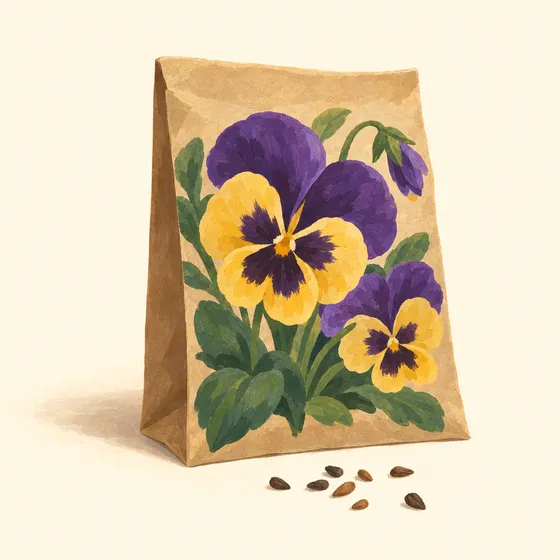 PansySeeds
Varieties worth growing
- Connecticut Field: The classic tall, ribbed jack-o'-lantern. Seeds
- Small Sugar: A small, sweet pie pumpkin with fine-grained flesh. Seeds
- Jack Be Little: A tiny decorative pumpkin that fits in your palm, and quick enough for short summers. Seeds
- Atlantic Giant: The exhibition giant. Give it far more room than the spacing above.
- Cinderella: A flattened, deep red-orange French heirloom, also sold as 'Rouge Vif d'Etampes'. Seeds
- Lumina: A white-skinned pumpkin with orange flesh, lovely for carving and display. Seeds
- Kabocha: Strictly a Japanese winter squash (C. maxima) that's often sold as pumpkin. Its dense, sweet flesh is wonderful roasted. See our winter squash page for more like it.
Pumpkins seeds to buy
Affiliate links — shopping through these helps keep Evening Vines free.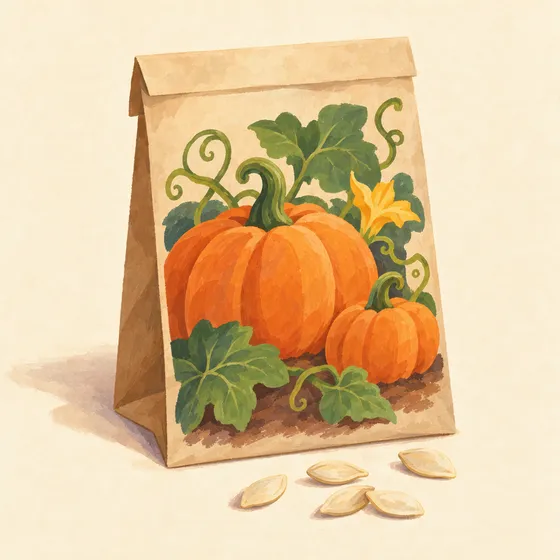 Jack Be Little
Picking notes
Pick when the rind is too hard to dent with a thumbnail and the stem has dried and turned corky. Cut, don't twist, leaving 3 to 4 inches of stem, because a snapped stem lets rot in. Bring them all in before a hard frost, cure about 10 days somewhere warm to toughen the skin, then store at 50 to 55°F. More detail in harvesting winter squash and pumpkins and storing squash for winter.
Saving seed for next year
Pumpkins of the same species cross freely. Most jack-o'-lantern and pie types are C. pepo, the same species as zucchini and many gourds, so bees will mix them. For seed that comes true, hand-pollinate a flower and tape or bag it shut. Our seed saving guide walks through it.
From garden to table
Pumpkin flesh is rich in vitamin A and fiber, and the seeds roast up into a fine snack. One warning: never eat squash or pumpkin that tastes bitter. Bitterness can mean high levels of cucurbitacins, which can make you quite ill.
Questions from the potting bench
Why do I get flowers but no fruit? The first flowers are usually all male, so give it a week or two. If female flowers (the ones with a tiny pumpkin behind them) still drop, pollination is the problem. Hand-pollinate in the morning.
How do I know it's ripe? The rind resists your thumbnail, the stem is dry and corky, and the color is deep all over.
Can I grow them in small spaces? Yes. Choose small types and train them up a sturdy trellis, with a sling under each fruit for support.
Grower reports
How did Pumpkins do in your garden? Members rate it and say which zone and month they planted, so everyone can see what works near them.
Recent community discussions
No one has talked about Pumpkins yet. Be the first.
Seeds to try
Affiliate links — shopping through these helps keep Evening Vines free.Essentials for Growing Pumpkins
 Grow Bags
Breathable fabric pots: grow almost anything on a patio, balcony or driveway, and roots never circle.
See it →
 Soaker Hose
Waters the roots slowly, not the leaves: less disease, less water, less work.
See it →
 Organic Fertilizer
Slow-release organic plant food for vegetable beds and containers.
See it →
 Seed Starting Tray
Reusable tray with a clear dome to give seeds a warm, humid start indoors.
See it →
 Trellis Netting
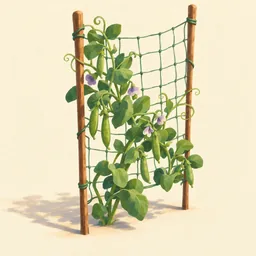
Strong netting for peas, beans, cucumbers and melons to climb: more crop in less space.
See it →
 Garden Hand Tools
Trowel, transplanter and cultivator: the three tools you reach for most.
See it →
