
Summer Squash
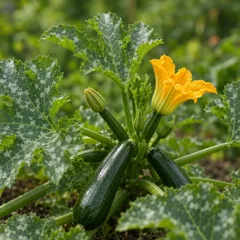
Summer squash is one of the most generous crops in the garden. Zucchini, yellow straightneck, crookneck, and pattypan types all grow fast on big, spreading bush plants and produce tender, thin-skinned fruits you eat young. A couple of plants usually feed a whole family.
Summer squash is a warm-season annual, so the zone number matters less than the calendar. If you have a stretch of warm, frost-free weather, you can grow it. Cold zones simply plant later and pick for a shorter window. Warm zones can often get two plantings. To find your own dates, start at the zone pages or count back from your last frost.
Recent community discussions
No one has talked about Summer Squash yet. Be the first.
At a glance
| Plant type | Vegetable (fruiting) |
| Botanical name | Cucurbita pepo |
| Annual or perennial | Annual |
| Sun | 6 to 8 or more hours of full sun |
| Water | 1 to 2 inches per week, deep and even |
| Spacing | 24 to 36 inches (bush types); 4 to 6 feet (vining types, unless trellised) |
| Planting depth | 1 inch |
| Days to germinate | 5 to 10 days |
| Days to maturity | 50 to 60 days |
| Best USDA zones | 3 to 11 (a frost-tender summer annual that grows almost anywhere with 60 to 90 frost-free days) |
| Soil pH | 6.0 to 6.8 |
From planting to harvest
Is it summer squash weather where you are? See everything to plant this month or read your zone notes.

Direct sow 1–2 weeks after last frost when soil is 65–70°F (18–21°C). In Zones 9–11, sow again in late summer for fall harvest.

50–60 days.

Zones 3–11, June?Aug; succession planting every 2–3 weeks keeps harvest steady.

Fertile clay loam or sandy loam, pH 6.0–6.8. Benefits from compost and steady moisture.
Pests to watch for





A little history
Squash was one of the first crops grown by Indigenous farmers in the Americas, part of the "three sisters" planting alongside corn and beans. Summer squash types were developed later and spread worldwide. Today zucchini is a staple in kitchens and gardens everywhere.
When to sow in your zone
Spring: Sow seed directly in the garden 1 to 2 weeks after the last frost, once the soil is at least 65°F. In short-summer areas, start seed indoors 3 to 4 weeks before planting out. There's more on setting them out in planting out squash and cucumbers.
Fall: Squash can't take frost, so a true fall crop only works in frost-free or very mild zones. In cooler areas, sow a second crop in midsummer, about 8 to 10 weeks before the first fall frost. This replaces plants lost to pests.
Growing it, step by step
Seeds in the ground
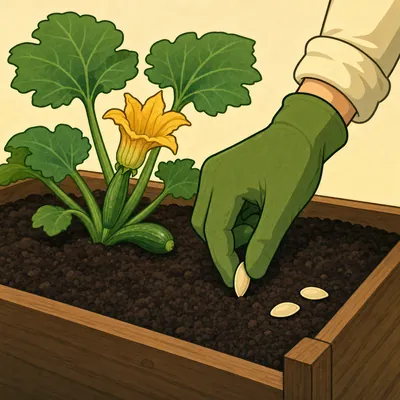
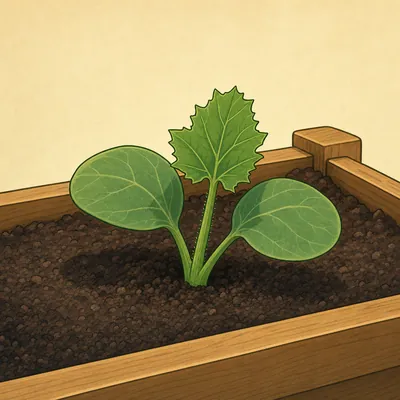
Sow 2 or 3 seeds per spot, 1 inch deep, in mounds or rows. Seedlings pop up in 5 to 10 days. Thin to the strongest one by snipping the extras. If you start seed indoors, use paper or peat pots that go into the ground whole, because squash sulks if its roots are pulled about.
Moving seedlings out
Harden seedlings off for a week, then plant after frost danger has passed. Space bush types 24 to 36 inches apart. Vining types need 4 to 6 feet unless you train them up a sturdy trellis. Handle roots gently and set plants at the same depth they grew before.
Watering, steady and deep
Give 1 to 2 inches per week, deeply at the base. Steady moisture helps the plant move calcium into its fruit, which keeps blossom end rot at bay, and it helps reduce stress-related bitterness. Water in the morning so leaves dry quickly.
A blanket of mulch
Spread 2 to 3 inches of straw or shredded leaves once the soil is warm. It holds moisture, keeps weeds down, and keeps fruits off bare soil. See mulching in spring for more.
Feeding
Mix compost into the planting site. When the first flowers appear, side-dress with a balanced fertilizer. Too much nitrogen means big leaves and few fruits.
Keeping it happy
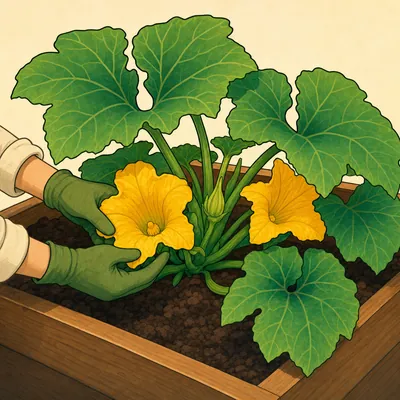
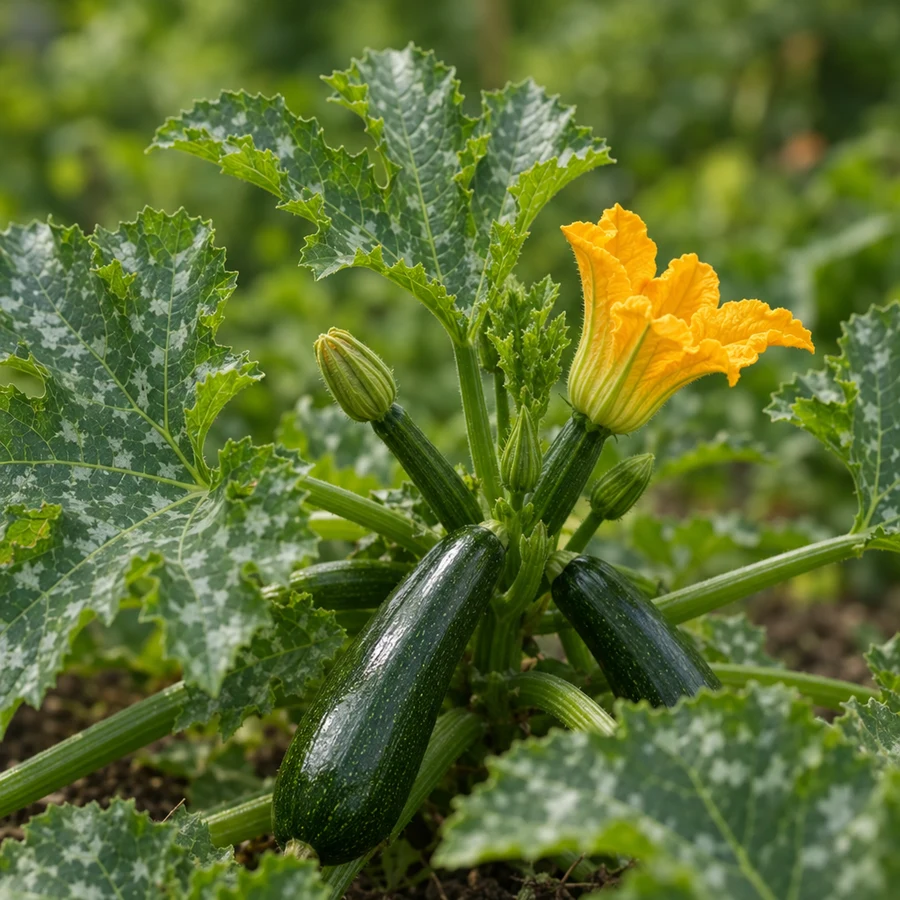
Check plants every day or two in season, because fruits grow quickly. Squash makes separate male and female flowers. If fruits start and then shrivel, bees may be scarce. You can hand-pollinate by dabbing pollen from a male flower into a female flower (the one with a tiny fruit behind it). Move squash to a fresh bed each year. Remove old leaves that touch the ground to improve airflow.
Trouble in the bed
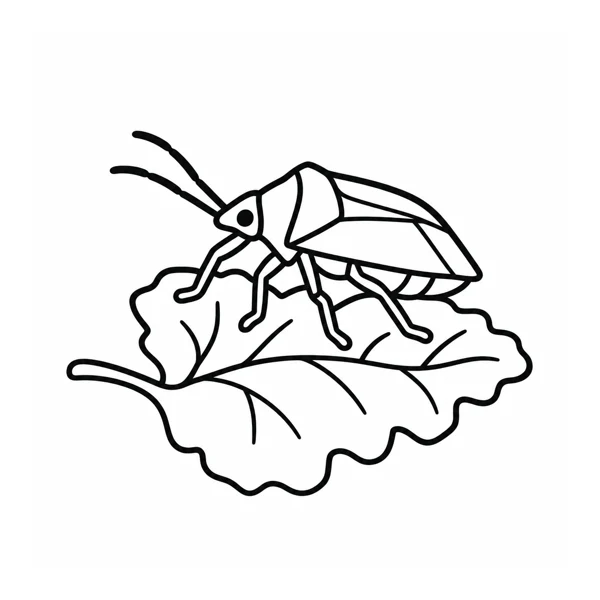
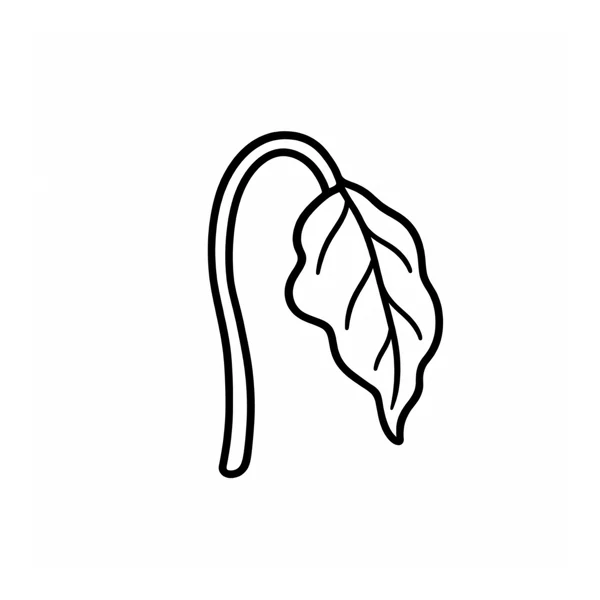
- Squash bugs: Gray-brown bugs that suck sap and make leaves wilt. Hand-pick adults and crush the copper-colored egg clusters on the leaves.
- Squash vine borers: Larvae that tunnel into stems and cause sudden wilting. Cover stems early and watch the base for sawdust-like frass.
- Powdery mildew: White coating on leaves in late summer. Give plants space and water at the base. More in powdery mildew in late summer.
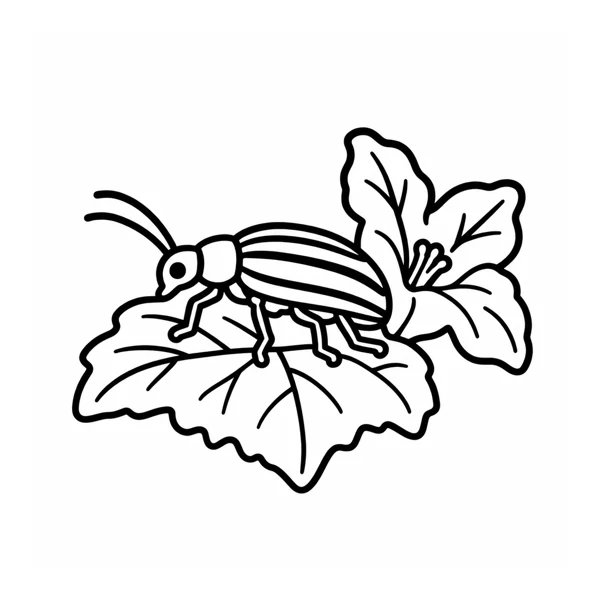
- Cucumber beetles: Striped or spotted beetles that chew leaves and flowers and can spread bacterial wilt. Use row cover until the plants flower.
- Aphids: Small soft insects that suck sap from the undersides of leaves and can spread mosaic viruses. Knock them off with a strong spray of water and pull any plant with mottled, twisted leaves.
Good neighbors

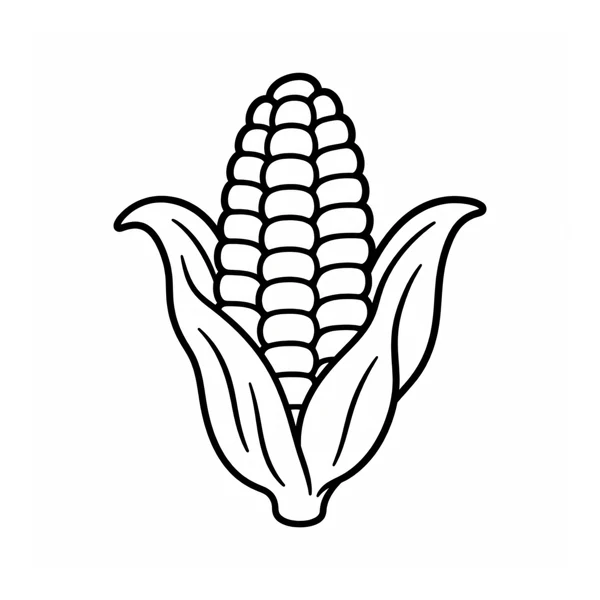



Squash is happy with nasturtiums and marigolds tucked around its edges, beans and corn close by in the old three sisters way, and a quick row of radishes sown between the hills before the leaves spread. Give potatoes a bed of their own. And don't put squash or its cousins back in the same spot year after year, so pests and diseases don't settle in.
Seeds that grow well in your area in November
Affiliate links — shopping through these helps keep Evening Vines free. Arugula Microgreens
 Organic Alfalfa
 Organic Wheatgrass
 Purple Coneflower
Varieties worth growing
- Black Beauty: Classic dark green zucchini, productive and reliable. Seeds
- Costata Romanesco: Ribbed Italian zucchini with nutty flavor.
- Early Prolific Straightneck: Yellow squash with smooth, tender fruit. Seeds
- Sunburst: Bright yellow pattypan, scalloped and buttery.
- Cocozelle: Striped Italian zucchini with rich flavor. Seeds
Summer Squash seeds to buy
Affiliate links — shopping through these helps keep Evening Vines free.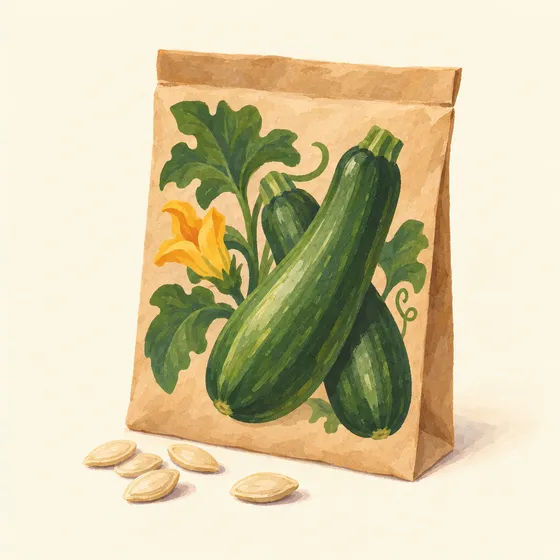 Black Beauty
Picking notes
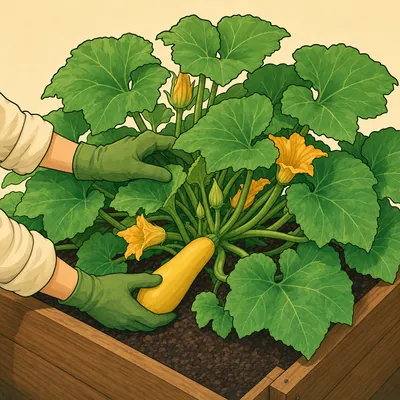
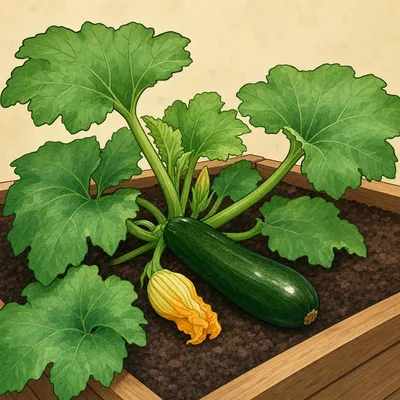
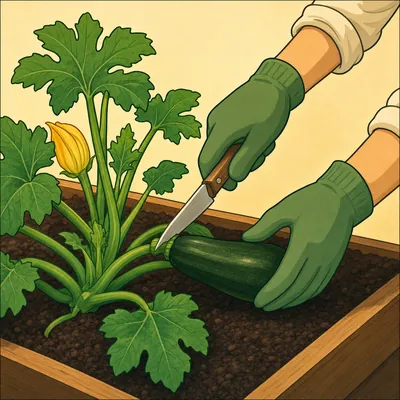
Pick zucchini at 6 to 8 inches long and pattypan at 3 to 4 inches across, while the skin is still tender. Check daily, since small fruits are best, and overgrown ones turn tough and seedy (there's more on this in pick summer squash small and often). Cut the stem with a knife rather than pulling. Blossoms are edible, too. Store unwashed in the fridge for up to a week, or freeze the extras.
When the picking starts depends on where you live. In zones 3 and 4, the first fruits usually come in late July or August and keep coming until the first frost in September. In the middle zones, expect squash from early or mid summer into early fall. In zones 9 to 11, plants often stall in the worst of the summer heat, so most gardeners pick a spring crop and then a second crop in fall, and the warmest spots can keep going into winter.
Saving seed for next year
Summer squash cross-pollinates readily with other Cucurbita pepo types (including pumpkins and some gourds), so hand-pollinate and bag flowers or grow only one variety. Let a fruit grow to a hard, oversized stage and ripen fully. Scoop out the seeds, rinse, and dry for 1 to 2 weeks. Store cool and dry for up to 4 years. Hybrids won't come true. See saving seeds from your garden for the basics.
From garden to table
Summer squash is low in calories and provides vitamin C, potassium, and manganese. Grill, sauté, roast, spiralize, bake into bread, or eat raw in salads. Both fruits and flowers are edible. If a squash tastes very bitter, don't eat it, and don't try to cook the bitterness out. Bitterness can come from heat or drought stress, but it can also be in the plant's genes, often from saved seed that crossed with a wild or ornamental gourd, and then better watering won't help.
Questions from the potting bench
Why are my squash flowers falling off without fruit? Early flowers are often male, and they drop naturally. If female flowers don't set, hand-pollinate.
Why are my zucchini rotting at the tip? That is blossom end rot. The young fruit isn't getting enough calcium, and uneven watering is usually what makes it worse, because the plant can't move calcium well when the soil swings between wet and dry. Most soils already hold enough calcium, so water steadily, mulch, and go easy on nitrogen. The first fruits are often the worst, and later ones usually come out fine.
How many plants do I need? Two or three plants will usually supply a family.
Grower reports
How did Summer Squash do in your garden? Members rate it and say which zone and month they planted, so everyone can see what works near them.
Recent community discussions
No one has talked about Summer Squash yet. Be the first.
Seeds to try
Affiliate links — shopping through these helps keep Evening Vines free.Essentials for Growing Summer Squash
 Grow Bags
Breathable fabric pots: grow almost anything on a patio, balcony or driveway, and roots never circle.
See it →
 Soaker Hose
Waters the roots slowly, not the leaves: less disease, less water, less work.
See it →
 Organic Fertilizer
Slow-release organic plant food for vegetable beds and containers.
See it →
 Seed Starting Tray
Reusable tray with a clear dome to give seeds a warm, humid start indoors.
See it →
 Insect Netting
Fine mesh that keeps cabbage worms, flea beetles and birds off your crops, no sprays needed.
See it →
 Garden Hand Tools
Trowel, transplanter and cultivator: the three tools you reach for most.
See it →
