
Sweet Peas
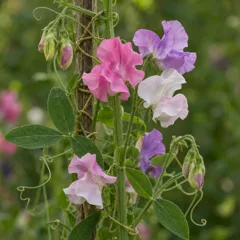
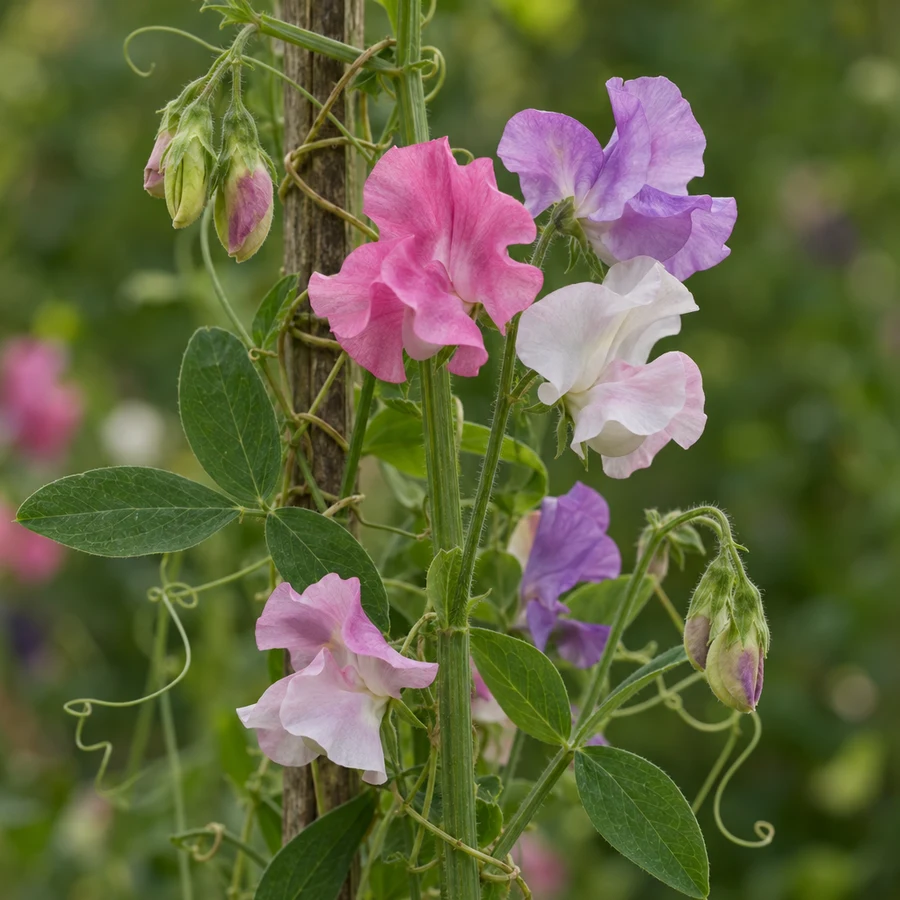
Sweet peas are beloved climbers with ruffled, richly scented flowers in pinks, purples, blues, whites, and reds. Vines scramble 5 to 6 feet or higher up netting, trellises, or fences, and the blooms are wonderful for cutting.
They are cool-season plants that stop blooming when the weather gets hot. In cold zones, sow as early as the ground can be worked. In mild zones, sow in fall for winter and spring flowers.
Safety note: Sweet peas (Lathyrus) are not edible. The seeds and pods are toxic to people and pets, so don't eat any part and keep them away from children, dogs, and cats.
Recent community discussions
No one has talked about Sweet Peas yet. Be the first.
At a glance
| Plant type | Climbing flower |
| Botanical name | Lathyrus odoratus |
| Annual or perennial | Annual |
| Sun | 6 or more hours of full sun; afternoon shade in warm climates |
| Water | About 1 inch per week, kept evenly moist |
| Spacing | 8 to 12 inches in beds and borders; 4 to 6 inches in single rows trained up a trellis for cut flowers |
| Planting depth | 1 inch |
| Days to germinate | 10 to 21 days |
| Days to maturity | 90 to 120 days to bloom |
| Best USDA zones | Grown as a cool-season annual almost anywhere: sown in fall in zones 8 to 10, and in late winter or early spring in zone 7 and colder |
| Soil pH | About 7.0 to 7.5 (neutral to slightly alkaline) |
Is it sweet peas weather where you are? See everything to plant this month or read your zone notes.

Direct sow 4–6 weeks before last frost in spring or in late summer for fall crops in mild zones. Prefers cool soil (45–60°F / 7–16°C).

Germinates in 10–21 days; blooms in 90–120 days.

Zones 2–10, Mar?June for fall planting; May?Sept for spring planting.

Moist, fertile silty clay loam, pH 6.0–7.5. Benefits from added compost.
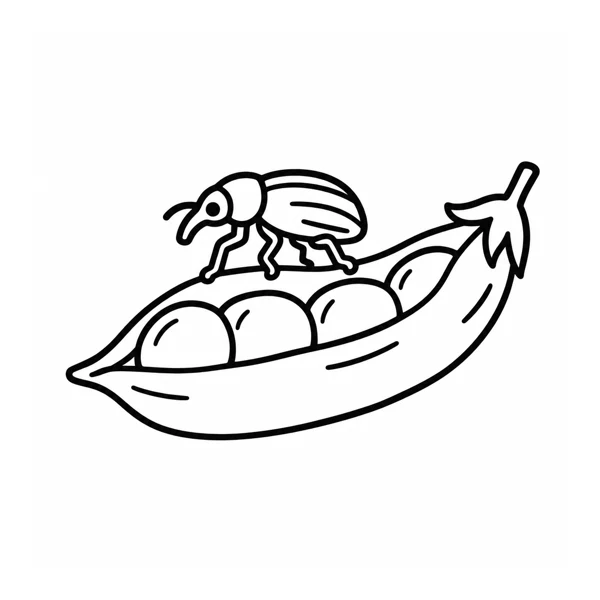
Pests to watch for





A little history
Sweet peas grew wild in Sicily and southern Italy and were brought into gardens in the late 1600s. Breeders in England transformed them into the large, frilly flowers we grow today. They remain a favorite in cottage gardens.
When to sow in your zone
Sweet peas want to do their growing while the weather is cool, so the right week depends on your zone. Look yours up on the zones page before you open the seed packet.
Fall (zones 8 to 10): Sow outdoors from about late September to November. The plants root through the cool months and flower in late winter and spring, well before the heat arrives. In zone 7, fall sowing is a gamble: only try it in a sheltered spot or under a cold frame, and have frost cover ready.
Late winter and spring (zone 7 and colder): Sow directly 4 to 6 weeks before your last frost, as soon as the soil can be worked. Young plants shrug off light frosts. In the coldest zones, get a head start by sowing indoors in late winter; see start sweet peas in late winter and count back from last frost to find your date.
Growing it, step by step
From seed
Sweet pea seed has a hard coat, so it can be slow to sprout. If you want to help it along, soak the seed in lukewarm water for a few hours (not for days) and sow it straight away, because swollen seed left sitting around tends to rot. Only the dark, mottled, rock-hard seeds need nicking: rub a tiny spot on the side opposite the "eye" with a nail file. Leave pale, brown, or wrinkled seed alone, as it sprouts fine without help and nicking can damage it. Sow 1 inch deep in soil at 55 to 65°F. Seedlings appear in 10 to 21 days. When seedlings have 3 to 4 sets of leaves, pinch the tip to encourage branching.
Moving it outside
If started indoors in deep pots, harden seedlings off and plant them 8 to 12 inches apart, or 4 to 6 inches apart if you're growing a single row up a trellis just for cutting. Set them at the base of a support and handle the roots carefully, since sweet peas dislike disturbance.
Water
Keep soil evenly moist, especially while vines grow and bloom. Water at the base and avoid soggy ground.
Mulch
Add 2 to 3 inches of mulch to keep roots cool, which prolongs flowering.
Feeding
Sweet peas like rich, well-drained soil that is neutral to slightly alkaline, about pH 7.0 to 7.5. If a soil test shows acid soil, work in garden lime a few weeks before sowing. Enrich the soil with compost before planting. Once buds form, feed every few weeks with a low-nitrogen, high-potash fertilizer such as tomato feed. Too much nitrogen gives leaves over flowers.
Keeping it happy
Give vines a trellis, netting, or twigs to climb. Pick flowers often, and remove seed pods as they form. Once pods mature, plants stop blooming. Heat shuts them down, so pull plants once they fade in summer. Protect from slugs and snails as seedlings emerge.
Trouble in the bed
- Slugs and snails: Chew seedlings and young shoots, especially on damp nights. Use traps or barriers and check plants after dark.
- Birds: Peck at seed and pull up young seedlings. Lay netting or brushy twigs over the row until plants are a few inches tall.
- Aphids: Cluster on tips and buds. Rinse off or use insecticidal soap.
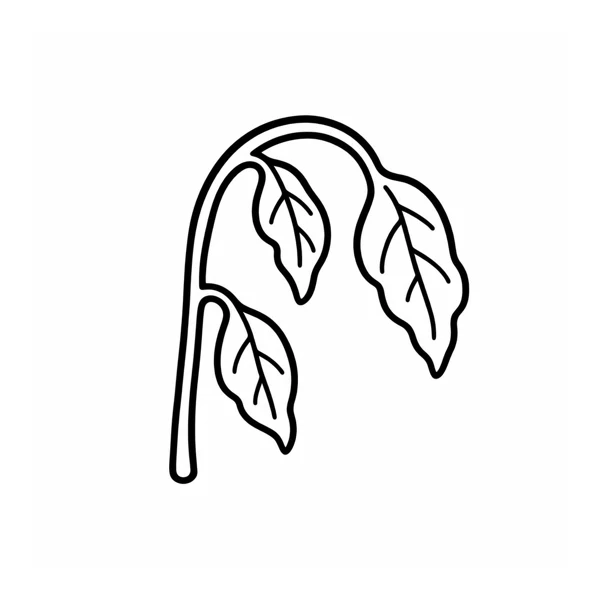
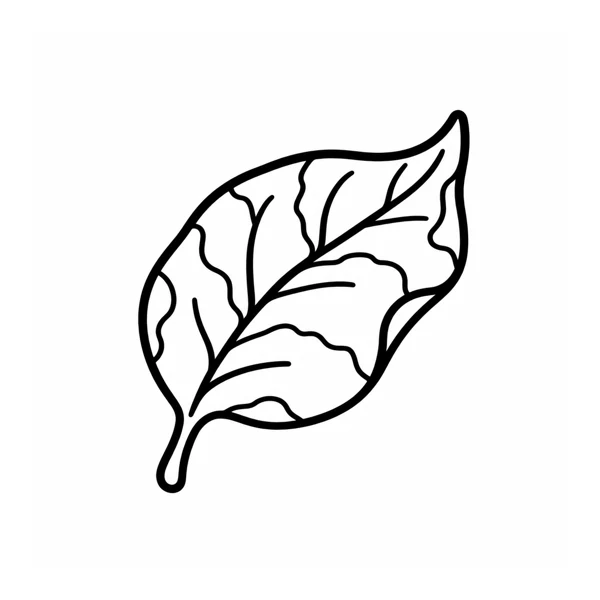
- Powdery mildew: Appears in warm, humid weather. Give plants airflow and water at the base.
- Root rot and damping off: Caused by cold, wet soil. Use well-drained ground and don't overwater.
Good neighbors



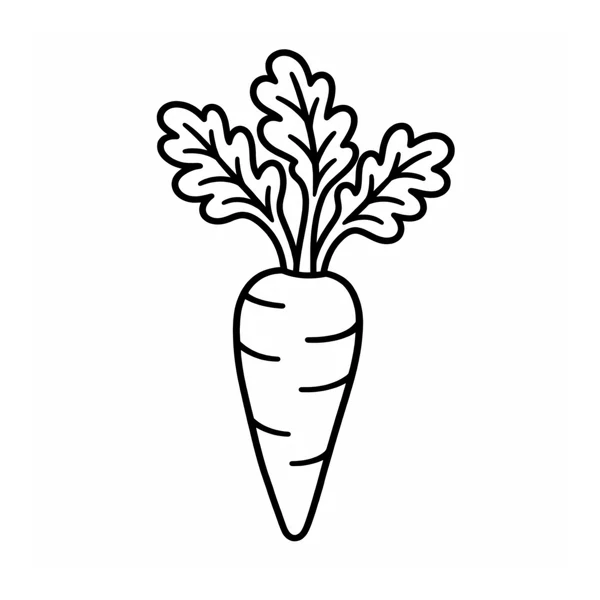



Good: Alyssum, nasturtiums, lettuce, carrots, and other low, cool-season crops that won't shade the base of the vines. Keep apart if you can: Garden peas and beans. They share aphids and mosaic viruses with sweet peas, so a little distance helps stop trouble spreading. Garden lore: Old gardeners say onions, garlic, and other alliums stunt peas and their relatives. There is little research behind it, but it costs nothing to give them a different bed.
Seeds that grow well in your area in November
Affiliate links — shopping through these helps keep Evening Vines free. Foxglove Mix
 Rocket Larkspur
 Wild Lupine
 Common Milkweed
Varieties worth growing
- Painted Lady: An old-fashioned bicolor, pink and white, with a strong scent.
- Matucana: Heirloom bicolor with maroon upper petals and violet wings, very fragrant.
- Cupid: Dwarf type that works in pots and baskets. Seeds
- Winter Elegance: Bred for winter blooming in mild climates.
- Old Spice: A mix of scented, smaller-flowered types.
Sweet Peas seeds to buy
Affiliate links — shopping through these helps keep Evening Vines free.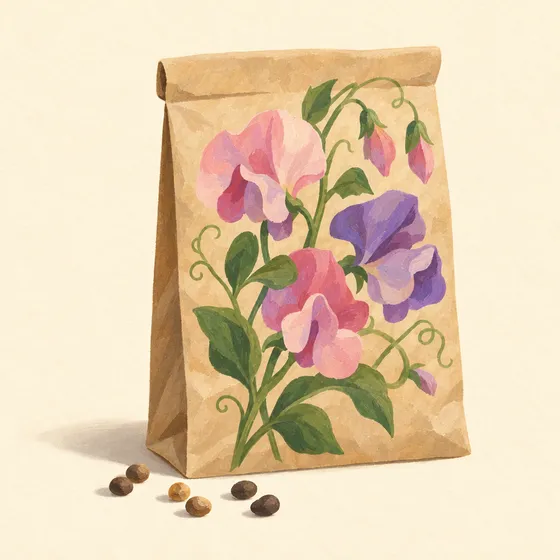 Royal Mix
Picking notes
Pick flowers as soon as the first few buds on a stem open. Cut stems long and often, and the plants will keep producing. Put them in water right away. Never pick seed pods to eat.
Saving seed for next year
Let a few pods ripen on the vine until they turn brown and dry, then collect and store the seeds in a cool, dry place. Keep seeds well out of reach of children and pets, because they are toxic. Seed stays viable for about 3 years. Named varieties and mixes may not come true.
From garden to table
Sweet peas are grown only for ornament and scent. They are not a food. Use them as cut flowers, on fences and trellises, and in containers. Do not confuse them with edible garden peas (Pisum sativum).
Questions from the potting bench
Are sweet peas edible? No. The seeds and pods are toxic. Grow them for flowers only.
Why did my sweet peas stop blooming? Heat or seed pods. Cut flowers often and remove pods, and expect them to fade in summer.
Why is germination slow? The seed coat is hard. Soak seeds for a few hours and sow them straight away, and nick only the dark, hard ones.
When should I sow sweet peas in my zone? In fall in zones 8 to 10, and in late winter or early spring in zone 7 and colder. Check your zone on the zones page.
Grower reports
How did Sweet Peas do in your garden? Members rate it and say which zone and month they planted, so everyone can see what works near them.
Recent community discussions
No one has talked about Sweet Peas yet. Be the first.
Seeds to try
Affiliate links — shopping through these helps keep Evening Vines free.Essentials for Growing Sweet Peas
 Grow Bags
Breathable fabric pots: grow almost anything on a patio, balcony or driveway, and roots never circle.
See it →
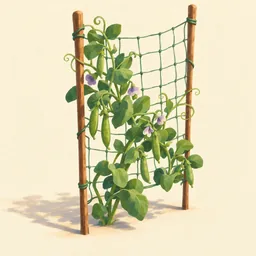 Trellis Netting
Strong netting for peas, beans, cucumbers and melons to climb: more crop in less space.
See it →
 Seed Starting Tray
Reusable tray with a clear dome to give seeds a warm, humid start indoors.
See it →
 Pruning Shears
Sharp bypass pruners for harvesting, deadheading and tidying.
See it →
 Plant Labels
Waterproof markers so you know what's coming up where.
See it →
 Organic Fertilizer
Slow-release organic plant food for vegetable beds and containers.
See it →
