
Wheatgrass
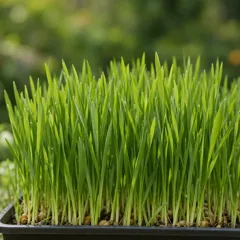
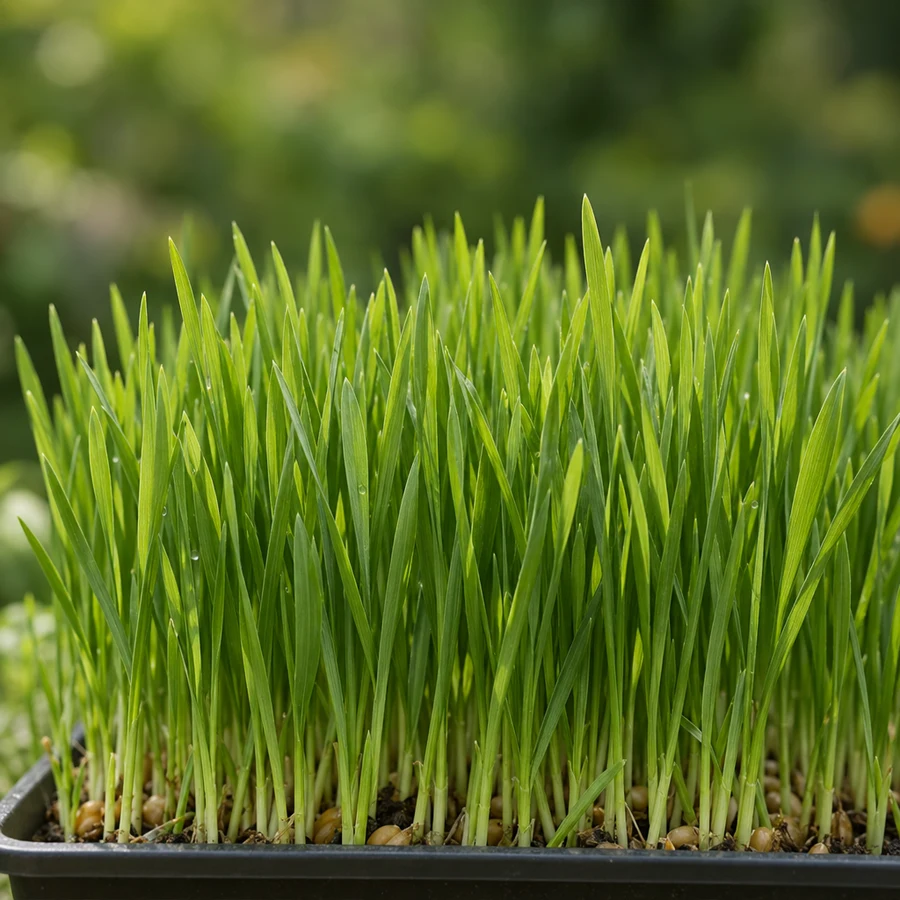
Wheatgrass is simply wheat harvested as a young grass, not allowed to grow to grain. Most people grow it indoors in shallow trays on a kitchen counter or windowsill. It sprouts fast, grows to 6 to 8 inches in about a week and a half, and can be juiced, blended, or set out as cat grass for pets. If you enjoy quick tray crops, it sits happily alongside microgreens and sprouts.
Because it is grown indoors, zones hardly matter. Outdoors, wheat is a cool-season cereal grain that grows in zones 3 to 9, but this page focuses on tray-grown wheatgrass.
Recent community discussions
No one has talked about Wheatgrass yet. Be the first.
At a glance
| Plant type | Grass (grown as a sprout or young green; also called cat grass) |
| Botanical name | Triticum aestivum |
| Annual or perennial | Annual |
| Sun | Bright, indirect light indoors; full sun outdoors |
| Water | Keep evenly moist, with light daily watering or misting |
| Spacing | Sown thickly in trays; about 1 inch apart outdoors |
| Planting depth | Surface-sown on soil in trays; outdoors, 1 to 1.5 inches deep for winter wheat and 1.5 to 2 inches for spring wheat |
| Days to germinate | 2 to 4 days |
| Days to maturity | 7 to 10 days after sowing to cut as grass; about 90 to 120 days for a spring wheat grain crop; winter wheat sown in fall is harvested the next summer |
| Best USDA zones | Any zone indoors; 3 to 9 for outdoor grain crops |
| Soil pH | 6.0 to 7.0 |
Is it wheatgrass weather where you are? See everything to plant this month or read your zone notes.

Sow indoors year-round in trays; outdoors in spring or fall. Harvest 7–10 days after germination.

7–10 days to harvest.

Zones 3–10, indoors year-round; outdoors in spring?summer, best cut at early growth stage.

Fertile, moist silty loam, pH 6.0–7.5. Benefits from good aeration.

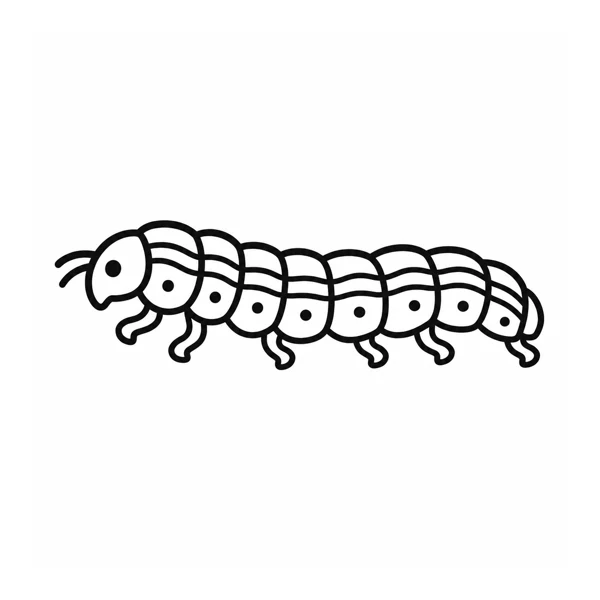


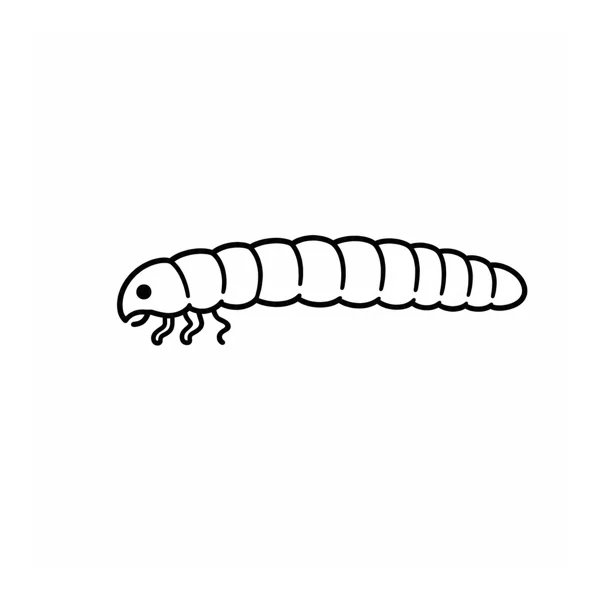
Diseases


A little history
Wheat is one of the oldest cultivated crops, grown across the Middle East for more than 10,000 years. Wheatgrass as a drink became popular in the 20th century as people began juicing young cereal grasses.
When to sow in your zone
Spring: You can sow indoors any day of the year. For outdoor grain, sow spring wheat as soon as the soil can be worked.
Fall: Sow winter wheat outdoors in fall so it establishes before winter. Indoors, tray wheatgrass can be started any time.
Growing it, step by step
From seed
Use untreated wheat berries sold for sprouting or growing, not seed treated for farm planting. Soak 1 cup of berries in water for 8 to 12 hours, drain, and rinse. Spread them thickly on a tray of moist potting mix or on a damp mat. Cover with a damp cloth or another tray for 2 to 3 days until roots form, then uncover. Our microgreens post walks through the same tray setup.
Water
Mist or water lightly once or twice a day, keeping the soil damp but not soggy. Pour off any standing water. Too much water invites mold.
Feeding
Not needed for the week-and-a-half tray cycle. Wheat berries carry their own energy. For outdoor grain, work compost into the soil and add a little nitrogen in spring.
Outdoor grain
Tray wheatgrass never needs transplanting or mulch: it grows in the same tray from sowing to cutting. If you grow wheat outdoors for grain, sow it straight into a prepared bed, 1 to 1.5 inches deep for winter wheat and 1.5 to 2 inches for spring wheat. Seed sown shallower than an inch is more likely to be lost over winter. A thin layer of straw keeps the soil moist and the birds off the seed.
Keeping it happy
Place trays in bright, indirect light at 65 to 75°F with good airflow. A small fan nearby discourages mold. Keep trays out of hot, direct sun. Rinse the berries well before sowing, and wash your trays between batches. Once cut, the grass will regrow once or twice, but each cut comes back thinner and tougher, so start fresh trays for the most tender grass. Compost the used root mats.
Safety note: Mold is the main concern. Throw out any batch with a musty smell or fuzzy white or gray growth that isn't root hair. Wheat contains gluten. Grass cut before the plant forms seed heads has no gluten of its own, but stray seeds can end up in the harvest, so people with celiac disease should check with a doctor before using it. People with a wheat allergy should avoid wheatgrass altogether, since the allergy is to wheat itself, not just its gluten.
Trouble in the bed
- Mold: Fuzzy growth at the base from damp, stagnant air. Improve airflow, water less, and start with clean seed and trays.
- Damping off and root rot: Seedlings collapse in soggy soil. Use clean trays with drainage and don't overwater. See damping-off and root rot.
- Fungus gnats: Tiny flies in damp potting mix. Let the surface dry slightly and use sticky traps.
- Aphids and rust (outdoors): Rinse off aphids, and choose resistant varieties and rotate crops to avoid rust.
Good neighbors
Good: Outdoors, wheat does well with clover, peas, and other legumes grown in rotation. Indoors, it shares windowsill space with herbs such as parsley and chives.
Avoid: Heavy feeders that crowd the soil, and planting wheat after other grains in the same bed.
Seeds that grow well in your area in November
Affiliate links — shopping through these helps keep Evening Vines free. Moonbeam
 Foxglove Mix
 Rocket Larkspur
 Wild Lupine
Varieties worth growing
- Hard red winter wheat: The most common type sold for wheatgrass, sown in fall outdoors. Seeds
- Hard red spring wheat: Sown in spring and grows well as wheatgrass. Seeds
- Soft white wheat: A mild type used for baking, also sprouts well.
- Hard white wheat: Has pale bran, so the grain is lighter in color and milder in taste than red wheat.
These are widely sold wheat classes rather than brand varieties. Look for packages labeled for sprouting or wheatgrass.
Other grains you'll see sold for tray growing:
- Khorasan wheat (sold as Kamut): An old wheat with large, long kernels.
- Spelt: A close cousin of bread wheat; buy berries sold for sprouting.
- Einkorn: One of the first wheats people farmed, with small kernels.
- Triticale: A cross between wheat and rye.
- Barley grass: Not wheat at all but barley, grown in a tray the same way.
Wheatgrass seeds to buy
Affiliate links — shopping through these helps keep Evening Vines free.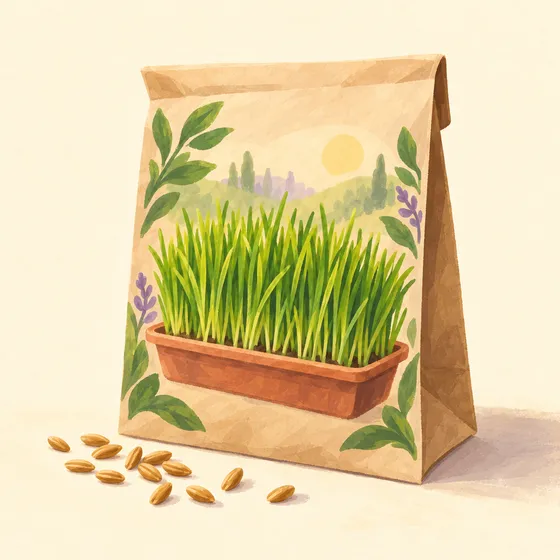 Organic Wheatgrass
Picking notes
Cut the grass with clean scissors about an inch above the soil when it is 6 to 8 inches tall, usually 7 to 10 days after sowing, in any month of the year. Use it fresh for the best flavor, or store cut grass in the fridge in a sealed container for up to a week. Juice it in a juicer designed for grasses. Cat grass can be left growing in the tray for pets to nibble. Outdoors, winter wheat sown in fall is ready to harvest in early to midsummer, and spring wheat in late summer.
Saving seed for next year
Wheatgrass is grown from fresh wheat berries each time, so seed saving is not needed. If you grow wheat outdoors for grain, let it ripen to golden-yellow heads, dry fully, thresh and winnow, and store the grain in a cool, dry, airtight container. Wheat self-pollinates, so varieties usually come true.
From garden to table
Wheatgrass contains chlorophyll, vitamins A, C, and E, and small amounts of minerals. It tastes grassy and slightly sweet. Blend it into smoothies, take it as a juice shot, or sprinkle on salads. It is also a popular treat for cats, which like to nibble it.
Questions from the potting bench
How fast does wheatgrass grow? Sprouts appear in 2 to 4 days, and it is ready to cut 7 to 10 days after sowing.
Why is my wheatgrass moldy? Usually too much water or poor airflow. Water lightly, add a fan, and start over with clean trays.
Can I give it to my cat? Yes, in moderation. Plain tray-grown wheatgrass is a safe treat, but a cat that eats a lot of it can get an upset stomach, so let them nibble rather than graze all day. Make sure it is free of mold and grown without chemicals. More on growing it for pets on our cat grass page.
Grower reports
How did Wheatgrass do in your garden? Members rate it and say which zone and month they planted, so everyone can see what works near them.
Recent community discussions
No one has talked about Wheatgrass yet. Be the first.
Seeds to try
Affiliate links — shopping through these helps keep Evening Vines free.Essentials for Growing Wheatgrass
 Grow Bags
Breathable fabric pots: grow almost anything on a patio, balcony or driveway, and roots never circle.
See it →
 Seed Starting Tray
Reusable tray with a clear dome to give seeds a warm, humid start indoors.
See it →
 LED Grow Light
Full-spectrum light for sturdy seedlings through short winter days.
See it →
 Watering Can
Long-spout can for gentle watering of seedlings and pots.
See it →
 Plant Labels
Waterproof markers so you know what's coming up where.
See it →
 Organic Fertilizer
Slow-release organic plant food for vegetable beds and containers.
See it →
