
Orange
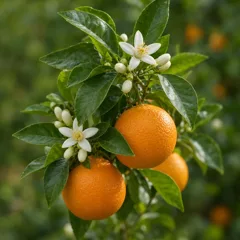
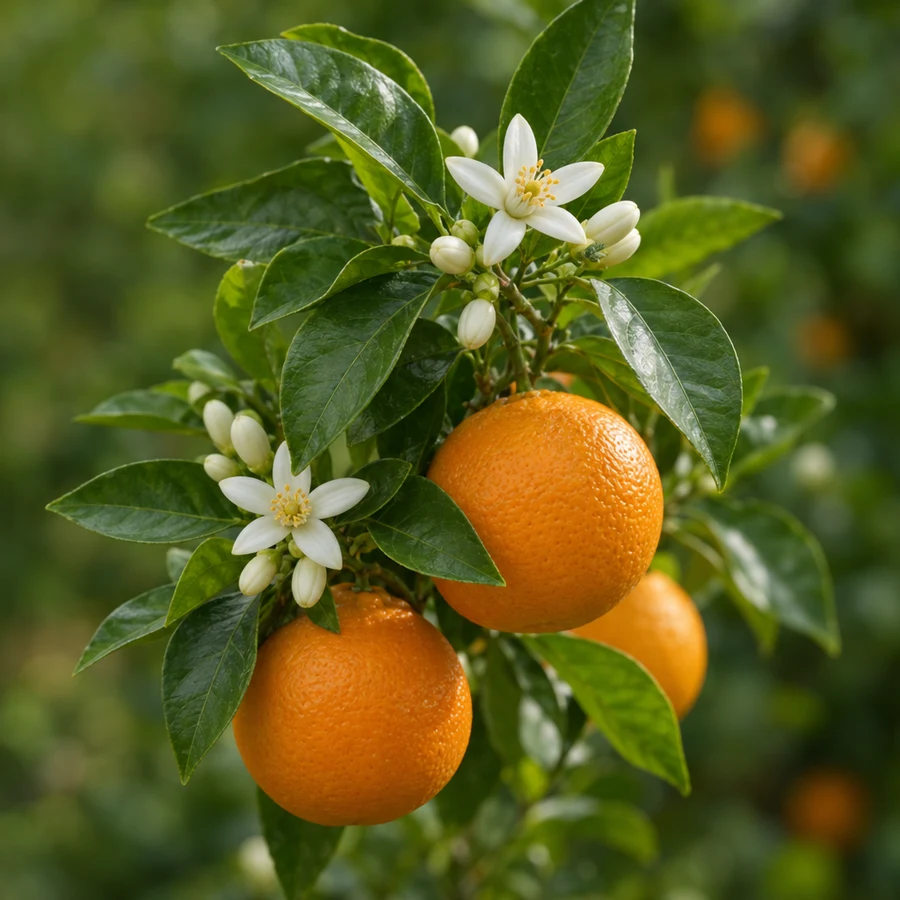
Orange trees offer glossy evergreen leaves, fragrant blossoms, and sweet fruit. They need sun, warmth, and good drainage. In colder areas, grow them in large containers and bring them indoors for winter.
Recent community discussions
No one has talked about Orange yet. Be the first.
At a glance
| Plant type | Fruit tree (evergreen citrus) |
| Botanical name | Citrus × sinensis (sweet orange) |
| Annual or perennial | Perennial |
| Sun | Full sun (8+ hours) |
| Water | Deep, regular watering |
| Spacing | Dwarf 6 to 10 feet; standard 12 to 25 feet |
| Planting depth | Same as the nursery pot, top of root ball slightly above soil |
| Years to first crop | 2 to 4 (grafted tree) |
| Fruit ripening | 7 to 15 months after bloom, by variety |
| Best USDA zones | 9 to 11 outdoors; containers elsewhere |
| Soil pH | 6.0 to 7.5 |
Is it orange weather where you are? See everything to plant this month or read your zone notes.

Start seeds indoors year-round in warm zones; in cooler areas, sow indoors in late winter for transplant after frost.

3–10 years to fruit (seed); grafted in 3–4 years; fruit cycle months long.

Zones 9–11, late fall?spring; Navels in winter, Valencias in late spring?summer; in warm climates harvestable year-round.

Well-drained sandy loam, pH 6.0–7.5. Requires fertility and consistent watering.
Pests to watch for







A little history
Sweet oranges came from southern China and Southeast Asia and spread west through trade. Spanish explorers brought them to the Americas.
When to Plant
Spring: Plant a grafted tree after the last frost.
Fall: In zones 9 to 11, early fall planting works if frost isn't near. In colder zones, keep potted trees indoors from the first frost.
Growing it, step by step
Planting
Choose a sunny, sheltered spot with excellent drainage. Dig a hole as deep as the root ball and 2 to 3 times wider. Keep the graft union above the soil. In containers, use citrus mix and pots with drainage holes.
Buy a young grafted tree from a certified nursery near you, and check your state's citrus quarantine rules first. Florida, Texas, California, Louisiana and part of Arizona restrict moving citrus trees, cuttings and leafy clippings because of citrus greening and citrus canker.
Moving it outside
Move or repot in spring. Keep the root ball intact and water well afterward.
Water
Water deeply, then let the top few inches dry. Young trees need water more often.
Mulch
Spread 2 to 3 inches of mulch in a wide ring, 6 inches from the trunk.
Feeding
Use a citrus fertilizer 3 to 4 times from spring to late summer. Follow the label.
Keeping it happy
Protect from frost with covers or by moving pots indoors. Prune lightly to remove dead wood and suckers below the graft. Remove fruit in the first year so the tree can root. Some states restrict moving citrus trees because of citrus greening, so buy from a licensed local nursery.
Trouble in the bed
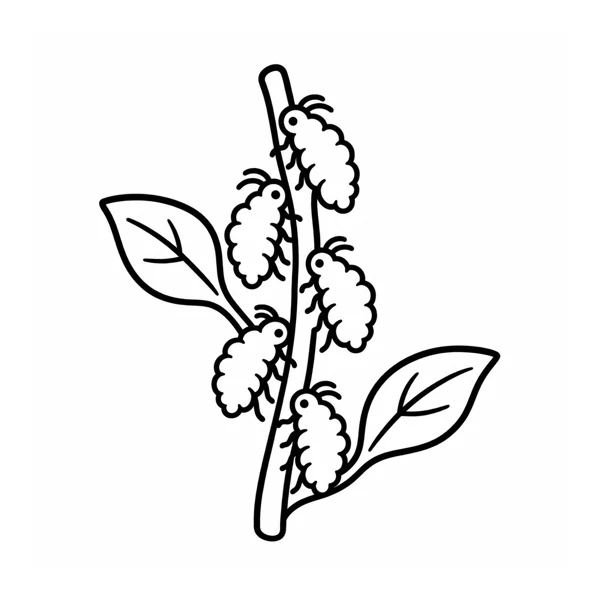
- Aphids: Wash off or use insecticidal soap.
- Scale: Dab with rubbing alcohol or use horticultural oil.
- Citrus leafminer: Protect new growth and prune damaged tips.
Good neighbors






Good: Basil, chives, thyme, and marigolds under the canopy.
Avoid: Lawn grass right up to the trunk.
Varieties worth growing
- Washington navel: Seedless, easy to peel, ripens in winter.
- Valencia: Juicy, ripens late spring into summer; the classic juice orange.
- Cara Cara: Pink flesh, sweet and low in acid.
- Moro blood orange: Red flesh, ripens in winter.
Seeds that grow well in your area in November
Affiliate links — shopping through these helps keep Evening Vines free. Purple Coneflower
 Stinging Nettle
 Smooth Blue Aster
 Polka Dot Mix
Picking notes
Oranges don't ripen further after picking, so taste one first. Clip the fruit with a short stem. Ripe fruit can hang on the tree for weeks.
Propagation
Oranges are grafted onto rootstock. Seed-grown trees take many years to fruit and may not match the parent, so buy a grafted tree. Most sweet oranges are self-fertile, so one tree is enough.
From garden to table
Oranges are high in vitamin C and provide fiber and folate. Eat them fresh, juice them, or use the zest in baking. Citrus peel oils can bother pets if eaten in quantity.
Questions from the potting bench
Can I grow an orange indoors? Yes, in a bright window, with summers outdoors if possible.
Why are the leaves yellow? Cold, overwatering, or low nutrients.
Do I need two trees? No. Most sweet oranges are self-fertile.
Saving seed for next year
Seed Saving If you want to save seeds from your oranges for future planting: Harvest the Fruit: Pick ripe oranges and cut them open to collect the seeds. Clean the Seeds: Wash the seeds to remove pulp, and let them dry on a paper towel for a few days. Germinating: Soak the seeds in water for 24 hours to help them germinate, then plant in well-draining soil. Keep the soil warm and moist until they sprout (usually in 2 to 3 weeks). Transplanting: Once seedlings are large enough, transplant them into a larger pot or directly into the garden.
Grower reports
How did Orange do in your garden? Members rate it and say which zone and month they planted, so everyone can see what works near them.
Recent community discussions
No one has talked about Orange yet. Be the first.
Essentials for Growing Orange
 Grow Bags
Breathable fabric pots: grow almost anything on a patio, balcony or driveway, and roots never circle.
See it →
 Organic Fertilizer
Slow-release organic plant food for vegetable beds and containers.
See it →
 Pruning Shears
Sharp bypass pruners for harvesting, deadheading and tidying.
See it →
 Insect Netting
Fine mesh that keeps cabbage worms, flea beetles and birds off your crops, no sprays needed.
See it →
 Soaker Hose
Waters the roots slowly, not the leaves: less disease, less water, less work.
See it →
 Garden Hand Tools
Trowel, transplanter and cultivator: the three tools you reach for most.
See it →
