
Corn
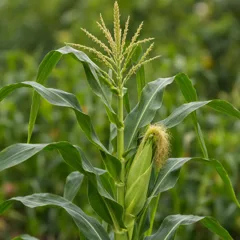
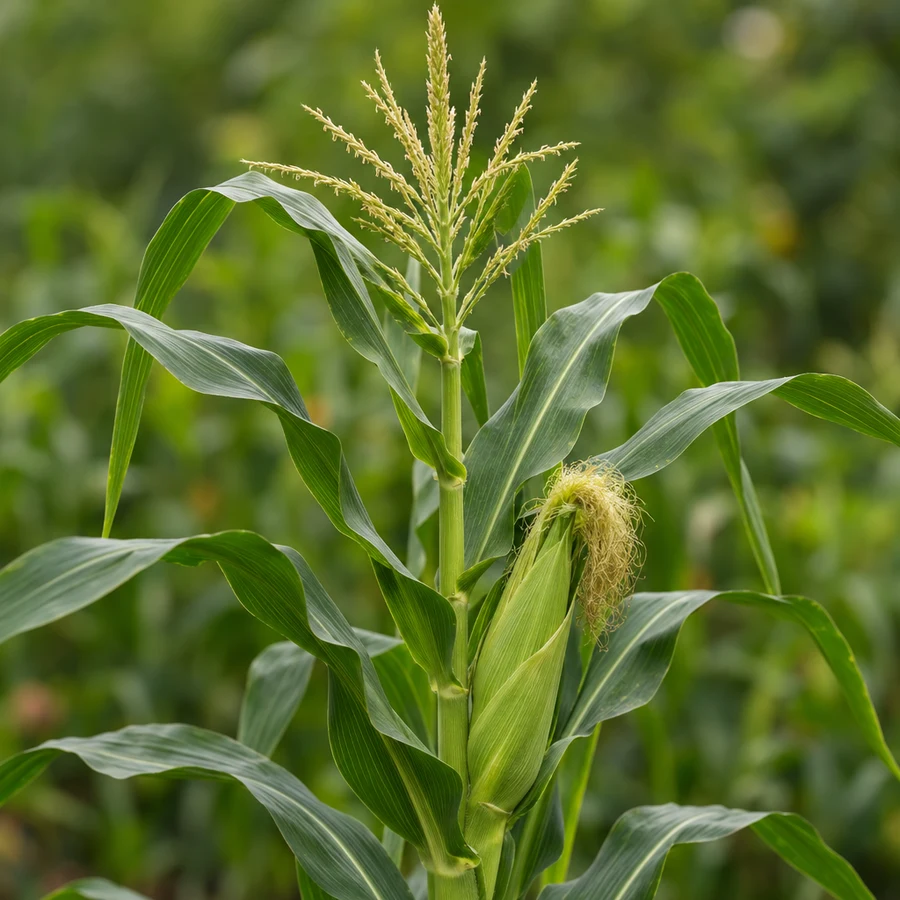
Sweet corn picked minutes before cooking is one of the great treats of the summer garden. Corn leans on the wind to carry pollen from the tassels at the top down to the silks on each ear, so give it a square patch, four rows or more, instead of a single long row. Every silk that misses its pollen leaves a gap on the cob. There's more on laying out a patch in Plant Sweet Corn in Blocks.
Recent community discussions
No one has talked about Corn yet. Be the first.
At a glance
| Plant type | Warm-season vegetable (sweet corn; grass family) |
| Botanical name | Zea mays |
| Annual or perennial | Annual |
| Sun | Full sun |
| Water | 1 to 1.5 inches per week, more at tasseling |
| Spacing | 8 to 12 inches, rows 30 to 36 inches apart |
| Planting depth | 1 to 2 inches (supersweet types about 1 inch, no deeper) |
| Days to germinate | 7 to 10 |
| Days to maturity | About 60 to 100 |
| Best USDA zones | 3 to 11 as a seasonal crop |
| Soil pH | 5.8 to 7.0 |
From planting to harvest
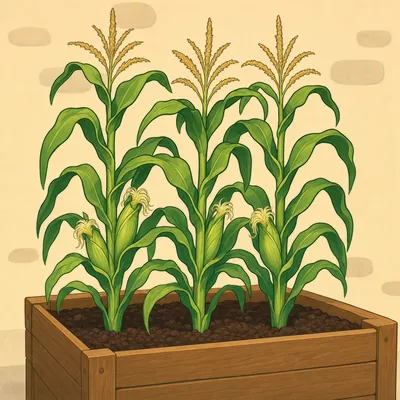
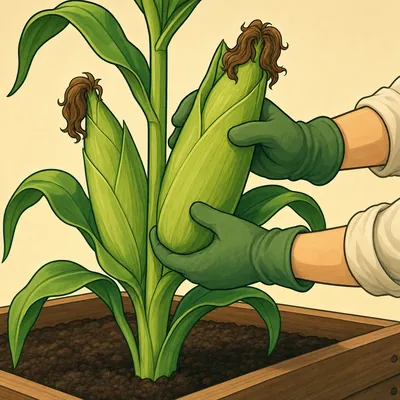
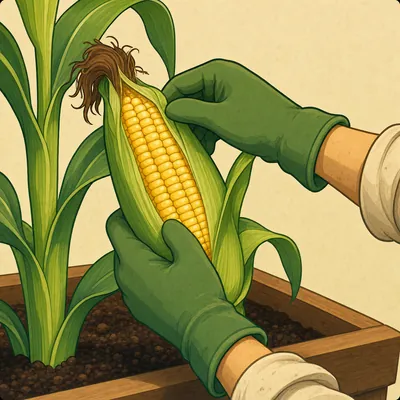
Is it corn weather where you are? See everything to plant this month or read your zone notes.

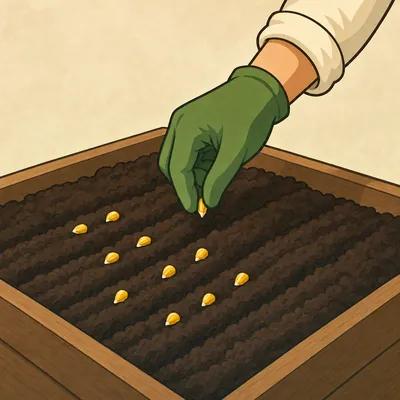
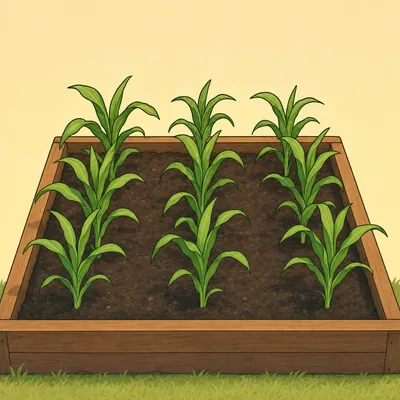
Sow seeds directly outdoors after last frost, when soil reaches 60°F (16°C). Plant successively every 2 weeks for extended harvest.

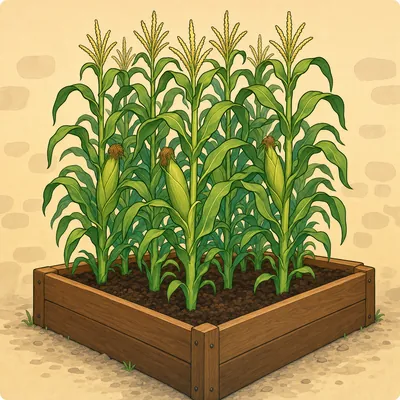
60–100 days.

Zones 3–11, late summer?early fall when kernels are full and milky.

Deep, fertile silty clay loam, pH 5.8–7.0. Requires nitrogen-rich soil and consistent moisture.
Pests to watch for

A little history
Corn was domesticated from a wild grass called teosinte in southern Mexico about 9,000 years ago. It became the staple grain of the Americas and was traded worldwide after 1492. The longer tale is in The Story of Corn.
When to sow in your zone
Spring: Sow outdoors 1 to 2 weeks after the last frost, once the soil is at least 60°F (65°F for supersweet types). Sow again every 2 weeks for a longer harvest. Count back from your last frost to set your first date.
Summer: In zones 8 and 9, a summer sowing still works if there are about 90 days left before the first fall frost.
Frost-free zones 10 and 11: Corn can go in for much of the year. Where summers are hot and humid, as in south Florida, the main sowings run from early fall through late winter, and the ears come in through winter and spring.
To see when to plant corn in your own zone, open your zone page from Zones, for example zone 10 or zone 11.
Growing it, step by step
From seed
Sow 1 to 2 inches deep, 4 to 6 inches apart, then thin to 8 to 12 inches. Supersweet seed is small and fussy about cold soil, so set it about 1 inch deep and no deeper.
Moving it outside
Not usually done, but small seedlings in biodegradable pots can give a head start in short seasons.
Water
Water steadily, especially when tassels and silks appear.
Mulch
Mulch once plants are a foot tall.
Feeding
Corn is a heavy feeder. Work in compost and side-dress with nitrogen when plants are knee-high and again at tasseling.
Keeping it happy
Weed shallowly to avoid cutting roots. Hill soil around the base for support. Isolate supersweet types from other corn to avoid starchy crosses.
Trouble in the bed
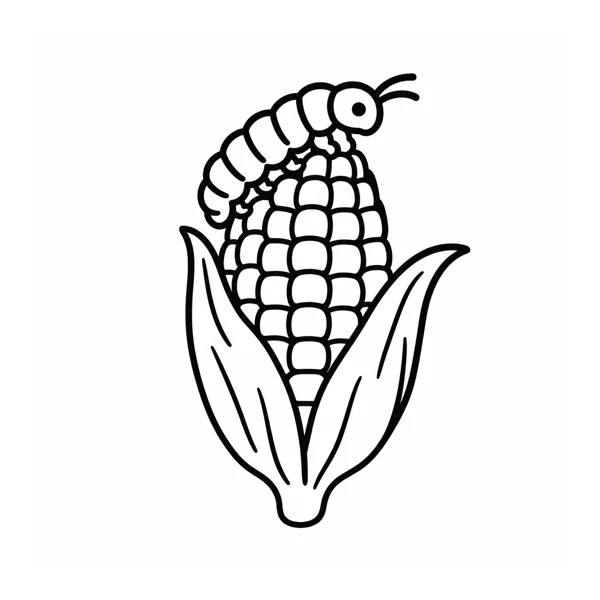
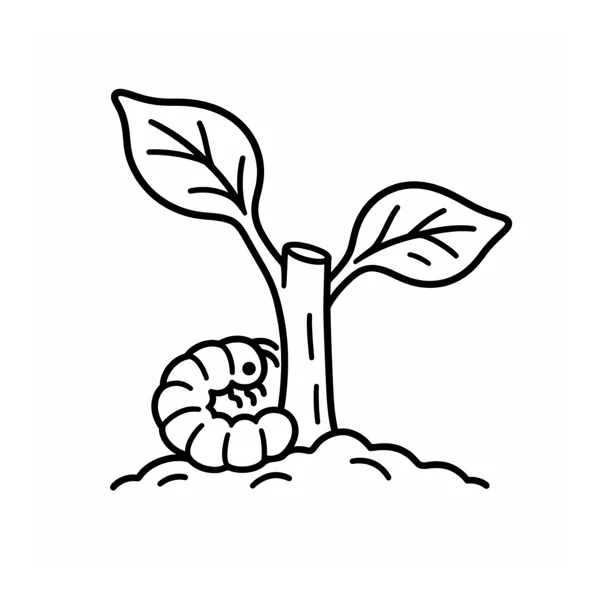
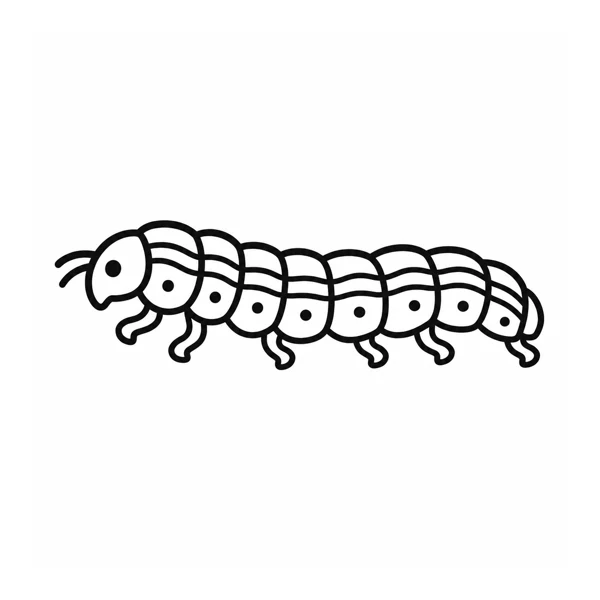
- Corn earworm: Wait until the silks have wilted, about 3 to 7 days after they first show. Then squeeze roughly 20 drops of mineral oil (about half a medicine dropper) into the silks at the tip of each ear, and repeat every 3 to 4 days until the silks turn brown. Oil put on too early gets in the way of pollination and leaves gaps in the ear.
- European corn borer: Use Bt and clear stalks after harvest.
- Raccoons and birds: Fence or bag ears.
- Smut: Remove galls before they burst (or eat them as huitlacoche). More on the common smut page.
Good neighbors







Good: Beans and squash (the "Three Sisters"), cucumbers, melons, and peas.
Keep apart: Tomatoes, which share the earworm.
Seeds that grow well in your area in November
Affiliate links — shopping through these helps keep Evening Vines free. Stinging Nettle
 Smooth Blue Aster
 Polka Dot Mix
 Black-Eyed SusanSeeds
Varieties worth growing
- Peaches and Cream: Bicolor sugary-enhanced classic. Seeds
- Silver Queen: White, late, sweet. Seeds
- Golden Bantam: Heirloom yellow. Seeds
- Ambrosia: Bicolor, tender.
- Honey Select: Yellow TripleSweet (a blend of sugary-enhanced and supersweet kernels on each ear), an All-America Selections winner. Seeds
- Stowell's Evergreen: White heirloom that stays at the milky stage on the stalk for a long while, so it's forgiving if you can't pick on the perfect day. Seeds
- Glass Gem: Jewel-colored popcorn/flint. Seeds
Corn seeds to buy
Affiliate links — shopping through these helps keep Evening Vines free.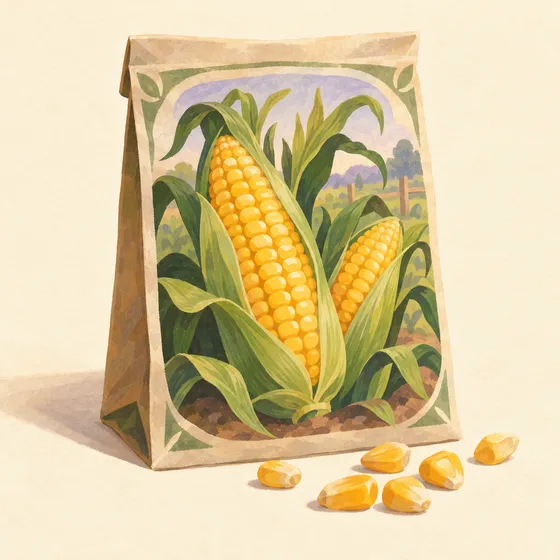 Bodacious
Picking notes
Pick about 3 weeks after silks appear, when silks are brown and dry and a punctured kernel shows milky juice. Cook or chill right away, as sugars turn to starch quickly. Extra ears keep well frozen: see Freeze Your Summer Harvest.
Saving seed for next year
Save only from open-pollinated varieties, never hybrids, and keep the patch isolated from other corn. Corn loses vigor quickly when seed comes from too few plants, so save from a big patch: ideally 200 plants, never fewer than 100, mixing seed from many ears. The basics of drying and storing are in Saving Seeds from Your Garden.
From garden to table
Corn provides fiber, B vitamins, and antioxidants. Eat it on the cob, freeze kernels, or grow flint and dent types for cornmeal.
Questions from the potting bench
Why are my ears missing kernels? Poor pollination. Plant in blocks, not single rows.
Can I grow corn in containers? It's possible with dwarf types, but blocks in the ground work far better.
Why is my corn not sweet? It was picked late or crossed with another type.
Grower reports
How did Corn do in your garden? Members rate it and say which zone and month they planted, so everyone can see what works near them.
Recent community discussions
No one has talked about Corn yet. Be the first.
Seeds to try
Affiliate links — shopping through these helps keep Evening Vines free.Essentials for Growing Corn
 Grow Bags
Breathable fabric pots: grow almost anything on a patio, balcony or driveway, and roots never circle.
See it →
 Soaker Hose
Waters the roots slowly, not the leaves: less disease, less water, less work.
See it →
 Organic Fertilizer
Slow-release organic plant food for vegetable beds and containers.
See it →
 Garden Hand Tools
Trowel, transplanter and cultivator: the three tools you reach for most.
See it →
 Plant Labels
Waterproof markers so you know what's coming up where.
See it →
 Watering Can
Long-spout can for gentle watering of seedlings and pots.
See it →
