
Okra
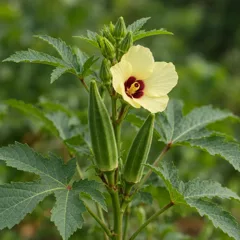
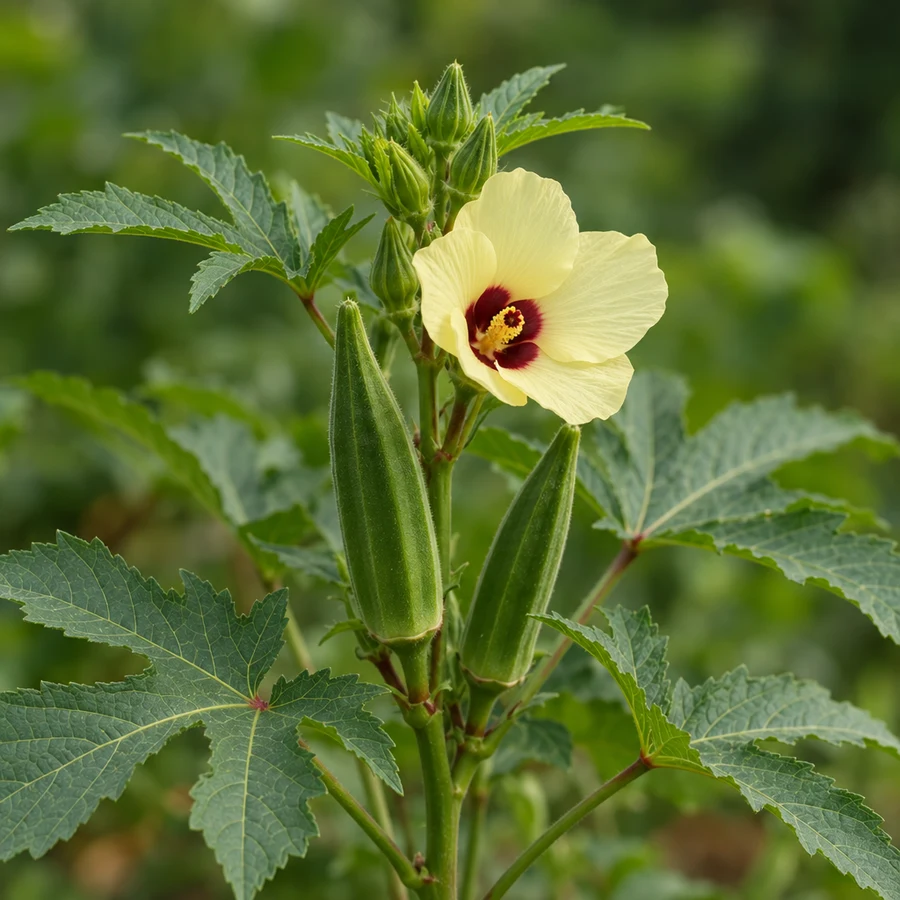
Okra is a tall summer annual grown for its ridged green pods. It's a cousin of cotton and hollyhocks, and you can see it in the flowers: pale yellow cups with a dark red eye. Each one lasts only a day, and a few days later there's a pod ready to cut. Keep picking every day or two and the plant keeps making flowers right up until the nights turn cool.
Recent community discussions
No one has talked about Okra yet. Be the first.
At a glance
| Plant type | Vegetable |
| Botanical name | Abelmoschus esculentus |
| Annual or perennial | Annual |
| Sun | Full sun |
| Water | About 1 inch per week, as one deep soak |
| Spacing | 12 to 18 inches |
| Planting depth | 1/2 to 1 inch |
| Days to germinate | 5 to 14 in warm soil; 2 to 3 weeks if the soil is under 70°F |
| Days to maturity | About 50 to 70 |
| Climate needed | A long, hot, frost-free summer with nights above 55°F; summer heat matters more than your USDA zone |
| Soil pH | 6.0 to 6.8 |
Is it okra weather where you are? See everything to plant this month or read your zone notes.

Sow 2–3 weeks after last frost when soil is 70–90°F (21–32°C). In long-season zones, direct sow midsummer for a second crop.

Pods ready in 50–60 days; season lasts 75–120 days.

Zones 5–11, 60–90 days after planting in summer; harvest pods at 2–4 inches, tender stage.

Warm, well-drained sandy loam, pH 6.0–6.8. Requires good aeration and heat.
Pests to watch for




A little history
Nobody is quite sure where okra was first grown. Many botanists point to Ethiopia and the upper Nile, others argue for West Africa, where the crop comes in a great many forms, and a few make the case for South Asia. What is clear is that okra came to the Americas with enslaved Africans. Today it goes into gumbo in Louisiana, into stews across West Africa, and into curries in India, where it's called bhindi.
When to sow in your zone
Spring: Check the soil temperature 4 inches down. Wait until it's at least 65°F, which is usually 2 to 3 weeks after your last frost. Seed sprouts faster once the soil is 70°F or warmer. In cooler soil it can sit for 2 to 3 weeks, or rot before it comes up. If your summers are short, start seeds indoors in biodegradable pots 3 to 4 weeks before you plan to plant them out. The post count back from your last frost shows how to work out the date.
Fall: Where summers run long and hot, you can sow a second crop in midsummer. Sow at least 3 months before your average first fall frost, so the plants have time to flower and set pods before the nights cool.
To find okra's sowing window where you live, open your zone page from the zones list. Okra is a warm-season crop, so in late fall and winter it's out of season everywhere except frost-free gardens.
Growing it, step by step
Step one: soak and sow
Soak the seeds in warm water overnight to soften their hard coats. Sow them 1/2 to 1 inch deep, two or three to a spot, then thin to the strongest seedling every 12 to 18 inches.
Step two: moving seedlings outside
Okra sulks when its roots are disturbed, so grow indoor seedlings in pots that can go straight into the ground. Plant them out when the nights stay above 55°F, after a week of hardening off.
Step three: water
Give the bed one deep soak a week, or every 7 to 10 days in milder spells, and water more often in extreme heat. Watering deeply explains why fewer, longer waterings work better than daily sprinkles.
Step four: mulch
Once the soil has warmed, spread 2 to 3 inches of mulch to keep moisture in and weeds down.
Step five: feed
Work compost in at planting. When the first flowers open, side-dress with a balanced fertilizer.
Keeping it happy
Pick pods every 1 to 2 days. Stake tall plants in windy spots. Wear gloves and long sleeves when you pick, because the stems, leaves and pods can irritate your skin.
Grow okra in a new spot each year. Don't plant it where tomatoes, peppers, squash, eggplant or sweet potatoes grew last season, since all of them feed the same root-knot nematodes. The crop rotation plan shows how to map out your beds.
Trouble in the bed
- Aphids: Spray them off with water, or use insecticidal soap.
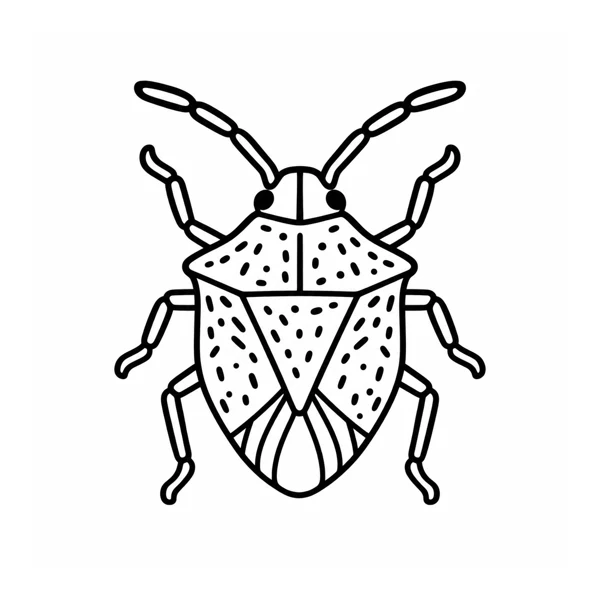
- Stink bugs: Pick them off by hand, and clear weeds nearby where they shelter.
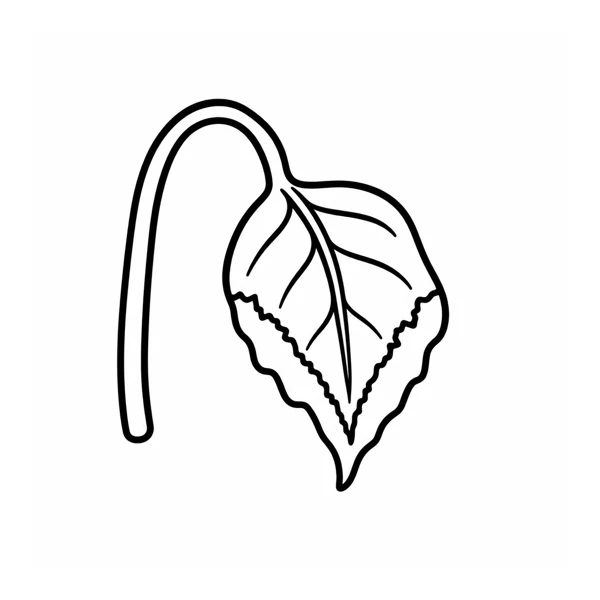
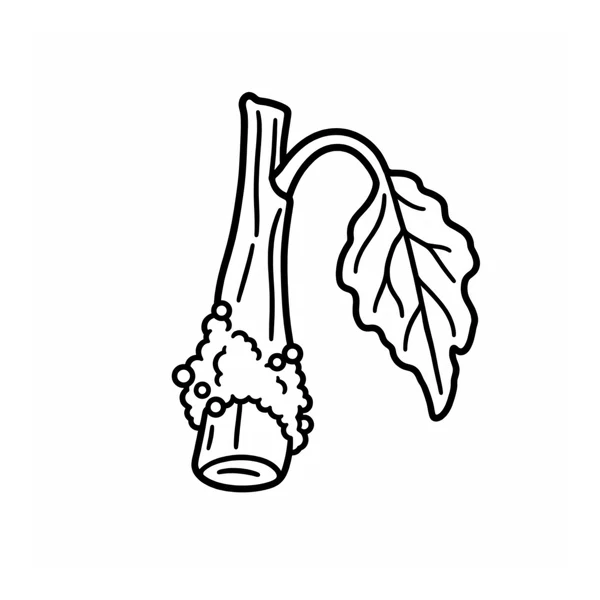
- Root-knot nematodes: These are one of okra's worst problems, especially in warm, sandy soil. Plants come up stunted and yellow, and the roots have knobby swellings. Pull and throw away affected plants (don't compost them), and rotate your beds.
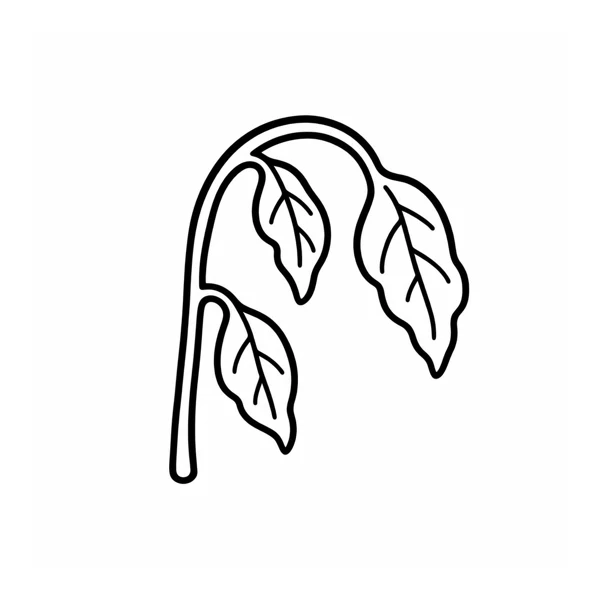
- Fusarium wilt: Plants yellow and wilt even when the soil is moist. Rotate crops, and don't replant okra in the same bed.
- Root rot and seedling loss: This is the most serious disease of young okra. It strikes most often when seed goes into cold, wet soil. Wait for warm soil, and plant in a bed that drains well.
- Pod rot: Small pods sometimes rot soon after the flower drops. The exact cause isn't known, but full sun, good air flow and proper spacing all help. Pick off rotting pods as soon as you see them.
Good neighbors



Good: Peppers, cucumbers and melons all enjoy the same summer heat.
With care: Eggplant likes the same conditions, but it shares fusarium and verticillium wilt and root-knot nematodes with okra. Skip it as a neighbor if your soil has had those problems.
Mind the shade: Okra grows tall, so plant it on the north side of low crops so it doesn't shade them.
Seeds that grow well in your area in November
Affiliate links — shopping through these helps keep Evening Vines free. Purple Coneflower
 Stinging Nettle
 Smooth Blue Aster
 Polka Dot Mix
Varieties worth growing
- Clemson Spineless: A dependable, tall and productive variety with spineless pods. Seeds
- Louisiana Green Velvet: Smooth, spineless pods on big plants.
- Burgundy: Red pods that turn green when cooked. Seeds
- Emerald: Dark green, smooth, spineless pods. Seeds
- Annie Oakley II: A compact hybrid that suits smaller beds and shorter summers.
Okra seeds to buy
Affiliate links — shopping through these helps keep Evening Vines free.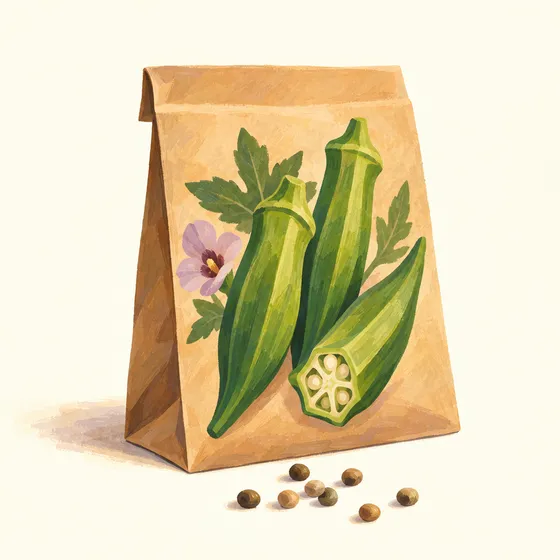 Clemson Spineless
Picking notes
The first pods are usually ready 50 to 70 days after sowing. Pick them at 2 to 4 inches long, while they're tender, which is about 3 to 5 days after the flower opens. Cut the stem with a knife or pruners. Pods left on the plant turn woody fast, and they slow down new flowering. For more on picking times, see harvest at the right time. For extra pods, see freeze your summer harvest.
Saving seed for next year
Let a few pods dry brown on the plant, then pick them, dry them further and shell out the seeds. Bees can cross varieties, so grow only one variety or bag a few flowers before they open. Saving seeds from your garden covers drying and storage.
From garden to table
Raw okra has about 33 calories per 100 grams (roughly a cup of sliced pods). It's a source of fiber, vitamin C, vitamin K, folate and magnesium. Simmer it in gumbo, or fry, roast, grill or pickle it. Quick cooking over high heat cuts down the sliminess.
Questions from the potting bench
When should I plant okra? Plant once the soil is at least 65°F at 4 inches deep, usually 2 to 3 weeks after your last frost. Your zone page shows the timing for your area.
Why is my okra slimy? That's natural. Roasting, high heat or pickling reduces it.
Why no pods? Usually it's too cool, there's too little sun, or old pods are left on the plant.
How tall does it get? Many types reach 4 to 6 feet or more. Compact types like Annie Oakley II stay shorter.
Grower reports
How did Okra do in your garden? Members rate it and say which zone and month they planted, so everyone can see what works near them.
Recent community discussions
No one has talked about Okra yet. Be the first.
Seeds to try
Affiliate links — shopping through these helps keep Evening Vines free.Essentials for Growing Okra
 Grow Bags
Breathable fabric pots: grow almost anything on a patio, balcony or driveway, and roots never circle.
See it →
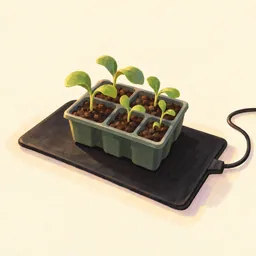 Seedling Heat Mat
Gentle bottom heat so peppers, tomatoes and eggplant sprout in a cool house.
See it →
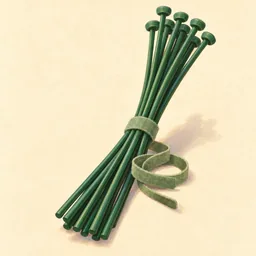 Plant Stakes
Steel stakes to keep peppers, eggplant and tall flowers from flopping.
See it →
 Organic Fertilizer
Slow-release organic plant food for vegetable beds and containers.
See it →
 Soaker Hose
Waters the roots slowly, not the leaves: less disease, less water, less work.
See it →
 Garden Hand Tools
Trowel, transplanter and cultivator: the three tools you reach for most.
See it →
