
Spinach
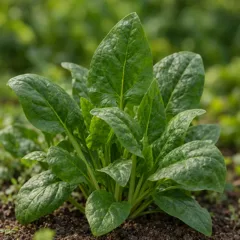
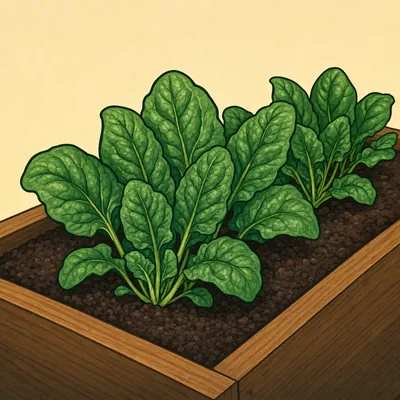
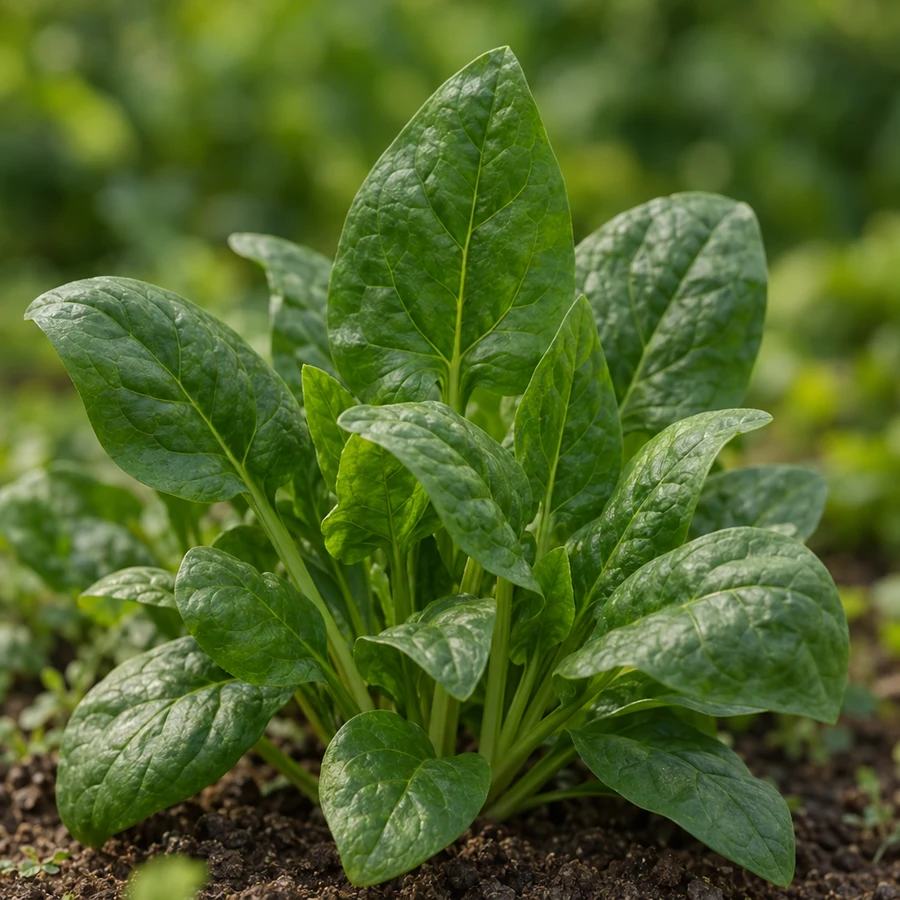
Spinach is a quick, generous leafy green for salads and the pan. It likes cool weather and shrugs off light frost. Long days and warm weather push it to flower, so it belongs at the two cool ends of the year.
Recent community discussions
No one has talked about Spinach yet. Be the first.
At a glance
| Plant type | Leafy vegetable |
| Botanical name | Spinacia oleracea |
| Annual or perennial | Annual (cool season) |
| Sun | Full sun to part shade |
| Water | About 1 inch per week |
| Spacing | 3 to 6 inches |
| Planting depth | 1/2 inch |
| Days to germinate | 5 to 14 days |
| Days to maturity | 37 to 50 days (baby leaves in 25 to 30 days) |
| Best USDA zones | Annual everywhere (zones 2 to 11); a spring and fall crop in cold zones, a fall and winter crop in zones 8 to 10, and a cool-months crop in zone 11 |
| Soil pH | 6.5 to 7.5 |
From planting to harvest
Is it spinach weather where you are? See everything to plant this month or read your zone notes.

Direct sow 4–6 weeks before last frost in spring or 6–8 weeks before first frost in fall. In warm zones, sow in fall/winter.

Baby in 30–40 days; mature in 45–55 days.

Zones 3–9, May?June for spring plantings; Aug?Oct for fall crops; sweeter after light frost.

Prefers clay loam or silty soils high in organic matter, pH 6.0–7.5. Needs consistent moisture.
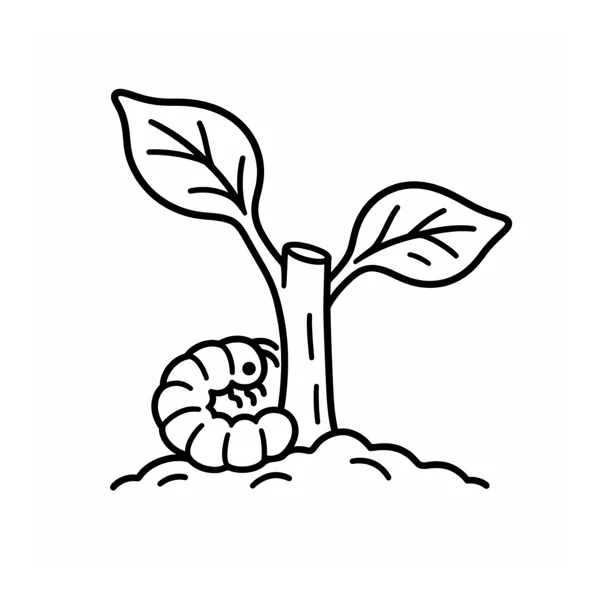
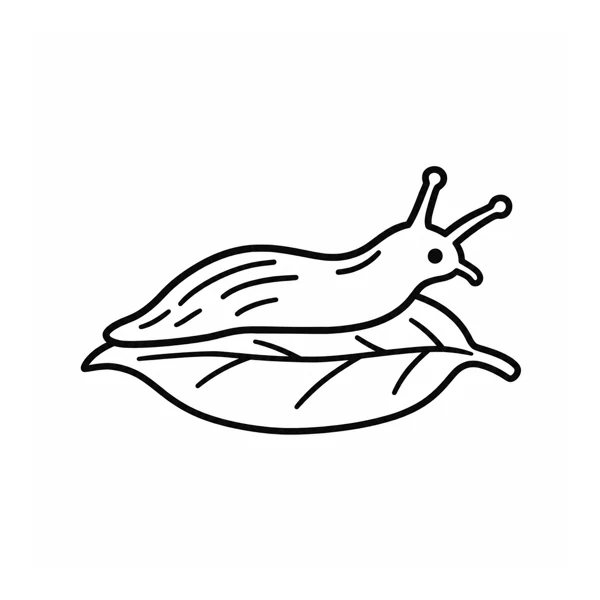
Pests to watch for


Diseases
A little history
Spinach likely began in ancient Persia and spread along trade routes to Asia and Europe. It became a common garden green in Europe in the Middle Ages.
When to sow in your zone
Spinach wants cool soil and short days, so we sow it in early spring and again in late summer or fall, and leave midsummer to other crops.
Spring: Sow outdoors as soon as the soil can be worked, 4 to 6 weeks before your last frost. The squeeze test tells you when the soil is ready. Sow a short row every 2 weeks until the weather warms. There's more in Sow Spinach Before It Bolts.
Fall: Sow about 6 to 8 weeks before your first frost. Count back from your frost date to find the week.
Sowing spinach in fall and winter, zone by zone
- Zones 3 to 7: Sow in late summer, counting back from your first frost. Once nights turn cold, cover the row with row cover or a simple cold frame and keep picking into early winter.
- Zones 8 to 10: Sow from fall right through winter, once the soil has cooled.
- Zone 11: Sow only in the coolest months. Many lowland gardens here are simply too warm for it.
Your zone's page on the zones list shows everything else you can sow alongside it this month. For more on late summer greens, see Sow Fall Greens in August.
Growing it, step by step
Seeds in the row
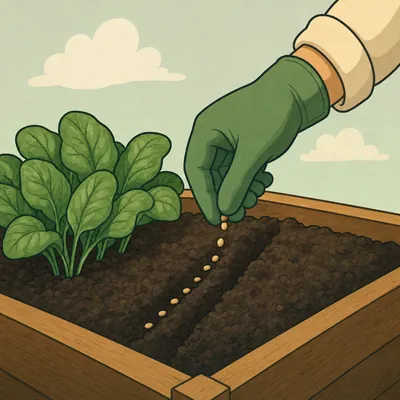
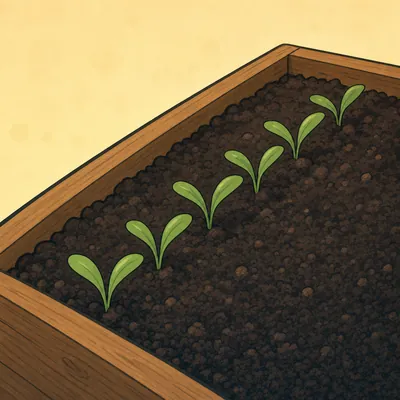
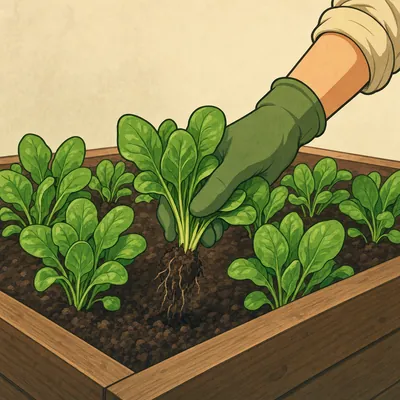
Sow 1/2 inch deep and thin the seedlings to 3 to 6 inches apart. Spinach sprouts best in cool soil, around 50 to 70°F, and sprouts poorly once the soil goes above about 80°F. That's why late summer sowings can come up patchy. In a hot spell, sow in the evening and keep the row damp until the seedlings show.
If you have to move them
Spinach does best sown where it will grow. If you do transplant, move the seedlings while they're still small.
Keeping it damp
Water evenly, about 1 inch a week. The soil should stay moist but never soggy.
A thin straw blanket
A light layer of straw keeps the soil cool and holds moisture in.
Feeding
Work compost in before you sow. Side-dress with a nitrogen fertilizer about 3 weeks after the seedlings come up, for big, lush leaves.
Keeping it happy
Weed gently, because the roots are shallow. Spinach doesn't do well in a hot, sunny bed in summer, so as the days warm in late spring, give it some part shade from taller crops. Protect it from hard freezes with row cover. Grow it in a different bed each year (see our crop rotation plan).
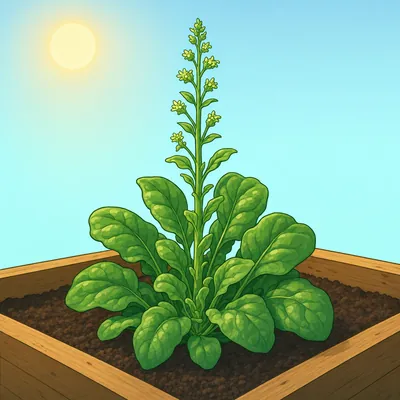
Watch for bolting: Spinach is a long-day plant. Once days stretch past about 14 hours and the weather warms, it starts sending up a flower stalk, and heat makes that happen faster. Leaves on a bolting plant get smaller and tougher, and it soon stops making leaves worth picking. Sow early in spring, give it afternoon shade as days lengthen, and pick a slow-bolting variety.
Trouble in the bed
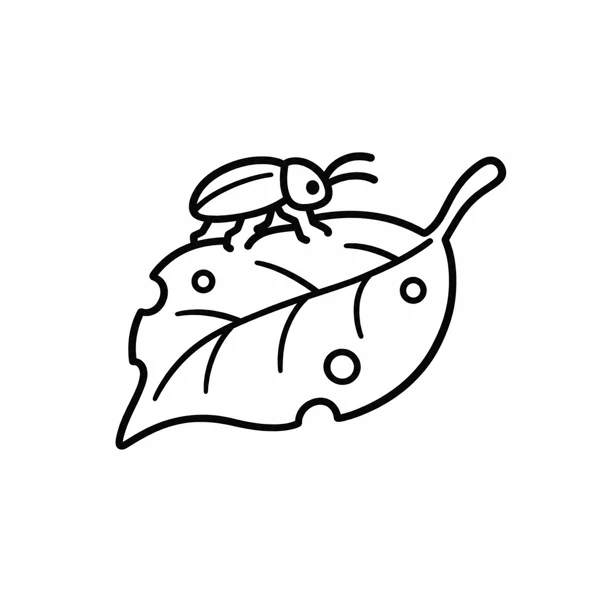
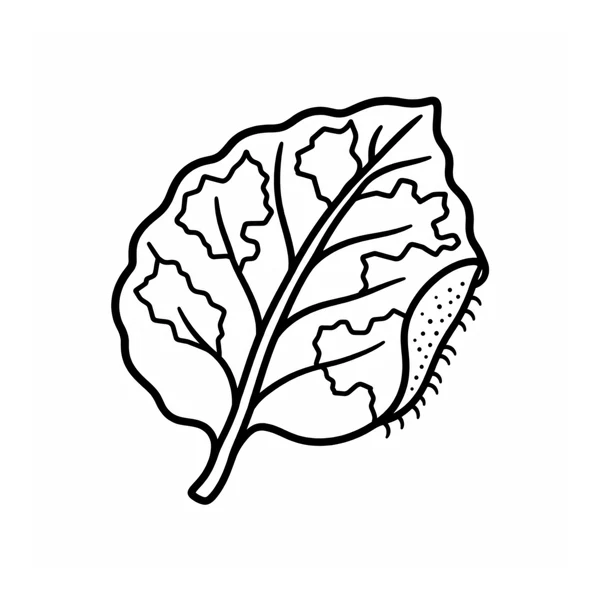
- Leaf miners: Cover young plants with row cover and pick off leaves with tunnels in them. Beets and Swiss chard carry the same leaf miners, so check them too and don't grow them right up against your spinach.
- Aphids: Spray them off with water or use insecticidal soap.
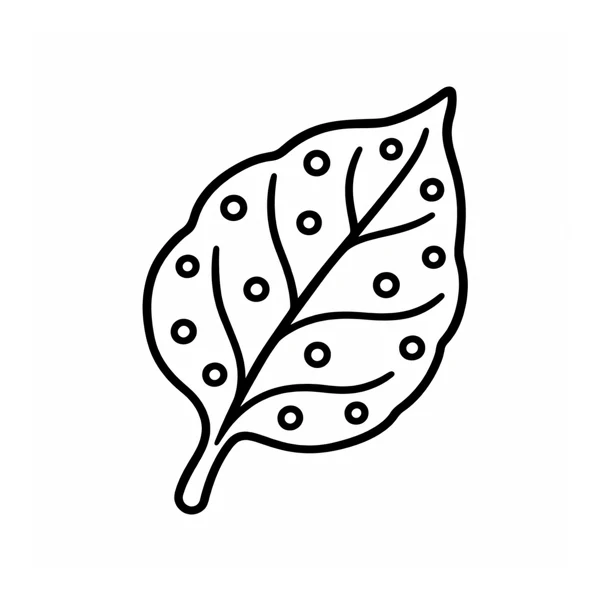
- Downy mildew: Space plants well, water at the base, and grow resistant varieties.
Good neighbors



Sharing the bed:
- Garlic and onions: A fall spinach sowing fits nicely between rows of newly planted garlic, and both like the cool weather.
- Peas: Sow spinach on the shady side of a spring pea trellis. As spring warms up, the vines give it a little afternoon shade.
- Lettuce: The same cool-weather timing and the same watering, so the two make an easy salad row.
- Kale and cabbage: Spinach fills the gaps while young brassicas grow, and you'll have picked it before they need the space.
Seeds that grow well in your area in November
Affiliate links — shopping through these helps keep Evening Vines free. Moonbeam
 Foxglove Mix
 Rocket Larkspur
 Wild Lupine
Varieties worth growing
- Bloomsdale Long Standing: Crinkled, dark green leaves; slow to bolt. Seeds
- Space: Smooth, upright leaves with good disease resistance.
- Tyee: Semi-savoy type; bolt resistant.
- Giant Winter: Hardy; good for fall and winter sowing. Seeds
- Regiment: Semi-savoy hybrid with thick leaves and good disease resistance.
- Butterflay: Open-pollinated semi-savoy with large, dark leaves. It's a modern cross of American and Viroflay spinach, not an heirloom.
Spinach seeds to buy
Affiliate links — shopping through these helps keep Evening Vines free.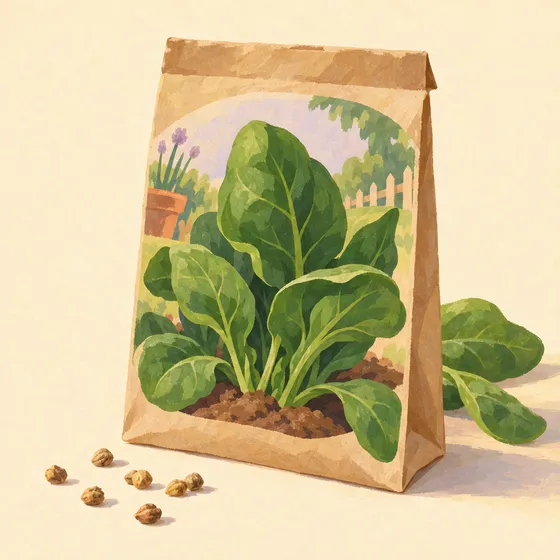 Bloomsdale Long Standing
Picking notes
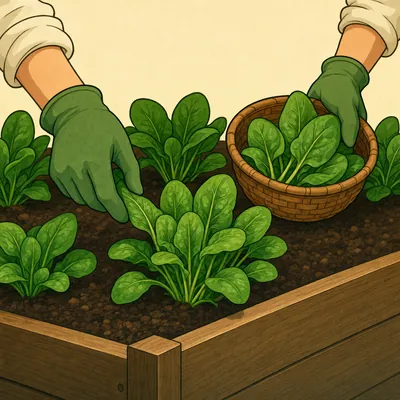
Pick the outer leaves when they're 3 to 4 inches long, or cut the whole plant at the base. Harvest in the morning, and pick before flower stalks appear.
Spring sowings are ready in late spring. In cold zones, fall sowings are picked from early fall into early winter, under cover once frosts start. In zones 7 to 9, most of the fall crop comes from about October on into winter.
Saving seed for next year
Spinach plants are either male or female, and the wind carries pollen a long way. You need both kinds for seed, and you should keep different varieties a mile or more apart. Let the female plants dry, then collect the seed and store it somewhere cool and dry. Our seed-saving guide has the basics.
From garden to table
Spinach gives you vitamins A, C and K, plus folate and iron. Eat it raw, sautéed or steamed. Safety: Spinach contains oxalates. People prone to kidney stones should eat it in moderation, and cooking lowers the amount somewhat.
Questions from the potting bench
Why did my spinach bolt?
Long days (about 14 hours or more) plus warm weather. Sow earlier in spring, or in late summer for fall, and choose a slow-bolting type.
Can I grow it through winter?
Yes. In zones 8 to 10 it grows through the winter. In colder zones, keep it under row cover or in a cold frame.
Why are the leaves yellow?
Usually low nitrogen, soggy soil or leaf miners.
Grower reports
How did Spinach do in your garden? Members rate it and say which zone and month they planted, so everyone can see what works near them.
Recent community discussions
No one has talked about Spinach yet. Be the first.
Seeds to try
Affiliate links — shopping through these helps keep Evening Vines free.Essentials for Growing Spinach
 Grow Bags
Breathable fabric pots: grow almost anything on a patio, balcony or driveway, and roots never circle.
See it →
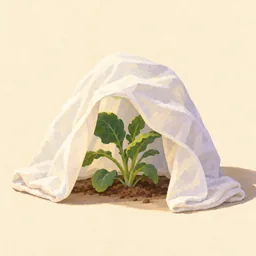 Frost Cloth
Throw it over young plants on cold spring and fall nights.
See it →
 Seed Starting Tray
Reusable tray with a clear dome to give seeds a warm, humid start indoors.
See it →
 Watering Can
Long-spout can for gentle watering of seedlings and pots.
See it →
 Plant Labels
Waterproof markers so you know what's coming up where.
See it →
 Organic Fertilizer
Slow-release organic plant food for vegetable beds and containers.
See it →
