
Bok Choi
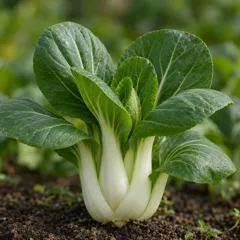
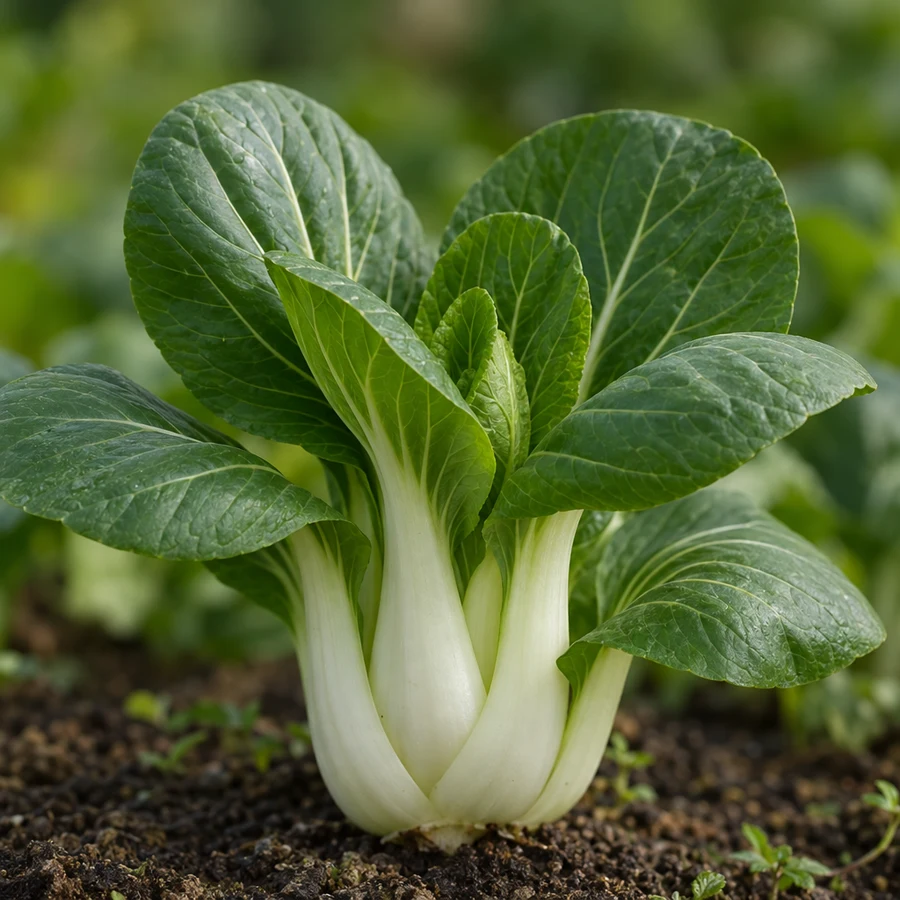
Bok choy (we spell it bok choi in the Gardening Book) is a mild, juicy Chinese cabbage with crisp white or pale green stalks and dark green leaves. It grows as a loose clump, and you can eat the whole plant. It's quick, too: baby heads are ready in about a month.
The whole story of growing it comes down to one thing: beating the bolt. Bok choy runs to flower in heat and long days, and a week of chilly nights while it's young can set it off too. That's why fall is the best season for most of us. The days get shorter and cooler as the plants grow, so they stay leafy right up to harvest. Spring works well if you time it carefully.
Recent community discussions
No one has talked about Bok Choi yet. Be the first.
At a glance
| Plant type | Cool-season leafy Asian green |
| Botanical name | Brassica rapa subsp. chinensis |
| Annual or perennial | Annual |
| Sun | Full sun to part shade |
| Water | Regular, even moisture |
| Soil | Fertile, well-drained, moisture-holding loam |
| Spacing | 4 to 6 inches for baby; 6 to 12 inches for full size, wider for big types like Joi Choi |
| Planting depth | 1/4 to 1/2 inch |
| Days to germinate | 4 to 7 |
| Days to maturity | About 30 for baby; 45 to 60 for full size |
| Sowing time | Spring: start in cells 3 to 4 weeks before the last frost, or direct-sow at the last frost. Fall: 6 to 8 weeks before the first frost |
| Harvest months | Spring sowings: May to June in most zones (April where spring comes early). Fall sowings: September to November. Zones 8 to 11: on through winter, roughly November to March |
| Best USDA zones | 2 to 11 as a seasonal crop |
| Soil pH | 6.0 to 7.5 |
From planting to harvest
Is it bok choi weather where you are? See everything to plant this month or read your zone notes.
Pests to watch for
Diseases
A little history
Bok choy has been grown in China for well over a thousand years and is a staple across East and Southeast Asia. Chinese immigrants brought it to the US in the 1800s. It's the same species as turnip and napa cabbage. If you like cooking from that part of the world, our post on plants for Asian cooking has more ideas for the same bed.
When to sow in your zone
Spring: Cold is as risky as heat for young bok choy. More than a week of nights below about 50°F can make seedlings flower once warm weather comes back. So don't rush it. Start seed in cell trays 3 to 4 weeks before your last frost date, harden the seedlings off, and plant them out around the last frost under row cover. Or sow straight into the bed at the last frost. Pick slow-bolting varieties, and stop sowing once days turn hot. Our guide to counting back from the last frost helps you set the dates.
Fall: This is the best season. Sow 6 to 8 weeks before the first fall frost, and again every 2 weeks for a steady supply. In zones 8 to 11 you can keep sowing through fall and into winter: see the hubs for zone 8, zone 9 and zone 10, or find your zone to see when to plant bok choy where you live. Our post on sowing fall greens in August covers the late-summer timing.
Growing it, step by step
From seed
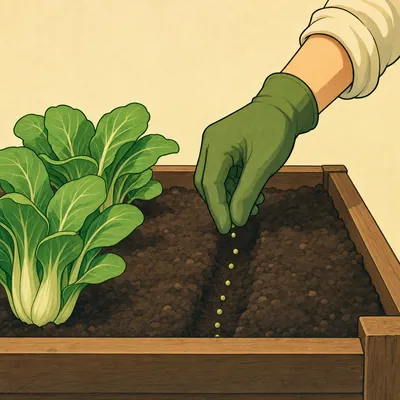
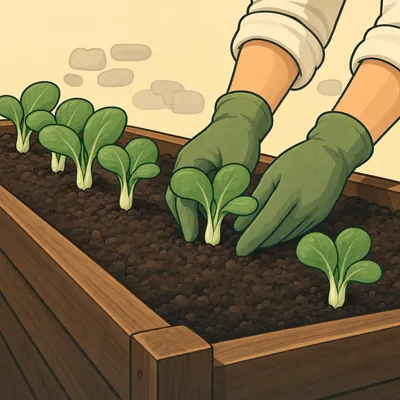
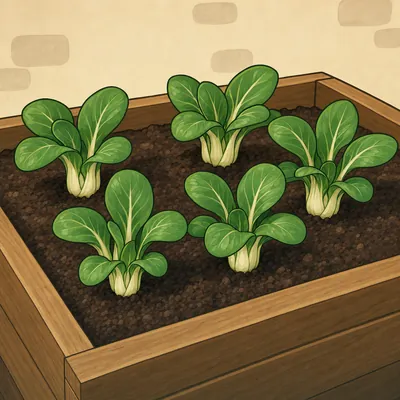
Sow 1/4 to 1/2 inch deep and about an inch apart, and keep the soil moist. Seedlings come up in under a week. Thin them to 4 to 6 inches for baby plants, or 6 to 12 inches for full-size heads (give the big types like Joi Choi the wider spacing). The thinnings are good in stir-fries.
Moving it outside
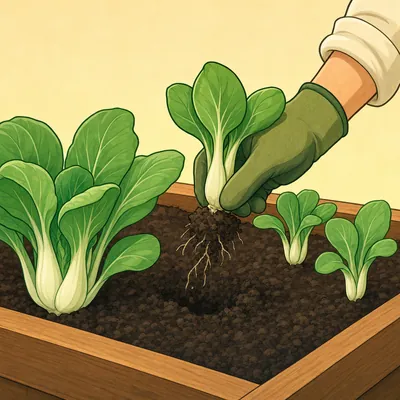
Start seedlings in cell trays, one plant per cell, so the roots aren't disturbed at planting time. Transplant shock can push bok choy to bolt. Harden them off for about a week and plant them at the same depth they grew in the tray.
Water
Keep the soil evenly moist, about an inch a week. Dry spells make the leaves tough and bitter and can trigger bolting.
Mulch
Mulch lightly to hold moisture. Pull it back if slugs become a problem.
Feeding
Work in compost before sowing, and give a light feed of fish emulsion partway through.
Keeping it happy
Cover young plants with row cover from the day you sow or plant. It keeps out flea beetles, cabbage moths and root maggot flies. In warm spells, give light afternoon shade. If a plant sends up a flower stalk, harvest it right away. When cold weather arrives, row cover or a cold frame keeps fall plantings going for weeks longer.
Trouble in the bed
Most of bok choy's trouble comes from the insects and diseases that go after every cabbage-family crop. Row cover, rotation and clean seed take care of most of it.
Pests
- Flea beetles: Tiny black beetles that jump when disturbed and pepper young leaves with small holes. Use row cover from sowing and keep plants watered, since stressed seedlings suffer most.
- Cabbage worms: Velvety green caterpillars of the white cabbage butterfly that chew ragged holes. Hand-pick them, or use Bt (Bacillus thuringiensis) while they're small.
- Cabbage loopers: Pale green caterpillars that arch their backs as they move, like an inchworm. Hand-pick them. Bt works on young ones but is less reliable once they're big.
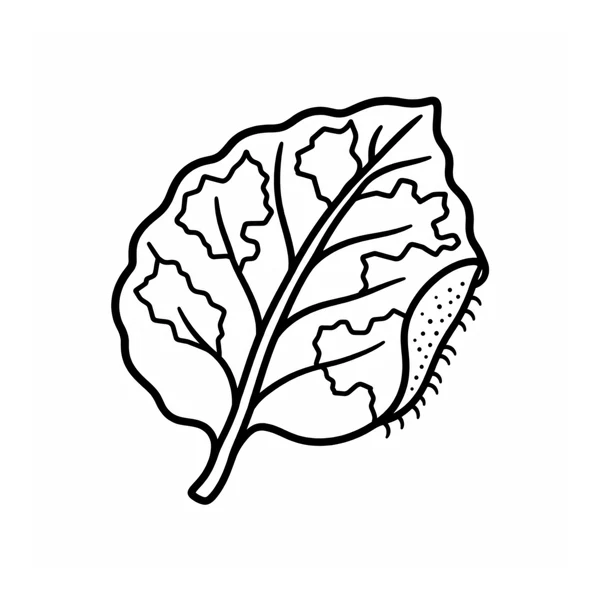
- Diamondback moth larvae: Small, pointed green caterpillars that wriggle hard and drop on a silk thread when touched. They feed on the undersides of leaves and leave little see-through windows. Bok choy is one of their favorite hosts. Use row cover, check under the leaves, and treat small larvae with Bt (strains labeled for diamondback moth work best).
- Cutworms: Fat gray or brown caterpillars that hide in the soil by day and chew seedlings off at the soil line at night. Put a collar of cardboard around each transplant, and dig gently around a cut stem to find the culprit.
- Aphids: Clusters of small soft insects on new growth and leaf undersides. Spray them off with water or use insecticidal soap.
- Slugs and snails: Slimy trails and big holes, worst in damp weather. Hand-pick at dusk or use iron phosphate bait.
- Root maggots: Small white fly larvae that tunnel into the roots, so plants wilt and stall even when watered. Cover the bed from sowing so the flies can't lay eggs, and rotate crops.
Diseases
- Downy mildew: Pale yellow patches on top of the leaves with gray-white fuzz underneath, mostly in cool, damp weather. Space plants for airflow, water at the soil instead of over the leaves, and pick off spotted leaves.
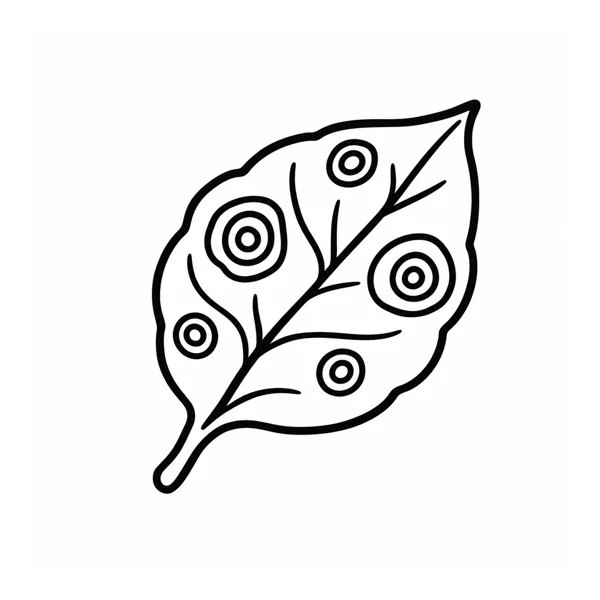
- Alternaria leaf spot: Small dark spots that grow into rings, often with a yellow edge. The fungus survives on old plant debris, so clear out spent brassicas, rotate beds and avoid overhead watering.
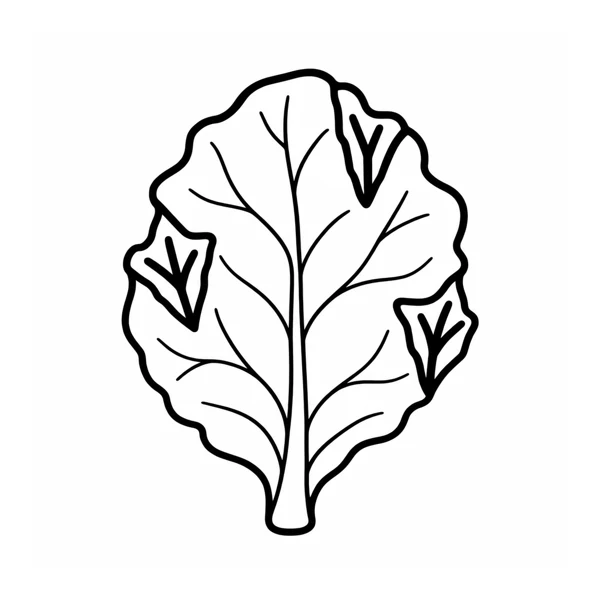
- Black rot: A bacterial disease that makes yellow, V-shaped patches starting at the leaf edge, with darkened veins. It can come in on seed, so buy from a good source. Pull sick plants, keep out of the bed when leaves are wet, and keep brassicas out of that bed for 3 years.
- Clubroot: Swollen, knotted roots and plants that wilt on sunny days. Rotate brassicas and keep the soil pH near neutral.
Our crop rotation plan shows how to keep cabbage-family crops moving around the garden.
Good neighbors
These are neighbors chosen for a reason, not by tradition:
- Chives and garlic: Strong-smelling alliums along the edge of the row may make it harder for cabbage pests to find the plants by scent. They take up little room and don't compete for the same nutrients in the same way.
- Cilantro: Grows in the same cool seasons. Let a few plants flower, and the small blooms feed hoverflies and tiny parasitic wasps that go after aphids and caterpillars.
- Sweet alyssum: A low edging of alyssum flowers early and for a long time, drawing in hoverflies whose larvae eat aphids.
- Lettuce: Same season, same water, and quick. Tuck it between young bok choy and pick it before the heads need the space.
- Spinach: Another cool-season green with the same timing and watering, so one row cover can protect both.
- Carrots: Roots go deep while bok choy stays shallow, so they share a bed without fighting for the same soil.
- Peas: Sown at the same time in spring, and a pea trellis on the south or west side gives bok choy a little afternoon shade as days warm up.
Avoid:
- Following other brassicas in the same bed, because clubroot, black rot and root maggots build up.
- Turnips, napa cabbage, mizuna or broccoli raab flowering nearby if you're saving bok choy seed, because they cross.
Seeds that grow well in your area in November
Affiliate links — shopping through these helps keep Evening Vines free. PansySeeds
 PhloxSeeds
 Royal Mix
 Johnny Jump Up
Varieties worth growing
- Joi Choi: A dependable, slow-bolting, full-size type with thick white stalks. Give it the widest spacing.
- Win-Win: A hybrid with white stalks and dark leaves, a little smaller and more compact than Joi Choi. Good as full heads at about 50 days or as baby heads at about 30.
- Black Summer: Very dark leaves on short, pale stalks, heat tolerant and very slow to bolt. A good choice for spring.
- Shanghai Green: A Shanghai type with pale green, spoon-shaped stalks and a mild flavor. Often picked small as baby bok choy. Seeds
- Mei Qing Choi: A tender, compact, green-stalked variety that's nice as a baby head.
- Toy Choy: A dwarf type ready in about 30 days, handy for pots.
- Purple choi types: Dark purple leaves over green stalks. They grow like the green types and look lovely in a salad bed.
Bok Choi seeds to buy
Affiliate links — shopping through these helps keep Evening Vines free.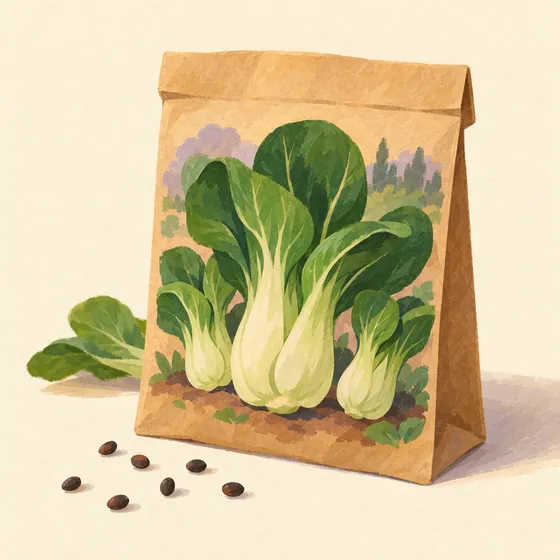 White Stem
Picking notes
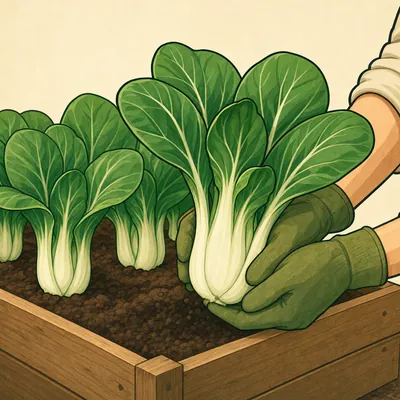
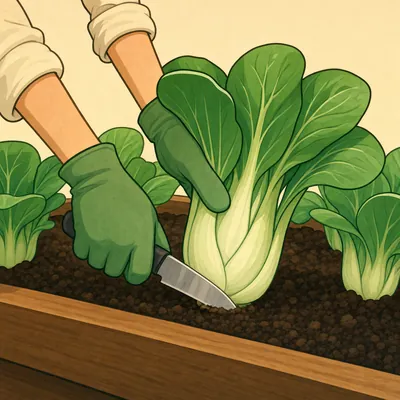
Baby bok choy is ready in about 30 days, at 4 to 6 inches tall. Full-size plants take 45 to 60 days and reach 8 to 12 inches. Cut the whole plant at the base, or pick the outer leaves as you need them. If a plant starts to send up a flower stalk, cut it that day. Bok choy keeps in the fridge for about a week, sometimes two. See harvest at the right time for more.
Saving seed for next year
Bok choy needs company to make good seed: most plants can't set seed with their own pollen. Let a group of about 20 or more plants flower together, and pick your best, slowest-bolting plants to keep. Pull out any that bolt early so they don't pass that habit on.
Bok choy crosses with turnip, napa cabbage, mizuna and broccoli raab, because they're all Brassica rapa. They only cross when they're in flower at the same time, so have just one Brassica rapa type flowering at once. Insects carry pollen up to about half a mile, so a neighbor's flowering turnips count too.
When the pods turn tan and dry, cut the stalks, let them finish drying under cover, then thresh out the seed. Store it cool and dry. Our post on saving seeds from your garden covers drying and storing.
From garden to table
Bok choy provides vitamins A, C and K, plus some calcium, at only about 13 calories per 100 grams raw. Stir-fry, steam or braise it, cooking the stalks first because they take longer than the leaves. The flower buds are edible too, so a bolted plant still gives you something for the pan.
Questions from the potting bench
Why did my bok choy bolt? Heat, long days, dry soil, transplant shock, or a week or more of nights below about 50°F while it was young. Sow in cool seasons, plant out under row cover, keep it watered, and choose slow-bolting types. Fall sowings bolt least.
When should I plant bok choy in spring? Start it in cells 3 to 4 weeks before your last frost and plant out around the last frost under row cover, or sow directly at the last frost. Sowing earlier risks cold-triggered bolting.
Can I grow it in a pot? Yes, in a pot at least 8 to 10 inches deep, kept evenly watered. Toy Choy and other small types suit containers best.
Can I eat the whole plant? Yes. The leaves, stalks and flower buds are all edible.
Grower reports
How did Bok Choi do in your garden? Members rate it and say which zone and month they planted, so everyone can see what works near them.
Recent community discussions
No one has talked about Bok Choi yet. Be the first.
Seeds to try
Affiliate links — shopping through these helps keep Evening Vines free.Essentials for Growing Bok Choi
 Grow Bags
Breathable fabric pots: grow almost anything on a patio, balcony or driveway, and roots never circle.
See it →
 Insect Netting
Fine mesh that keeps cabbage worms, flea beetles and birds off your crops, no sprays needed.
See it →
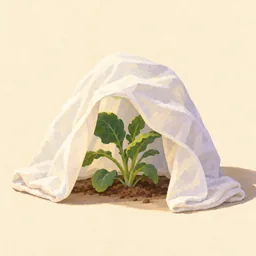 Frost Cloth
Throw it over young plants on cold spring and fall nights.
See it →
 Garden Hand Tools
Trowel, transplanter and cultivator: the three tools you reach for most.
See it →
 Plant Labels
Waterproof markers so you know what's coming up where.
See it →
 Organic Fertilizer
Slow-release organic plant food for vegetable beds and containers.
See it →
