
Lettuce

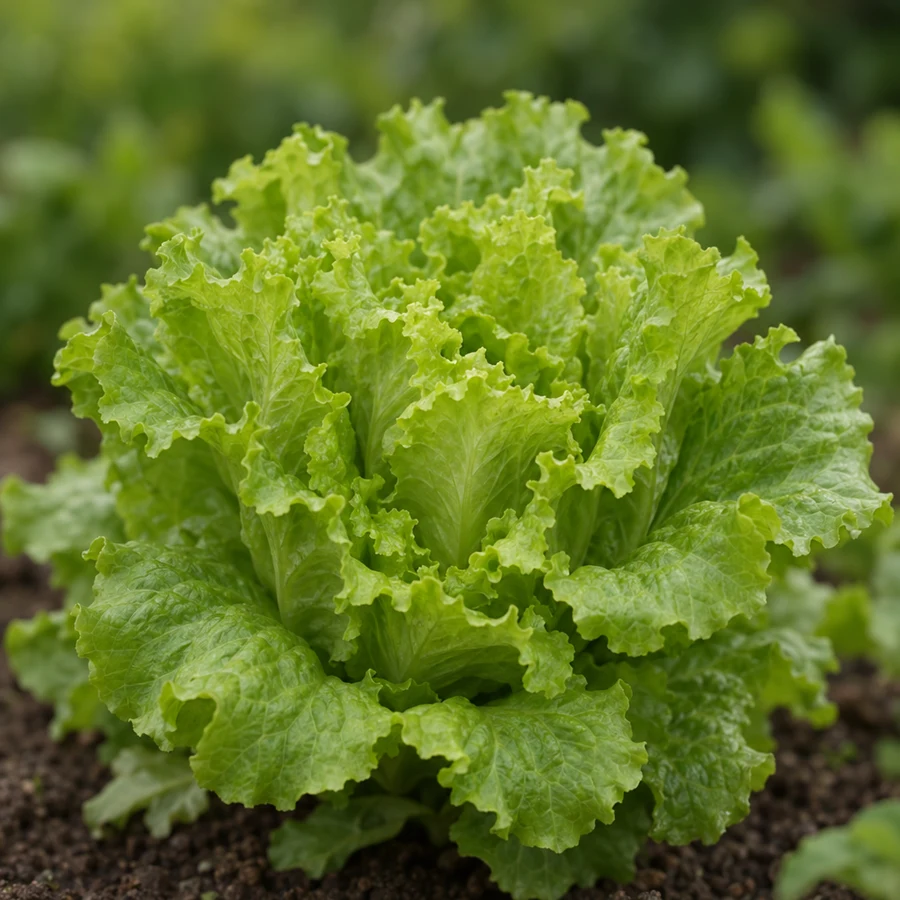
Lettuce is the crop we sow most often and in the smallest amounts: a pinch of seed every couple of weeks, tucked into whatever gap is free. It's happiest in the cool ends of the year, when the soil is damp and the sun is soft, and it sulks and bolts once summer heat arrives. Grow it in a bed, a pot, or a window box, and pick it leaf by leaf or as whole heads.
Recent community discussions
No one has talked about Lettuce yet. Be the first.
At a glance
| Plant type | Cool-season leafy vegetable |
| Botanical name | Lactuca sativa |
| Annual or perennial | Annual |
| Sun | Full sun; part shade in warm weather |
| Water | Even moisture, about 1 inch per week |
| Spacing | 4 to 6 inches (leaf), 8 to 12 inches (butterhead and romaine), 12 to 16 inches (crisphead/iceberg) |
| Planting depth | 1/8 inch (seed needs light) |
| Days to germinate | 2 to 10 (poor above about 80°F) |
| Days to maturity | Leaf: 45 to 60 from seed (baby leaves from about 4 weeks); heads: 55 to 80 or more |
| Best USDA zones | 2 to 11 (grow in the cool season) |
| Harvest months | Zones 2 to 4: early summer into early fall; zones 5 to 7: late spring to early summer, then again in fall; zones 8 to 11: fall through spring |
| Soil pH | 6.0 to 7.0 |
From planting to harvest
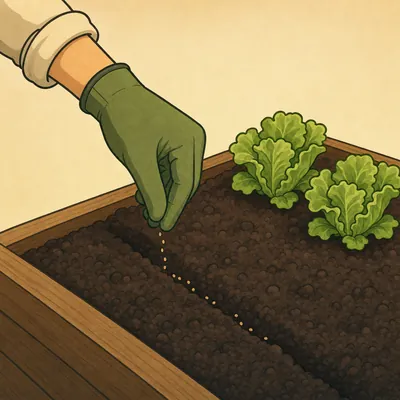
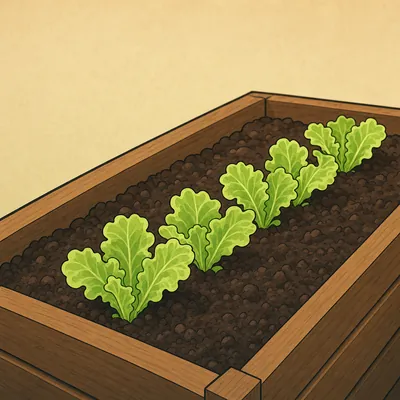
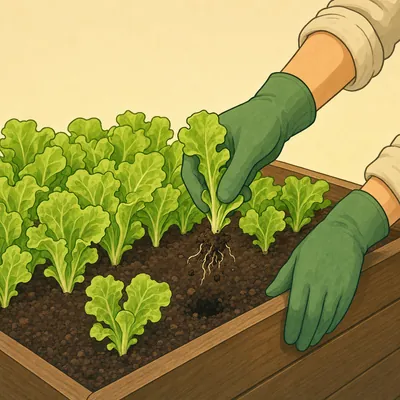
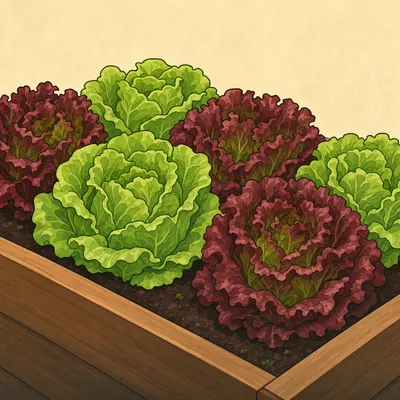
Is it lettuce weather where you are? See everything to plant this month or read your zone notes.

Direct sow 2–4 weeks before last frost in spring and repeat every 2 weeks for succession harvest. Sow again in late summer for fall crops. In mild zones, can overwinter under protection.

30–60 days.

Zones 4–9, generally early summer; varies by planting time and climate; thrives in cool, mild weather.

Moist, fertile silty loam or loam, pH 6.0–7.0. High organic matter improves tenderness.
Pests to watch for







A little history
Lettuce has been grown for more than 4,500 years. DNA studies of hundreds of lettuces and their wild relatives point to its wild ancestor, prickly lettuce, being first domesticated near the Caucasus and the Near East. Egyptian tomb paintings from about 2700 BC show a tall, upright lettuce, and those early growers most likely valued it for the oil pressed from its seeds, not for its leaves. The Greeks and Romans later bred it for leafy salads, and lettuce spread through Europe and on to the Americas, where hundreds of varieties were bred for different climates.
When to sow in your zone
Spring: Sow outdoors 2 to 4 weeks before the last frost, or start indoors 4 to 6 weeks before. Sow a small pinch every 2 weeks so you're never swamped. Our note on direct sowing cool-season crops walks through it.
Fall lettuce: Sow 6 to 8 weeks before the first frost. Late summer is a good time to start; see sow fall greens in August.
Winter sowing: From late fall into winter, sowing outdoors only really works in about zones 9 to 11. In colder zones, sow under a simple cold frame or wait for spring.
When you'll be picking: In zones 2 to 4, cool summers let lettuce grow from early summer into early fall. In zones 5 to 7, the main harvests are late spring to early summer and again in fall. In zones 8 to 11, where winters are mild, lettuce grows from fall right through to spring and takes a break in the summer heat.
Before you sow: Lettuce likes fertile, well-drained loam or sandy loam rich in organic matter. Work in a few inches of compost and you're set.
Is it lettuce weather where you are? Put your ZIP code into What to Plant for this month's full planting list, or open your zone page from the zones page (for example zone 9, zone 10 or zone 11). Each zone page gives your frost dates and when to plant lettuce where you live.
Growing it, step by step
Getting seed to sprout
Sow shallowly and press the seed in lightly so light can reach it. Lettuce seed can refuse to sprout in hot soil, so in warm spells sow in the evening and keep the row shaded and damp. Some gardeners also chill damp seed in the fridge for a day or two before sowing; it helps some varieties more than others, so treat it as worth a try rather than a sure thing.
Moving seedlings out
Set out seedlings with 3 to 4 true leaves after hardening them off.
A light feed
Mix compost in before sowing, then side-dress with a light nitrogen feed at thinning time, about 3 to 4 weeks after sowing. Go easy: too much nitrogen gives soft, fast growth that is prone to tipburn.
Watering-can notes
Keep soil evenly moist. Dry soil makes lettuce bitter and quick to bolt. More on that in keep lettuce from bolting.
Straw underfoot
A thin straw mulch keeps soil cool and leaves clean.
Keeping it happy
Thin seedlings to the right spacing (eat the thinnings). Use shade cloth as days warm and row cover in frosty weather. For a steady supply all season, try succession sowing.
Trouble in the bed
Pests
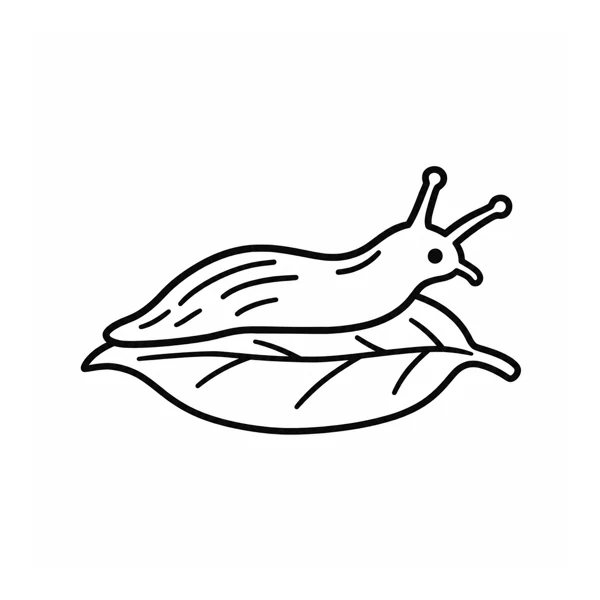
- Slugs and snails: Hand-pick at dusk, set traps, or use iron phosphate bait.
- Aphids: Spray them off with a strong jet of water.
- Cutworms: A cardboard collar around each transplant stops them cutting stems at soil level.
- Thrips: Tiny and hard to spot; look for silvery speckles on leaves. Rinse plants and keep weeds down nearby.
- Leaf miners: Small fly larvae tunnel inside leaves and leave pale, winding trails. Pick off mined leaves and cover young plants with row cover.
Diseases and problems
- Downy mildew: Yellow patches on top of leaves with gray-white fuzz underneath. Space for airflow and water in the morning.
- Lettuce drop (Sclerotinia): Plants suddenly wilt and collapse in wet soil. Pull and throw away affected plants, and rotate beds.
- Gray mold: Fuzzy gray rot on damaged or crowded leaves. Remove dead leaves and keep air moving.
- Mosaic virus: Mottled, stunted leaves. It travels in seed and is spread by aphids, so buy fresh, tested seed and control aphids.
- Tipburn: Brown, papery leaf edges, often on the inner leaves of heads. It isn't a disease: the plant can't move calcium out to fast-growing leaves quickly enough. Heat, uneven watering, and too much nitrogen all make it worse by pushing growth faster than calcium can keep up. Water evenly, go light on nitrogen, give afternoon shade in warm spells, and pick heads before hot weather sets in. Calcium sprays don't reliably fix it.
Good neighbors







Lettuce is a good tuck-in crop. It's quick and shallow-rooted, so it fits into gaps between slower plants and is picked before they need the room. Lettuce set between young tomatoes can be harvested before the tomatoes fill out.
Our favorite row-mates are carrots, onions and chives. Carrots root deep while lettuce stays near the surface, so the two share a bed without fighting over the same soil. Onions and chives have narrow, upright leaves that let light through, so lettuce sits happily between their rows.
In warm weather, a row of taller plants on the sunny side gives lettuce the afternoon shade it likes and slows bolting. Quick radishes sown in the same row come up first, mark where you sowed, and are pulled long before the lettuce needs the space.
The one thing lettuce really minds is being crowded or shaded all day, so give each plant its spacing whatever it's growing next to.
Seeds that grow well in your area in November
Affiliate links — shopping through these helps keep Evening Vines free. Smooth Blue Aster
 Polka Dot Mix
 Black-Eyed SusanSeeds
 ColumbineSeeds
Varieties worth growing
- Black Seeded Simpson: Quick, reliable loose-leaf. Seeds
- Oakleaf: Lobed loose-leaf in green or red, slow to bolt. Seeds
- Red Sails: Red loose-leaf, slow to bolt. Seeds
- Buttercrunch: Tender butterhead that copes with some heat. Seeds
- Little Gem: Small, sweet romaine-type head, good for small beds and pots. Seeds
- Parris Island Cos: Classic romaine. Seeds
- Winter Density: Cold-hardy mini romaine for fall and winter.
- Iceberg: Crisp, tight crisphead; needs a long cool season and 12 to 16 inches of room. Seeds
Lettuce seeds to buy
Affiliate links — shopping through these helps keep Evening Vines free.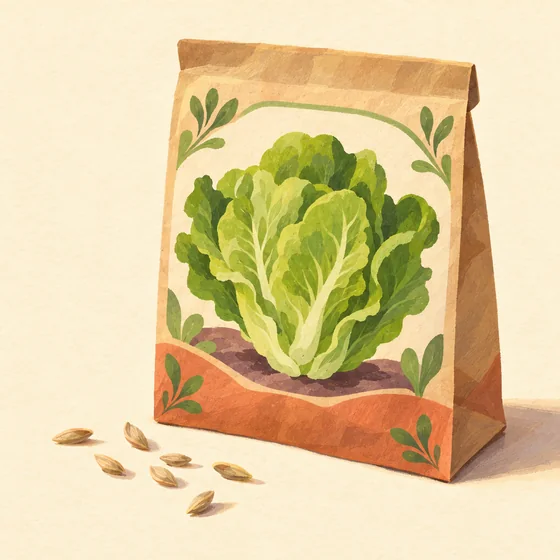 Black Seeded Simpson
Picking notes
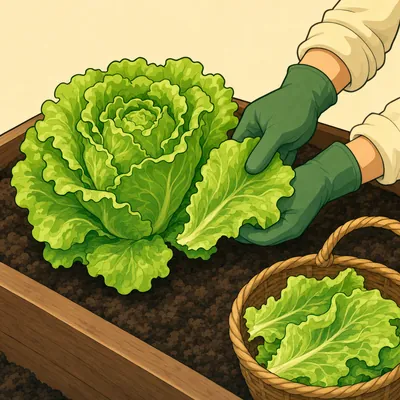
Pick outer leaves from loose-leaf types, or cut the whole plant an inch above the soil to let it regrow. Harvest heads when firm. Morning-picked leaves are crispest.
Saving seed for next year
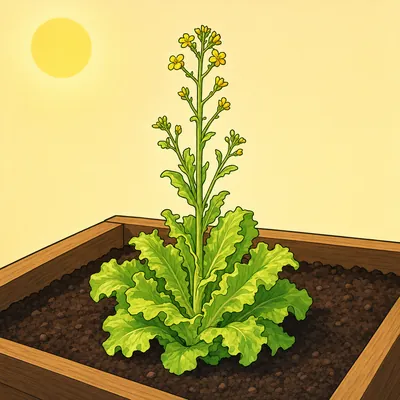
Let a few healthy, late-bolting plants flower. Collect the fluffy seed heads when dry. Lettuce mostly pollinates itself, but insects can still cross a small share of flowers, even between plants side by side. For seed you'll sow at home, keep different varieties about 10 to 25 feet apart; if you need it truly pure, give them more room or put a bed of another crop between them. More tips in saving seeds from your garden.
From garden to table
Lettuce is mostly water, but leafy types bring vitamin K, vitamin A, and folate. Romaine and darker leaf lettuces carry far more vitamin A than pale iceberg. Use it in salads, wraps, and sandwiches.
Questions from the potting bench
Why is my lettuce bitter? Heat, dry soil, or bolting. Grow it in cool weather and keep it watered.
Can I grow lettuce in summer? Yes, with afternoon shade and heat-tolerant types.
Can I grow it in pots? Yes. Leaf lettuce is happy in a pot 6 to 8 inches deep; romaine and heading types do better with 10 to 12 inches. Make sure the pot drains well.
Grower reports
How did Lettuce do in your garden? Members rate it and say which zone and month they planted, so everyone can see what works near them.
Recent community discussions
No one has talked about Lettuce yet. Be the first.
Seeds to try
Affiliate links — shopping through these helps keep Evening Vines free.Essentials for Growing Lettuce
 Grow Bags
Breathable fabric pots: grow almost anything on a patio, balcony or driveway, and roots never circle.
See it →
 Frost Cloth
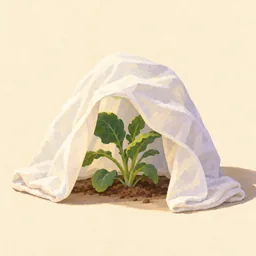
Throw it over young plants on cold spring and fall nights.
See it →
 Seed Starting Tray
Reusable tray with a clear dome to give seeds a warm, humid start indoors.
See it →
 Watering Can
Long-spout can for gentle watering of seedlings and pots.
See it →
 Plant Labels
Waterproof markers so you know what's coming up where.
See it →
 Organic Fertilizer
Slow-release organic plant food for vegetable beds and containers.
See it →
